How All The Bitter is Building ANA Consumer Understanding Through a Zero-Proof Market & Lounge
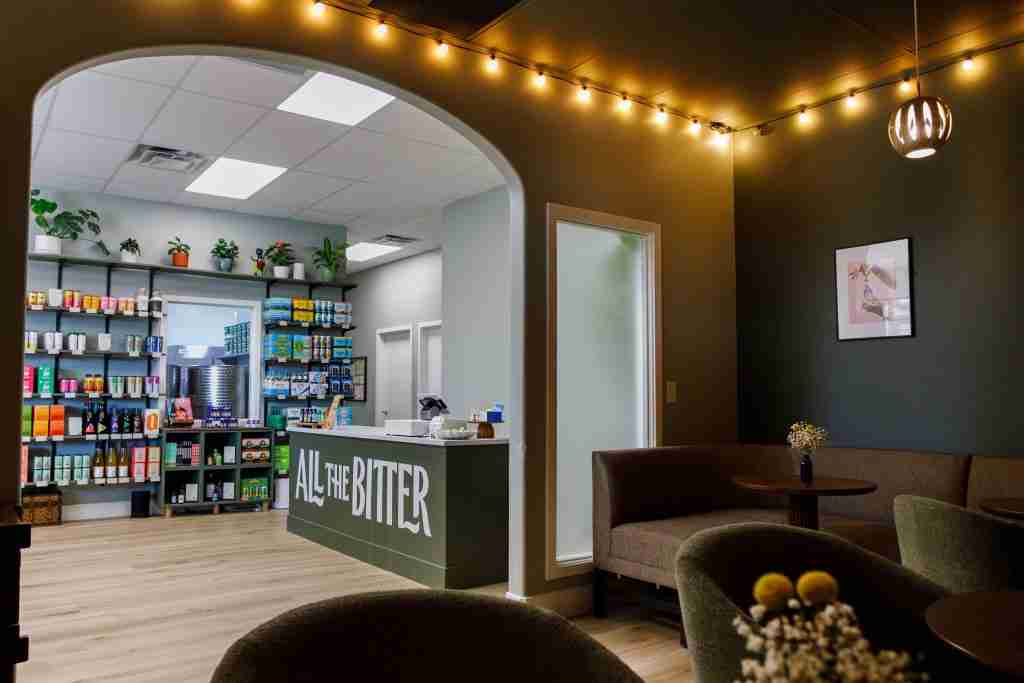
The biggest barrier to ANA beverage growth isn’t product quality anymore – it’s education. When consumers walk into stores thinking ANA cocktails are “just juice” or wonder why a mocktail costs $15, they’re revealing a knowledge gap that’s costing the entire category potential customers. Ian Blessing, Founder of All The Bitter, decided to tackle this problem head-on by opening All The Bitter’s Zero-Proof Market & Lounge – a physical education venue where customers can experience proper serves, taste flights, and learn why the category deserves their attention.
“We want to be able to educate people in this space as soon as they walk in – show people how to use bitters and show people how to make great non-alcoholic cocktails,” Ian told me during our conversation. The urgency behind this investment is real: “We’re losing people every day who are tasting things and are turned off by what they’ve tasted.”
Why a Physical Education Space

All The Bitter built their reputation as a small handcrafted 0% alcohol cocktail bitter brand, making products in small batches from whole organic plants, hand-ground spices, and hand-peeled citrus. But Ian recognized that selling bottles with basic instructions wasn’t creating the understanding the category needed.
“Being able to make somebody a great cocktail and serve it to them the right way, made the right way with the right recipe, garnished the right way, in the right glassware with the right ice cube, is a much better experience than just selling people a bottle and telling them to kind of go on their way and take it home,” Ian explains.
The lounge addresses a fundamental challenge: most people walking through their doors have never experienced these products properly prepared. For ANA wines, for example, this means pouring flights of five great wines side by side, taking time to explain where they’re from, how they were made, what makes them special, and what they taste like – giving customers the full tasting room experience rather than blind experimentation.
Confronting the “Juice” Misconception
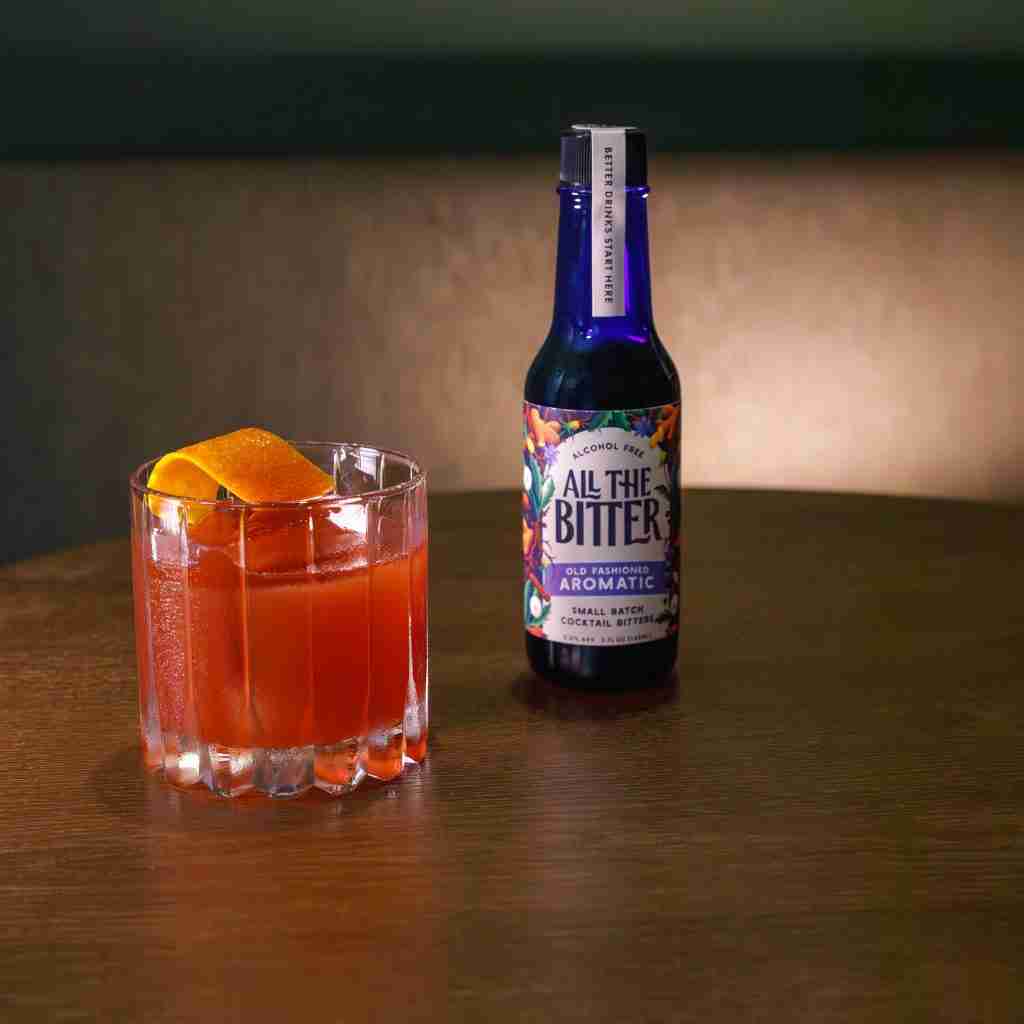
The most revealing part of running the lounge has been hearing all the questions customers ask. “The most common question is, what’s good, and how do I use it,” Ian says. But it’s the next most common question that exposes the education gap: “So this is juice?”
“If you look at our menu or you look at any proper non-alcoholic cocktail, there’s no more juice in it than there is any other standard cocktail menu,” Ian explains. “We’ve just replaced the spirits with non-alcoholic spirits. We’re serving margaritas, lemon drops, mules, old fashioneds, and negronis. We’re serving classic cocktails.”
In fact, their menu contains less juice than typical restaurant cocktail menus. And the calorie assumption is equally off-base: “In terms of calories it’s 50% to 60% less calories than a standard alcoholic cocktail, because non-alcoholic spirits don’t have any calories in them by and large.”
The lounge provides the space to address these misconceptions directly, showing customers what’s actually in their drinks and why ANA cocktails deserve to be priced comparably to their alcoholic counterparts.
The Veggie Burger Framework
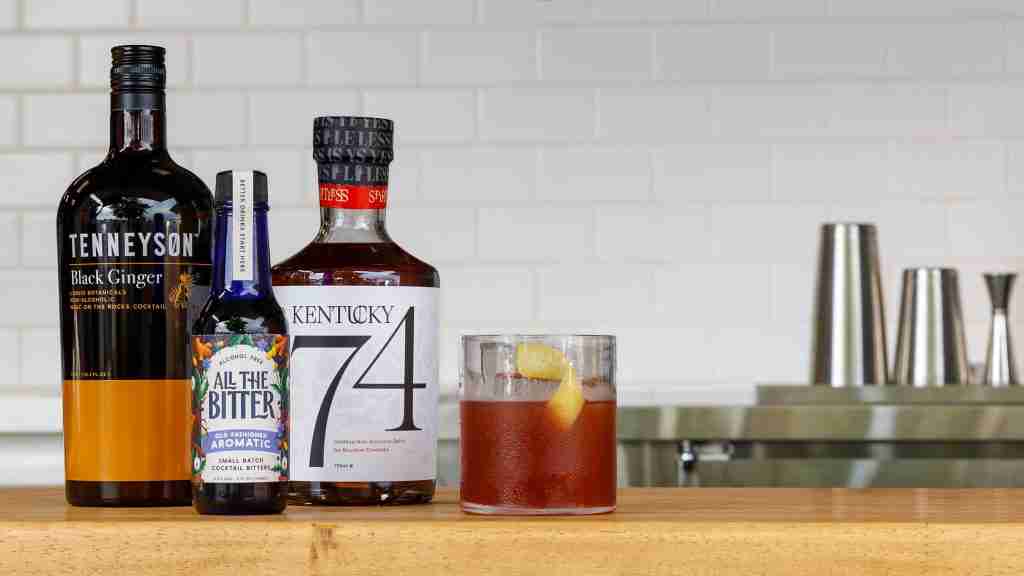
Ian uses an analogy that resonates immediately: “Here’s a good way to think about it – we don’t eat veggie burgers straight with a fork and a knife. You put them on a bun with ketchup and lettuce and tomato and onion and pickles. The lettuce gives you crunch, the tomato gives you brightness, the condiments give you acid. All of those components come together to make a satisfying meal.”
This framework helps customers understand why ANA spirits need to be mixed properly, why the supporting ingredients matter, and why the total cocktail experience justifies the price point. “Making non-alcoholic cocktails is very much the same thing,” Ian notes, “and so giving people the right tools, the right recipes, but also the right ingredients to be able to fully make a satisfying cocktail is really important.”
From In-Store to Scaled Education
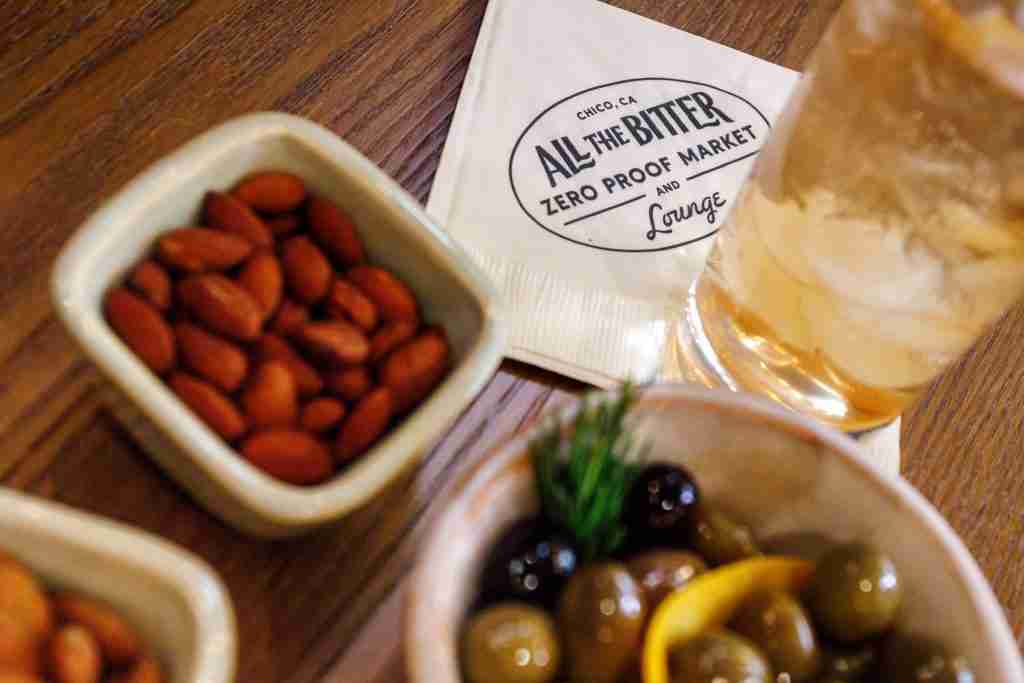
The immediate value of the lounge is clear – customers who walk through the door get hands-on education. But Ian sees the space as a content creation hub that can extend education far beyond their physical location.
“The challenge is doing that on a larger scale, and not just doing that with the people that are physically walking into our door here,” Ian explains. “Can we use this space to educate on a broader level? Can we use this space to help drive content and education on our website and social media, and magazine articles and interviews, and how can we use this space to help convey that message to the general public?”
The lounge becomes both a classroom for walk-in customers and a production facility for educational content that can reach the broader market—recipe videos, product comparisons, technique demonstrations, and myth-busting content that addresses the most common misconceptions.
Why This Matters for ANA Category Growth
The education gap Ian identified isn’t unique to bitters or cocktails – it affects the entire ANA beverage category. When consumers don’t understand what they’re buying, why it costs what it does, or how to use it properly, they’re more likely to have disappointing experiences that turn them away from the category entirely.
“We don’t understand why a mocktail costs $15, because they don’t understand what a non-alcoholic cocktail is, and that it’s not a mocktail—that it’s a drink made with a spirit that costs just as much to make,” Ian says. “I think we’re losing people because the education continues to lag.”
Physical education venues like All The Bitter’s Zero-Proof Market & Lounge provide a model for how brands can create understanding at the point of experience. By letting customers taste properly made drinks, see the ingredients that go into them, and learn the techniques that make them work, brands can turn skeptics into advocates.
The Long-Term Vision

Ian’s vision for the category mirrors the veggie burger evolution: “There’s not a single chain restaurant that doesn’t have a veggie burger option. I see ANA going the same way where you walk in and you’re like, that lemon drop looks really great. Can you make that with a non-alcoholic spirit?”
But getting there requires widespread understanding. “We’re not gonna get there unless we can convey more quickly what these things are and how they’re used and why they’re worth what we’re charging for them,” Ian emphasizes.
The Zero-Proof Market & Lounge represents the brand’s investment in building that understanding – not just for their own products, but for the category as a whole. When customers leave understanding that ANA cocktails aren’t juice-heavy, aren’t loaded with calories, and are made with the same craft and care as traditional cocktails, they become educated consumers who can advocate for the category wherever they go.
As Ian sees it, the pace of category adoption depends on how quickly the industry can educate: “What I see, as long as we can educate and we can keep those people captured – and that includes bartenders as well as the general public – is that we’ll see non-alcoholic cocktail menus in every bar and every restaurant, and we’ll see non-alcoholic spirit and drink sections in every retail and grocery store.”