How Free Spirits is Advancing ANA Spirit Quality Through Continuous Product Iteration
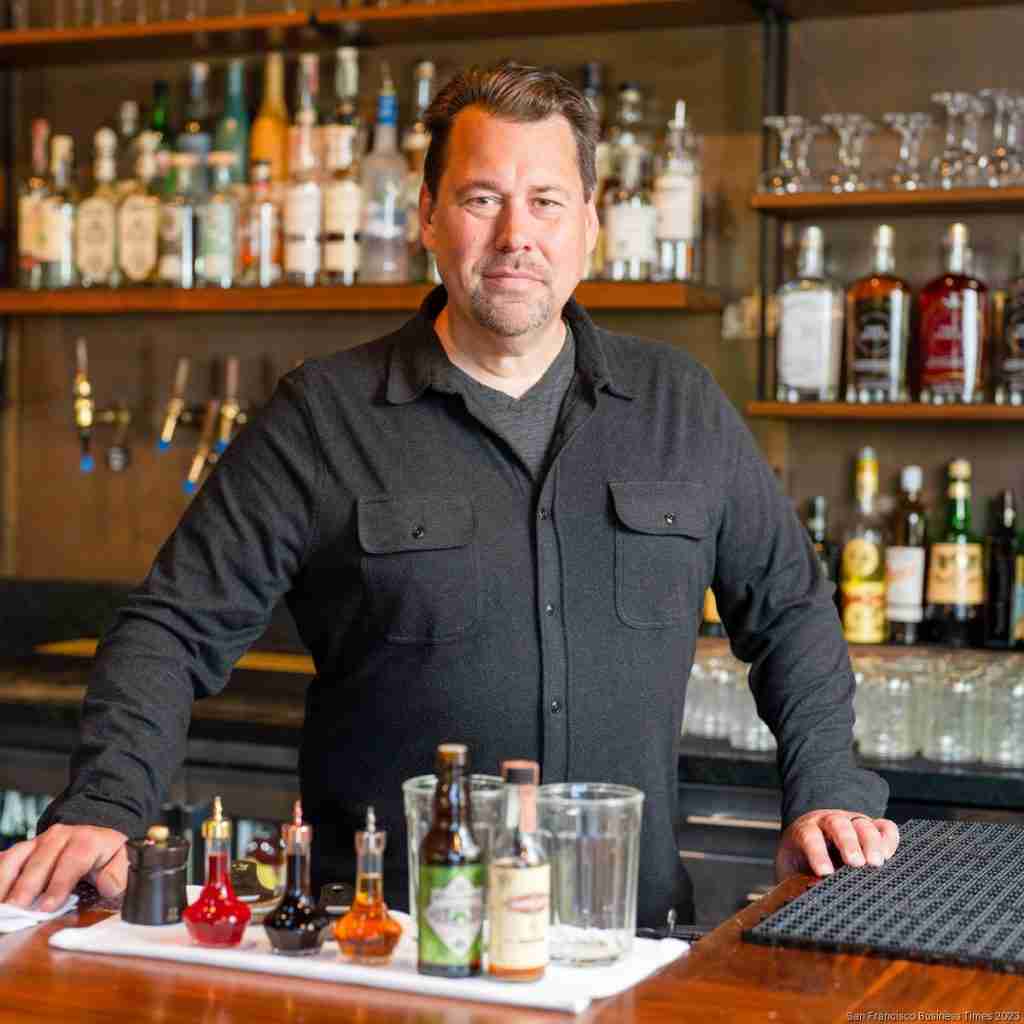
“We’re on version 25 of our Bourbon,” Milan Martin, Co-Founder of Free Spirits, told me during our conversation about their approach to product development. Most adult non-alcoholic spirit brands release a product and refine it over time. Free Spirits built their entire culture around the idea that whatever they’re making today will be surpassed by what they create tomorrow – treating beverage innovation like software development with continuous iteration and micro-improvements that compound into significant advancements.
This philosophy isn’t just about making their own products better. It’s about creating a business framework that helps elevate the quality standards across the entire ANA category – showing that iteration, not just innovation, drives meaningful progress.
Running Like a Software Company
When Milan describes their approach, he uses tech industry analogies. “Imagine if Google or Apple released their first product and just was like, ‘Well, that works,’ and there was never any innovation, never any iteration of software,” he explained. For Free Spirits, each product version is like a software release – version 1.0 proves the model, but the real work begins with 1.1, 1.2, and beyond.
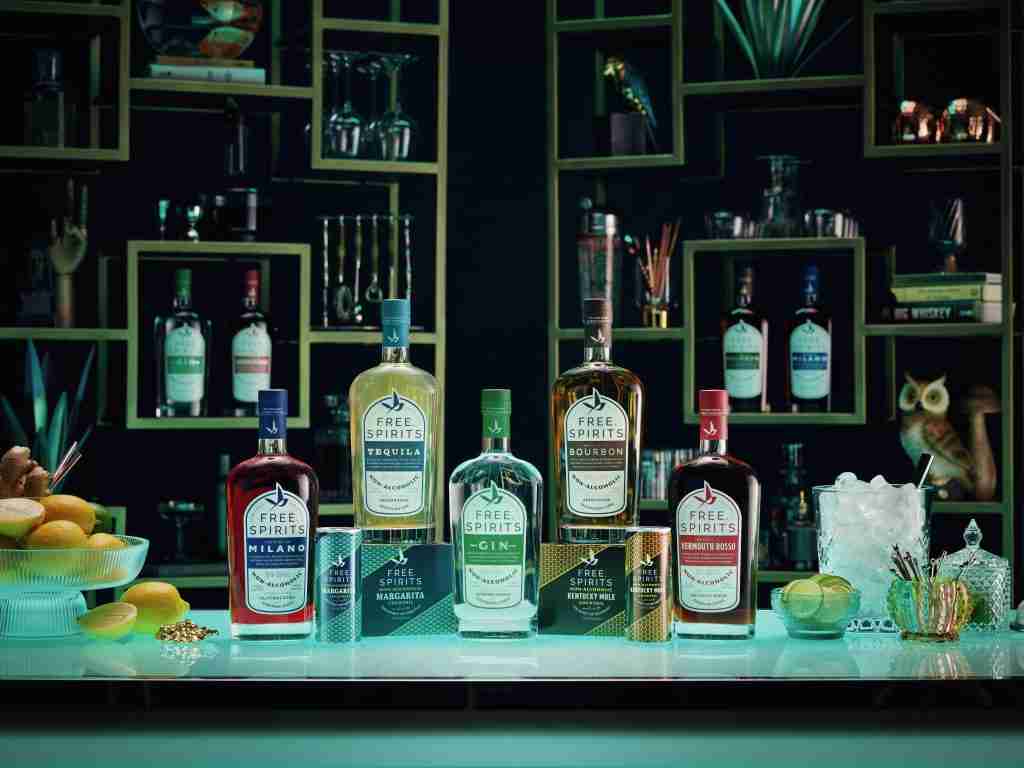
The company launched with bourbon, gin, and tequila expressions designed to replicate familiar spirits. “We’ve always taken the approach that we’ve replicated and created non-alcoholic expressions of the spirits that people know and love, largely because trying to retrain the world on how to drink a cocktail seemed like a little bit too zealous of a path,” Milan shared. Let people drink their gin and tonics, margaritas, and old fashioneds – Free Spirits would just be the tool enabling that without alcohol’s downsides.
But replication was just the starting point. What sets them apart is the relentless refinement that follows.
The Compound Interest Approach to Product Development
At the core of Free Spirits’ innovation culture is what Milan calls “micro-improvements” – a philosophy borrowed from compound interest. “It’s almost predicated on the idea of compound interest,” he told me. “Point 0.001% improvement every day over the course of a year is significant at the end of that year.”
This isn’t about dramatic breakthroughs. It’s about cultivating a team culture where everyone understands that today’s great product pales in comparison to what they’ll create next month or next year. “Both in terms of our products and our processes and how we operate and work as a team, it’s just kind of become a really nice part of our culture,” Milan explained. “We’re never satisfied, largely because we’re humble enough to know that there’s so much more improvement that can be made.”
They work closely with bartenders and industry professionals, gathering feedback on what works and what they’re hearing from consumers. Each piece of feedback becomes data for the next iteration. Version 25 of their bourbon isn’t just 25 times better than version 1 – it’s the accumulation of hundreds of small adjustments that compound into meaningful quality gains.
“Is it yet at a place where it can sit shoulder to shoulder with a Pappy Van Winkle and be a sipping bourbon? I don’t know. Some people think so. A lot of people don’t think so,” Milan acknowledged. “But maybe that’s our north star. How do we use that as a big, gnarly goal to work towards that may never be totally achieved? But we’re always going to continue to try to achieve it.”
Beyond Flavor: Three-Dimensional Innovation
This continuous iteration philosophy led Free Spirits to recognize that creating compelling ANA spirits requires innovation across three distinct dimensions – not just one. “When you take a sip of bourbon or tequila, it is a very unique experience,” Milan explained. “The burn of alcohol, the feeling on your palate, the mouth feel, it’s just so wildly unique. It’s just such an experience.”
Most brands focus primarily on flavor. Free Spirits identified two additional innovation areas that matter just as much:
Experience Innovation: The physical sensation of drinking – the bite, the burn, the silkiness, the mouth feel that makes sipping bourbon or tequila distinctive. “Flavor is just one element to it,” Milan said. “When we talk about innovation, we talk about flavor, but we also talk about the experience of it, the mouth feel of it.”
Functional Innovation: The physiological impact beyond the sensory experience. Free Spirits infuses their liquids with vitamins B3, B6, and B12 – not as a gimmick, but addressing a real need for their target consumer. “When you drink, whether you’re zebra striping or whatever, alcohol depletes your body of B vitamins, which is one of the things that leads to hangovers,” Milan explained. “How do we help people who want to use our product in that way by infusing it with liquid that proactively replenishes what alcohol and life in general kind of depletes?”
This three-pronged approach – flavor, experience, and function – creates a more complete alternative to traditional spirits. And each dimension gets the same continuous iteration treatment.
Innovating the Burn: Next-Generation Mouthfeel Technology
The most concrete example of this multi-dimensional philosophy is Free Spirits’ upcoming innovation in experience – specifically, how they’re recreating the burn and mouth feel of alcohol. “Right now we are on the tail end of a process where we’ve innovated the bite and the burn and the mouth feel, the silkiness, that’ll probably launch in our bourbon in about a month’s time,” Milan told me during our conversation.
Currently, they use a combination of different spices to deliver the typical bite and burn consumers expect from bourbon. But they’re not satisfied with “typical” – they’re working to make it exceptional. This new formulation represents months of iteration and testing, applying that same compound interest approach to the sensory experience itself.
The innovation extends beyond just the initial hit. They’re working on the silkiness that comes from barrel aging in traditional bourbon – a quality that’s difficult to replicate without the wood interaction and time that alcohol-based spirits benefit from. Each iteration brings them closer to that shoulder-to-shoulder comparison with premium traditional bourbons.
The Functional Frontier
While Free Spirits has been infusing B vitamins into their products for some time, Milan sees significant opportunity in this functional dimension as the science advances. “I’m a little skeptical of a lot of the functionality in our category, but as more and more functionality gets quantified and verified, you can start to do some really fun things,” he explained.
The key word there is “verified.” Free Spirits isn’t chasing functional trends – they’re waiting for rigorous validation before incorporating new functional benefits. But once that verification exists, their continuous iteration framework allows them to quickly develop and test new formulations.
“You can start to do some really fun things with skews of some of people’s favorite products that start to deliver some real, real functional benefits,” Milan said. The same bourbon that tastes great and feels authentic could also provide targeted wellness benefits – as long as those benefits are real and measurable.
What This Means for the ANA Spirits Category

Free Spirits’ approach demonstrates that innovation in adult non-alcoholic spirits doesn’t require reinventing the cocktail – it requires relentless refinement of the spirits that go into familiar cocktails. By treating product development like software development, they’re demonstrating what’s possible when quality advancement becomes a continuous process rather than a one-time launch.
The three-dimensional innovation framework – flavor, experience, and function – shows industry professionals where meaningful category advancement is happening. Flavor alone won’t create the complete experience consumers expect. The physical sensation matters. The functional benefits matter. And the continuous improvement approach ensures products keep getting better.
For retailers and distributors, this approach builds confidence in the category’s trajectory. Products aren’t static – they’re evolving and improving consistently. For consumers, it means the ANA spirits they try today will likely be better than what they tried last year, creating a reason to revisit and reassess the category periodically.
“It sounds a little machismo, and I don’t mean it like that,” Milan said about their never-satisfied culture. “It’s just more like, hey, we’re never satisfied, largely because we’re humble enough to know that there’s so much more improvement that can be made.”
That humility, paired with relentless execution, is advancing quality standards across the entire adult non-alcoholic spirits category – one micro-improvement at a time.