How Mocktail Club is Expanding Category Growth Through Non-Analog Beverages
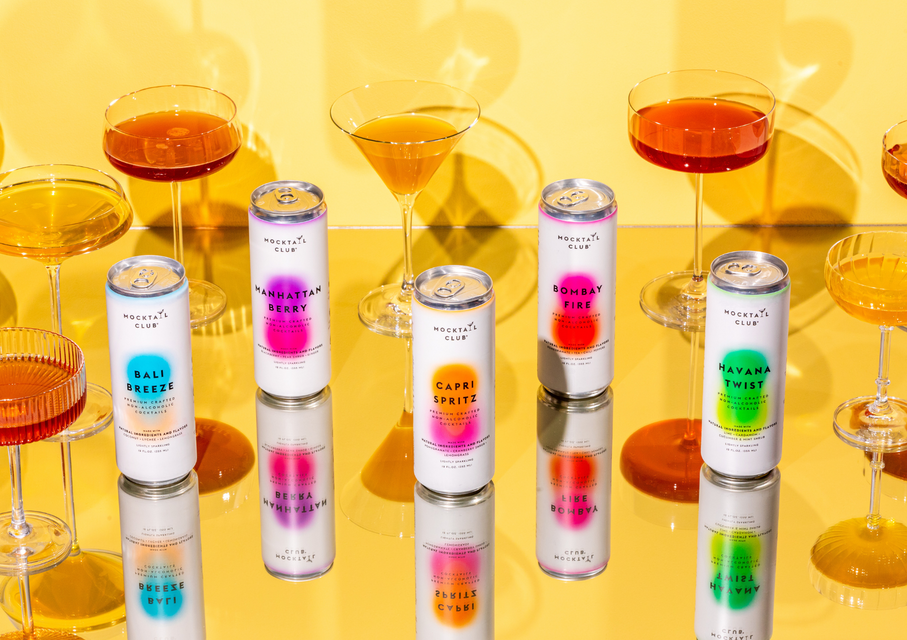
Many brands in the adult non-alcoholic space focus on creating non-alcoholic versions of drinks customers are familiar with, such as whiskey, wine, or gin. Mocktail Club founder Pauline Idogho took a different approach: she created globally inspired flavor profiles with no alcoholic analog at all. The reason? She recognized that consumers who are cutting back or cutting out alcohol completely often don’t want something that tastes exactly like the thing they’re trying to moderate or avoid.
Recognizing the Missing Category Space
When Pauline Idogho looked at the adult non-alcoholic beverage category, she saw an opportunity that many brands were overlooking. While alcohol-replica products were attracting significant attention and investment, there was a growing consumer need that these products weren’t addressing.
“I thought creating an elevated experience was missing when I came into the category,” Pauline told me during our conversation. Her vision was to balance “tart, savory, sweet and bitter notes to create that elevated experience” using globally inspired flavor profiles rather than trying to replicate specific alcoholic beverages.
The decision to avoid alcohol analogs wasn’t just about product differentiation – it was about recognizing who was actually buying adult non-alcoholic beverages and what they were really looking for.
Understanding Two Distinct Consumer Segments
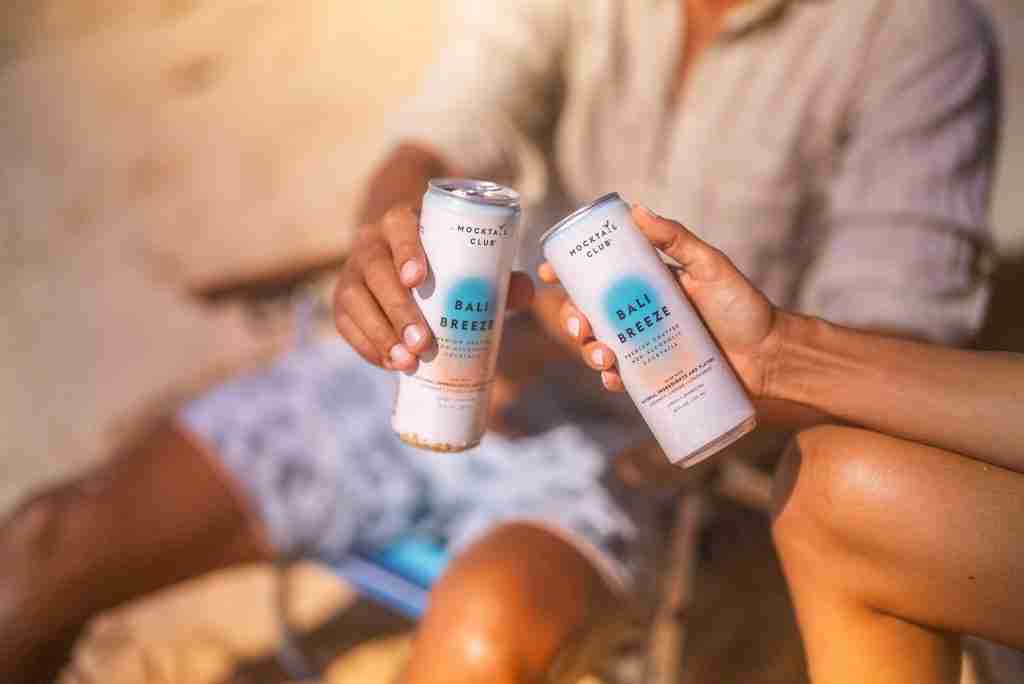
Pauline’s approach came from recognizing that the adult non-alcoholic category serves two consumer groups with seemingly opposite needs – but both benefit from non-analog options.
The first group: moderation drinkers. “The category has a lot of consumers who still drink full strength, so they can still drink the alcohol cocktail,” Pauline notes. These consumers haven’t eliminated alcohol – they’re consciously choosing when and how much to drink. For them, “being able to have something that’s non-alcoholic that meets the moment is something that they’re looking for, and not necessarily a replica, since some of these people are still drinking alcohol.”
The second group: consumers who have eliminated alcohol entirely. “There are some people who have decided to cut alcohol altogether, and they don’t necessarily want to drink something that is very reminiscent of alcohol as well,” she explains.
Both segments want elevated beverage experiences, but neither necessarily wants their ANA option to taste exactly like the alcoholic drink they’re either consciously moderating or have chosen to avoid entirely.
Creating Delight Without Alcohol Reference Points
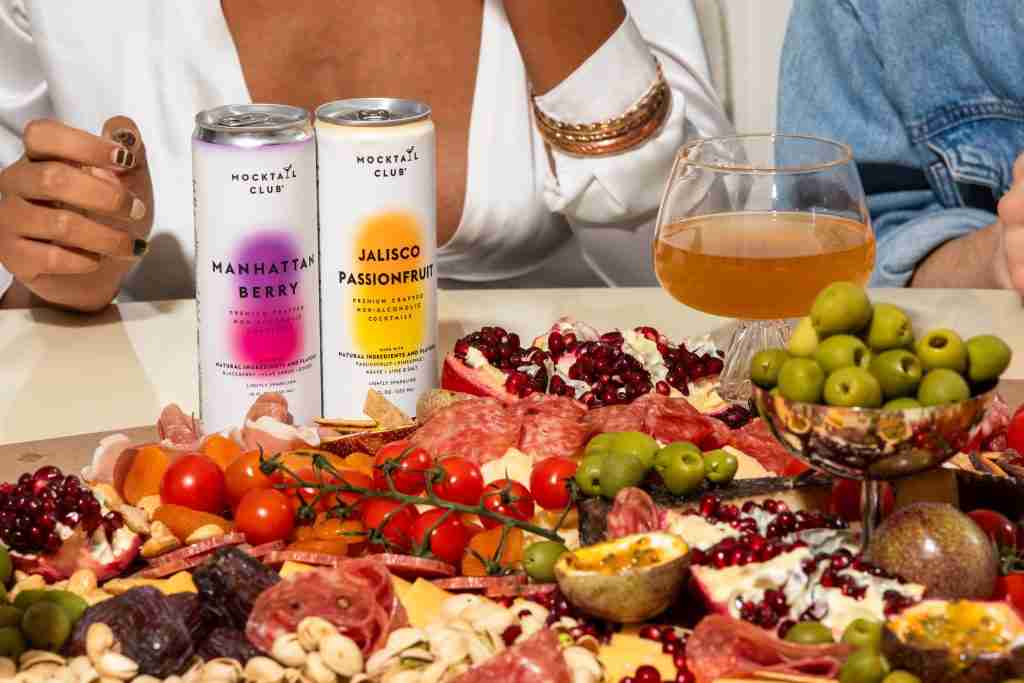
The opportunity Pauline identified in non-analog beverages is “creating this delight and new modern experience for the consumer.” Without an alcoholic analog, “there is no anchor to what it’s supposed to taste like, so the curiosity and that new experience from a destination and flavor profile is great to bring in.”
This approach gave Mocktail Club something to own in the market. “It’s a space that we can own in terms of using innovative global flavors,” Pauline says. Each of Mocktail Club’s beverages – drawing from her background traveling to more than 30 countries for work with the World Bank and global energy companies – represents “a rounded experience of a destination.”
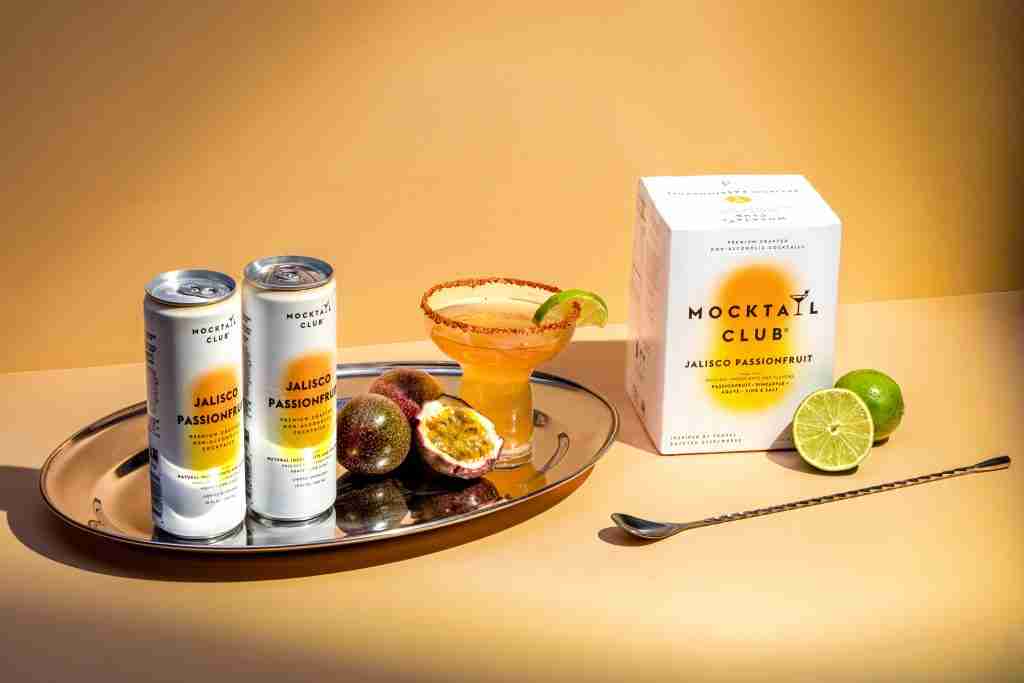
The product lineup includes flavors like Bombay Fire, a spicy profile that “was a little more different than the others” and helped “round out 4 different distinct flavors” for their retail launch. They recently launched their new flavor, Jalisco Passionfruit, a vibrant blend of passionfruit, pineapple, agave, lime, and a touch of salt inspired by the sunlit spirit and bright flavors of Mexico’s Jalisco region.
The focus on global inspiration rather than cocktail replication creates consumer curiosity about flavor experiences rather than comparison to familiar alcoholic drinks.
Navigating the Communication Challenge
While non-analog positioning creates opportunity, it also presents a specific challenge: how do you set accurate flavor expectations without an alcoholic reference point that consumers already know?
“I would say the challenge isn’t necessarily education, but rather from a packaging and messaging standpoint being very clear of what that experience will be,” Pauline explains. The solution is ensuring consistency across all consumer touchpoints: “making sure that whether it’s the name, the ingredients that are highlighted, or the flavor cues match the experience.”
This precision in communication matters because without an anchor like “tastes like a gin and tonic” or “non-alcoholic margarita,” the brand needs to paint a clear picture of what consumers will actually taste. The destination-inspired naming and flavor cue communication helps set expectations for the globally inspired profiles.
Expanding the Category’s Addressable Market
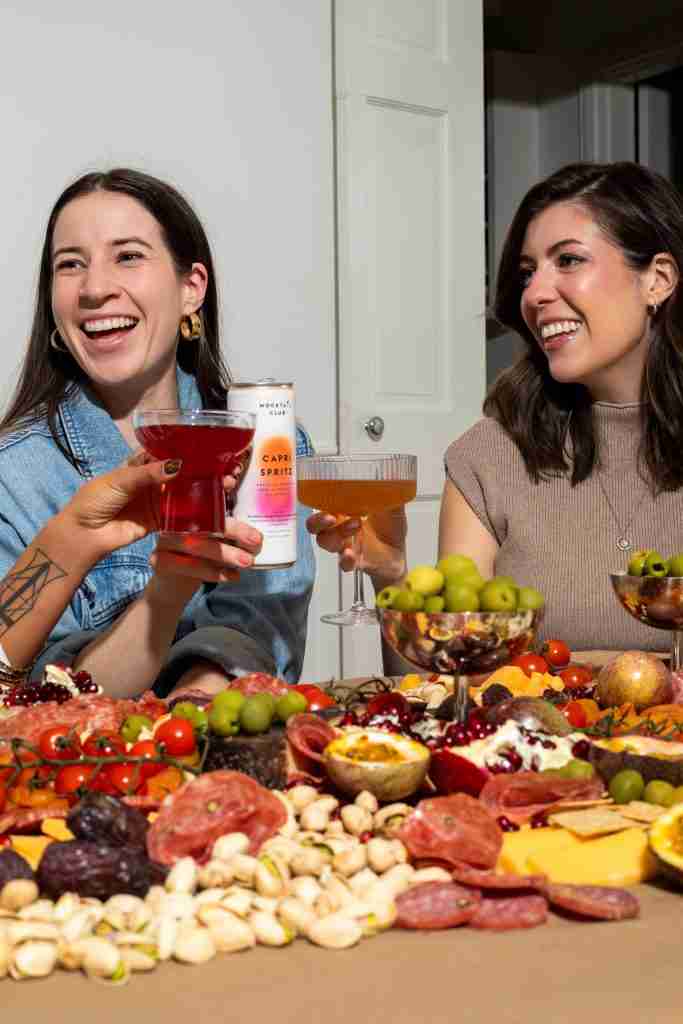
Pauline’s recognition that non-analog beverages serve both moderation and alcohol-free consumers points to an important growth opportunity. “The category is growing, and it’s not monolithic in terms of taste,” she emphasizes.
By creating options that don’t replicate alcohol, brands like Mocktail Club can reach consumers who might be underserved by alcohol-analog products. Moderation drinkers get sophisticated options for the occasions when they’re choosing not to drink, without the cognitive dissonance of drinking something designed to taste exactly like what they’re intentionally passing up. Consumers who have eliminated alcohol get elevated beverage experiences without constant reminders of what they’ve eliminated from their lives.
“Just being able to have these options in the market is great, and it brings more choice and more people to the shelves,” Pauline notes. This expansion of choice doesn’t compete with alcohol-analog products – it complements them by addressing different consumer needs and occasions.
The ANA Category Expansion Opportunity
Mocktail Club’s non-analog approach demonstrates how brands are expanding the adult non-alcoholic category’s appeal by recognizing and serving diverse consumer needs. Rather than assuming all ANA beverage consumers want alcohol replicas, Pauline identified that many consumers – whether they’re moderating alcohol intake or have eliminated it entirely – often prefer experiences that stand on their own.
This positioning is createing value for the broader ANA category ecosystem. Retailers benefit from offering distinct choices that appeal to different consumer motivations. The variety helps demonstrate category breadth to buyers who might otherwise see adult non-alcoholic as one-dimensional. Distributors can present portfolios that address multiple consumer occasions rather than just alcohol replacement.
As the ANA category continues growing beyond early adopters, brands like Mocktail Club that create space for consumers who don’t want alcohol analogs help ensure that adult non-alcoholic beverage offerings reflect the actual diversity of consumer needs and preferences in the market.
Future Flavor Innovation and Mission-Driven Growth

Looking forward, Mocktail Club plans to “continue to use this global landscape as our muse to build new flavor profiles and expand our offering.” The destination-inspired approach provides essentially unlimited room for innovation while maintaining the non-analog positioning that serves their diverse consumer base.
The brand is also “focused on creating this great brand and great company that cares about sustainability, that’s also mission driven, that continues to give 1% to clean water access globally.” This values-driven approach aligns with consumer expectations in the adult non-alcoholic category, where purpose often matters alongside product quality.