How Sovi Wine Co. is Building Premium ANA Wine Through Single-Estate Sourcing and Brand Evolution

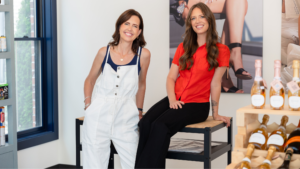
When Sovi Wine Co. launched its first adult non-alcoholic wine in 2020, Co-Founder Julia Littauer made a decision that most new brands skip – she contracted directly with a single vineyard to grow grapes specifically for dealcoholization. “We wanted it to taste like the actual wine,” she told me during our conversation. “And if you’re starting with a subpar wine that isn’t really fit for dealcoholization, the easiest way to make it taste good is to add a lot of sugar and flavors.”
That choice – to control the process from the ground up rather than take the faster, cheaper route – has shaped everything about how Sovi operates. And five years in, it forced the company to confront something unexpected: a gap between the serious wine they were making and the approachable brand they had built around it.
Starting With the Grapes, Not the Label
There is a well-worn path for launching an ANA wine brand. Buy finished lots of wine on the bulk market – wine that a winery is selling off because it didn’t fit their program or meet their quality standards – then send it through dealcoholization and bottle it. It is faster, cheaper, and requires far less commitment.
Littauer, a Certified Sommelier who trained under a Master Sommelier in New York City, chose a different approach. Sovi partners with a single family-owned estate – Herringer Estates in Clarksburg, California, just south of Sacramento – and contracts the grape growing and winemaking directly. Every decision along the way, from when the grapes are picked to what methods are used in the winery, is made with dealcoholization as the end goal.
“We specifically contract the grape growing and winemaking in order to control what the wine tastes like, to the best of our abilities, because we find that that makes a better end product,” Littauer explained. The relationship with Herringer Estates has been in place since Sovi’s first release – the company has never sourced from anyone else.
Why the Process Matters More Than the Shortcut
The distinction between buying bulk wine and contracting directly matters because dealcoholization changes wine. Sovi uses a process called vacuum distillation – sometimes referred to as spinning cone technology – which gently boils off the alcohol in a vacuum environment. Lowering the boiling point helps preserve more of the wine’s original flavors and aromas, but the base wine still needs to be built for this purpose.
When a brand starts with wine that was never intended for dealcoholization, the result often needs help. Sugar and flavors get added to compensate for what was lost. Sovi’s approach eliminates that need entirely. The company adds no natural or artificial flavors and keeps its wines as dry as possible – qualities that Littauer traces directly back to what happens in the vineyard and winery before the alcohol is ever removed.
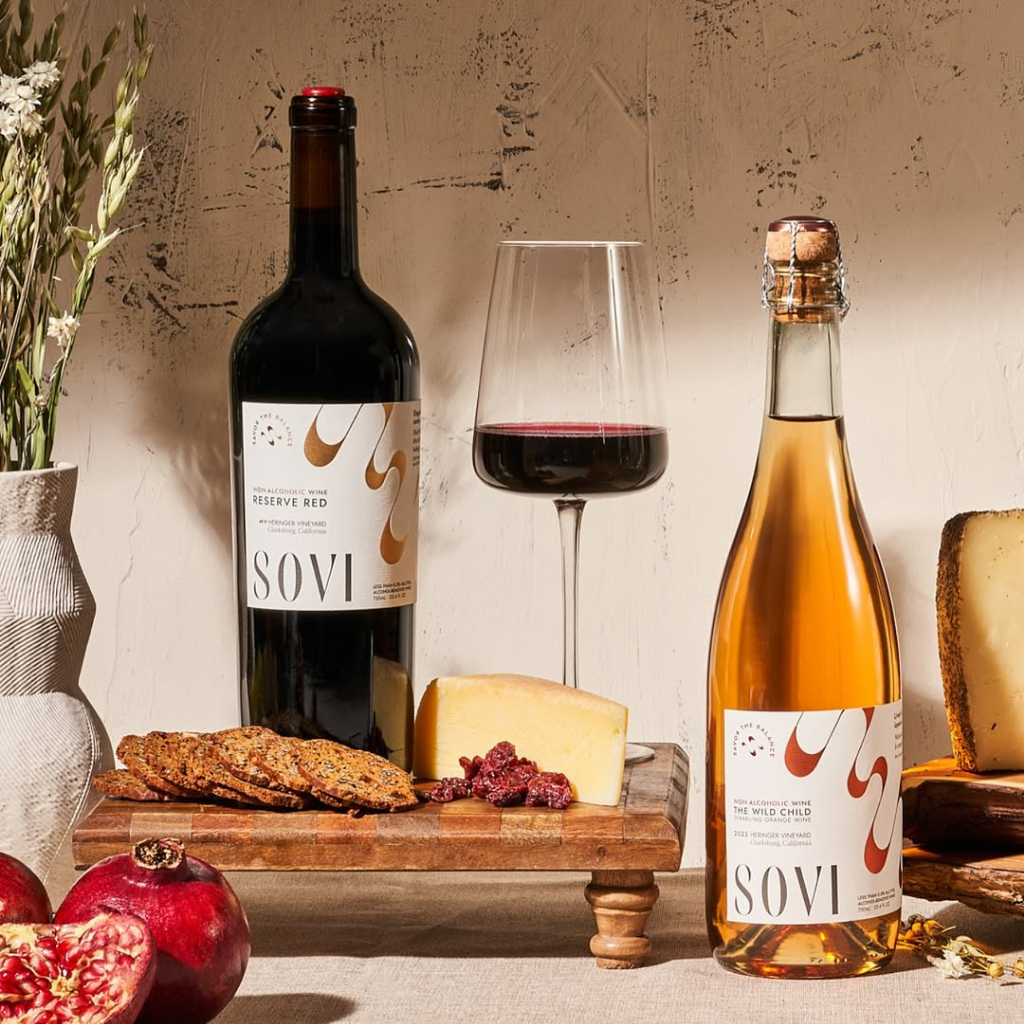
This approach also means Sovi produces its wines on a vintage basis, adjusting blends year to year based on how individual grape lots turn out. Their sparkling rosé, for example, started as 100% Tempranillo and has since evolved to include Pinot Noir in the blend. “Different years, we will change up the blend based on what grapes are available from our winery partner each year, but also what’s tasting good,” Littauer shared. It is the kind of hands-on, harvest-to-harvest winemaking that is common in traditional wine production but still unusual in the ANA space.
The Economics of Doing It the Hard Way
None of this comes cheap. Littauer was straightforward about the cost realities. Dealcoholization itself adds roughly 40% to the price of a comparable wine because the process removes volume and carries its own production fees. On top of that, Sovi pays more for its grapes and winemaking than it would if it sourced from the bulk market.
“Our grapes and wine cost us more than a lot of wines that we might be able to find on the market,” she said. “We’re willing to pay the market price for these wines because we think that they make a better product.”
The Clarksburg growing region, while not carrying the price tag of Napa Valley proper, produces grapes that the Sovi team believes are particularly well suited for ANA wine. It is a deliberate trade-off – paying a premium for sourcing that gives them the control and consistency they need, while keeping the final product accessible compared to what Napa-sourced grapes would demand.
When the Inside Outgrew the Outside
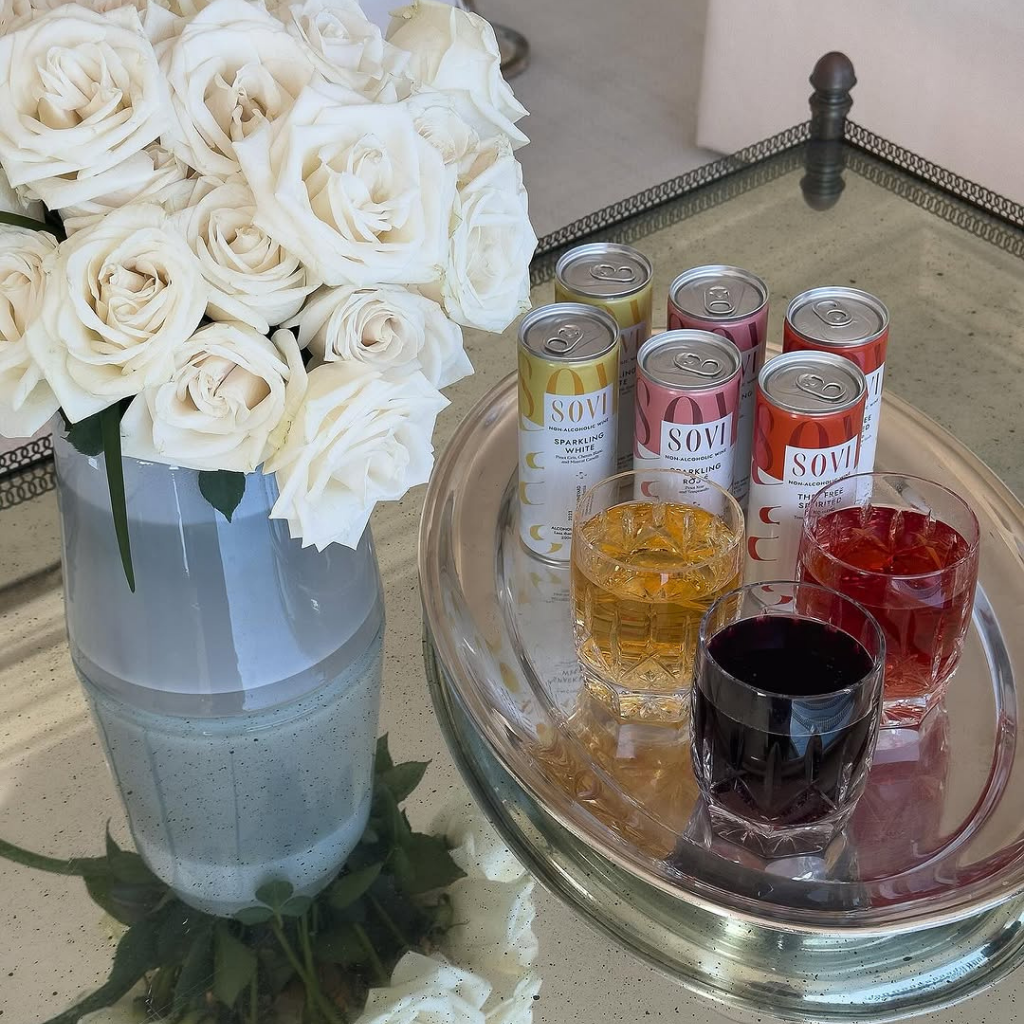
For the first several years, Sovi’s branding reflected the market they launched into. In 2020, the ANA wine category was small – a handful of legacy brands that had been around for decades and very few new entrants. Littauer and her husband, Co-Founder Alex Littauer (a DipWSET holder), wanted something that felt fun and approachable, not stuffy.
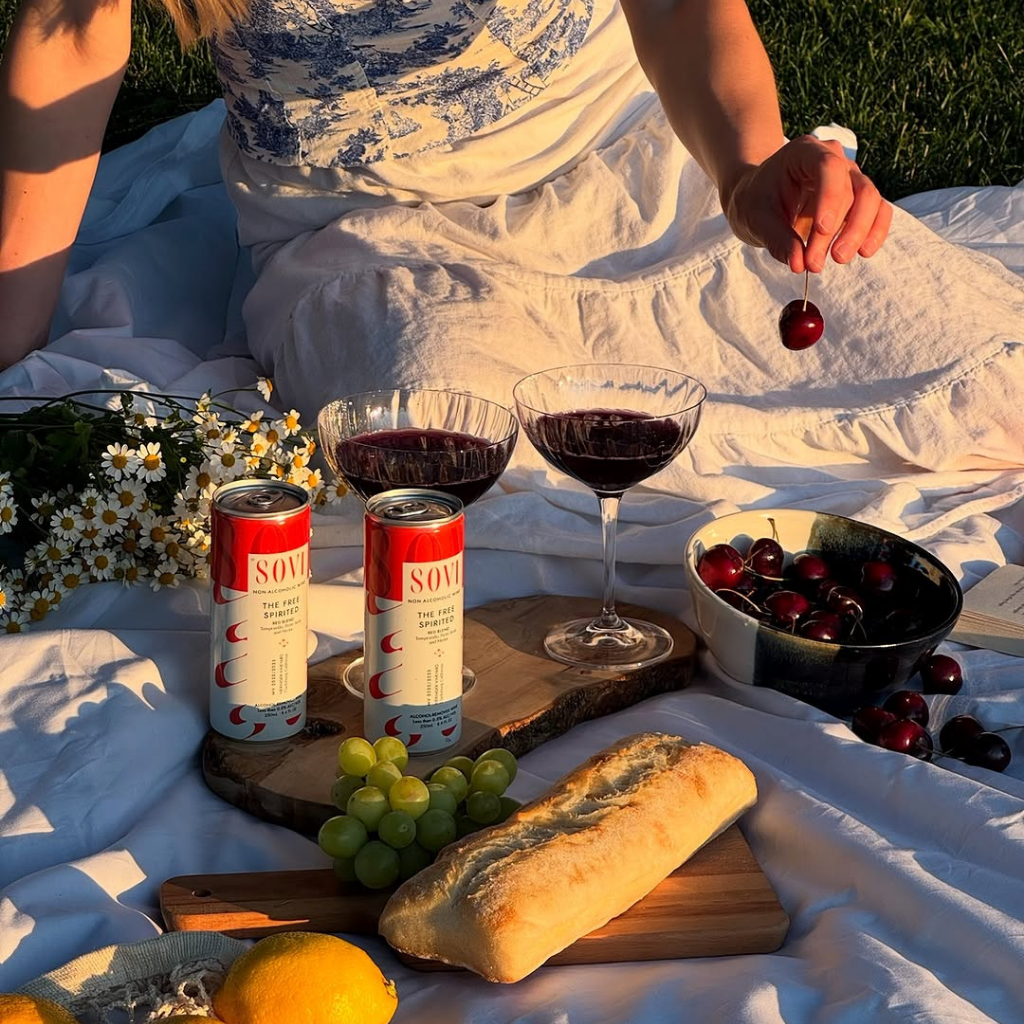
Cans were a deliberate first format choice. “One of the reasons was for that kind of approachability, so that you could feel like the setting was almost like drinking it alongside someone who’s drinking a non-alcoholic beer,” Littauer said. At the time, ANA beer was further along than ANA wine, and the can format helped bridge that gap in consumer comfort.
But as the company grew, a disconnect emerged. Everything Sovi was doing internally – the single-estate sourcing, the vintage production, the no-added-flavors commitment – remained genuinely uncommon in the category. These weren’t just talking points; they were real operational choices that cost more and required more effort. The brand identity, however, wasn’t communicating any of that.
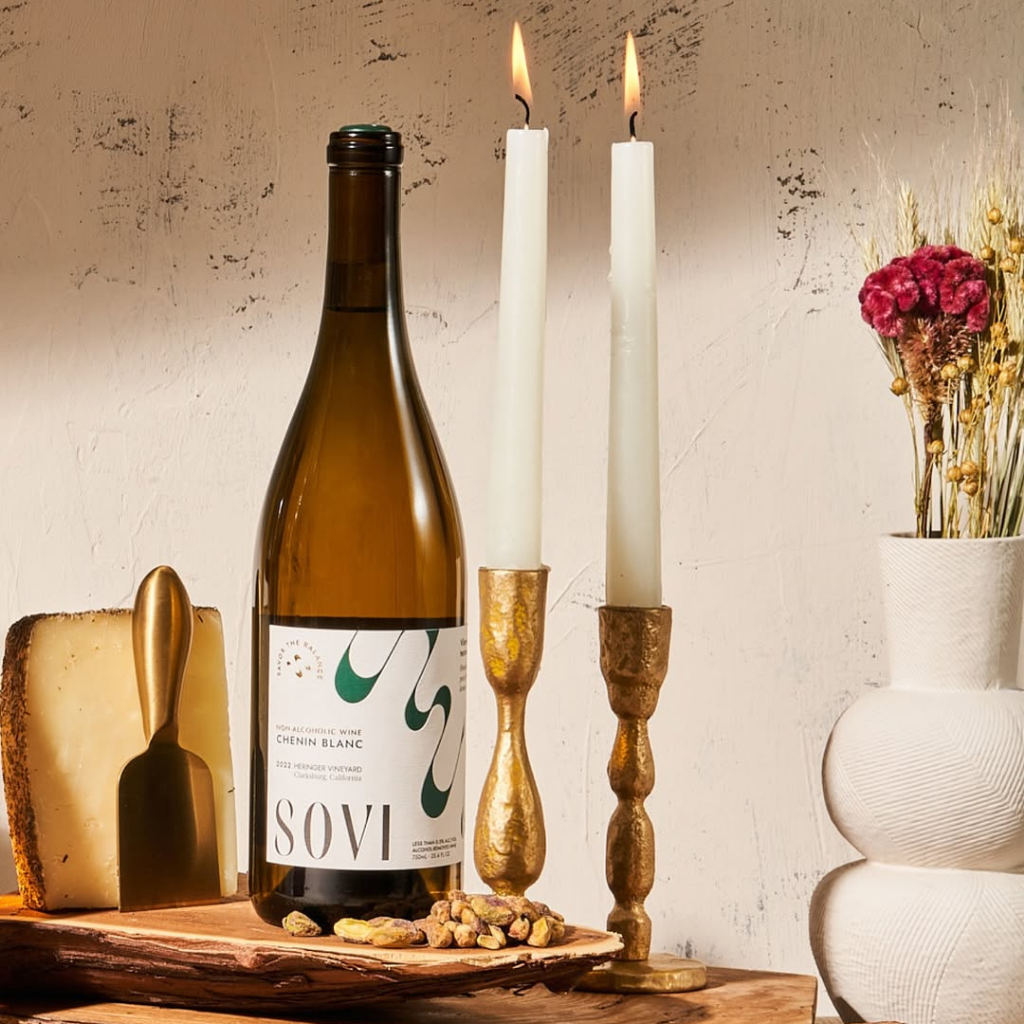
“Everything we were doing and thinking internally really needed to match the brand externally,” Littauer explained. The question from retailers and consumers was direct: if the quality justified a higher price, the packaging needed to reflect that. Sovi went through a full rebrand, and the company now offers a reserve line in bottle format – including a reserve red priced above $40, a price point Littauer said she never would have thought possible when they started in 2020.
What This Means for ANA Wine’s Growth
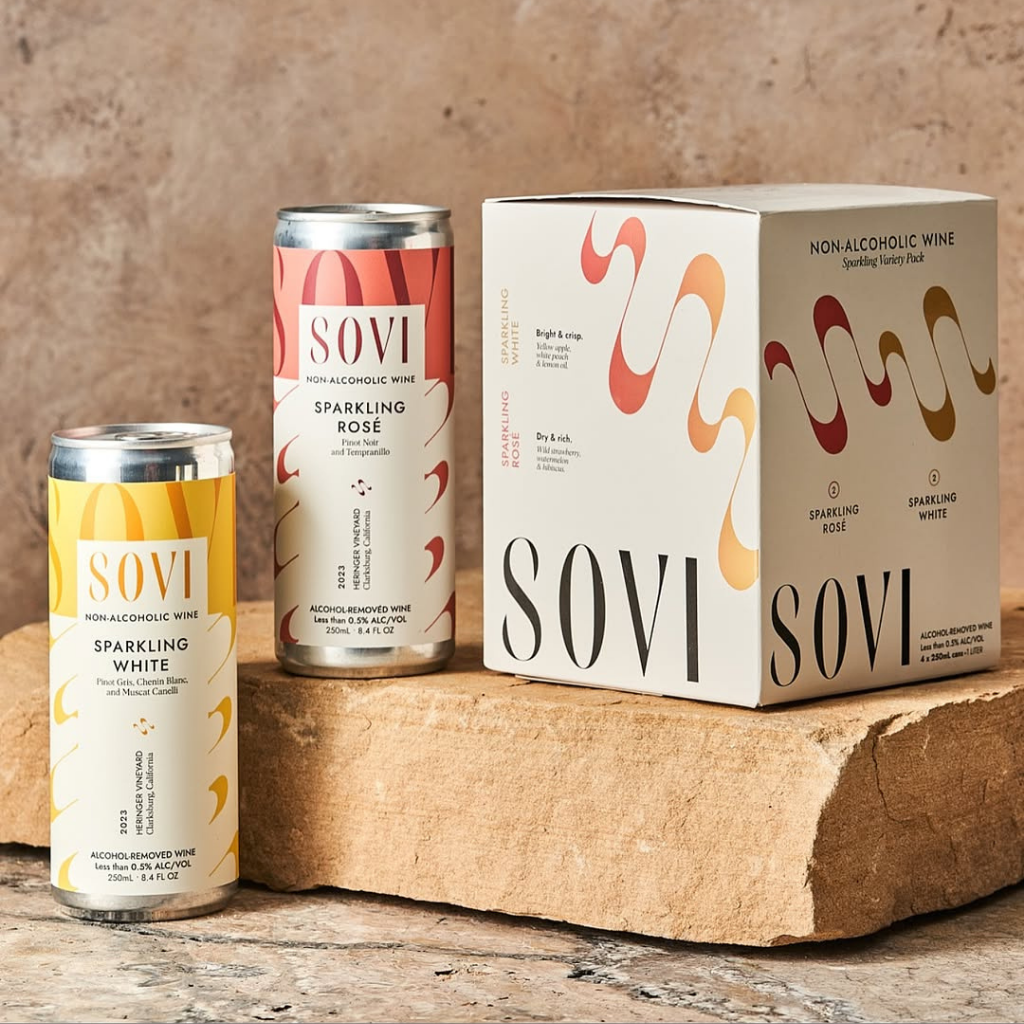
Sovi’s trajectory from approachable cans to premium bottles tells a broader story about where the ANA wine category is heading. The fact that a $40+ ANA wine can exist in today’s market – and that retailers and consumers are responding to it – signals something important for anyone watching this space. Sovi currently sells mainly through independent restaurants and retailers across the country, and Littauer sees continued growth in that channel as the priority.
“We’re really happy with our current portfolio,” she said, noting the possibility of limited-edition bottlings in the future if their winery partner has a particularly interesting lot available. The focus remains on growing the existing lineup – six wines across can and bottle formats – into more of the independent retailers and restaurants that are looking for a higher-quality ANA wine option to offer their customers.
For an industry still working to establish ANA wine as a serious category, Sovi’s story offers a useful proof point: quality decisions made at the sourcing level can create products that earn premium positioning – and a market that is ready to pay for it.