The Wine Company is Building Distributor Infrastructure for Adult Non-Alcoholic Beverages

When a 40-year-old wine and spirits distributor sees the beverage landscape changing, the traditional response is to protect the core business. The Wine Company in Minnesota took a different approach.
Three years ago, Dana Bonelli, Portfolio Director at The Wine Company, and her team made a strategic decision that would reshape their business and their market. Rather than viewing the rise of adult non-alcoholic beverages as a threat to their established wine and spirits distribution, they chose to lean into it as an opportunity. What started as “dipping a toe in the water” with a local shrubs producer evolved into a full-scale infrastructure investment that has positioned them as category leaders in their market.
The transformation didn’t happen overnight, and it wasn’t driven by a single master plan. But by mid-2023, The Wine Company committed to building a dedicated adult non-alcoholic portfolio – a decision that would create accessible pathways for ANA brands to reach retailers and restaurants across Minnesota.
Starting With What They Knew
The journey began organically in January 2022, when The Wine Company brought in their first product – shrubs from a local producer who was also a bartender influencing beverage programs across the market. “We brought in a vendor, 3 years ago, this time of year, local vendor who was producing shrubs,” Dana told me during our conversation. “This gentleman was also a local bartender who was having an impact on a lot of beverage programs.”
The timing was fortunate. Connor Green, one of their spirits specialists, had recently moved to Minnesota from Colorado, where he’d worked behind the bar with progressive programs focused on adult non-alcoholic bartending. Connor recognized how products like shrubs could expand their presence on beverage lists, opening the team’s eyes to broader possibilities in the category.
That initial product wasn’t positioned as a standalone beverage but as a modifier for cocktails – a bridge between their existing spirits business and the emerging ANA category. It gave them a safe entry point to test the market without abandoning their core expertise.
Recognizing the Opportunity

By mid-2022, The Wine Company began looking around the market more systematically. “We started looking around the market, and it was clear that things were changing,” Dana explained. “So instead of seeing those changes as a threat to our business, we decided to lean into adult non-alcoholic as an opportunity.”
The team conducted extensive field research, talking directly with retailers and restaurant owners to gauge their interest. They analyzed the competitive landscape, studying both traditional brands that had been in the ANA category for years and newer brands emerging online. Their progressive beverage market and excellent food scene provided natural advantages – several local producers were already building businesses direct to retailers and restaurants but had outscaled their capacity to handle their own logistics.
What they discovered was a gap. Producers needed distribution infrastructure, and buyers needed a trusted partner who could help them navigate this emerging category. The Wine Company was positioned to fill both needs.
Making the Infrastructure Investment
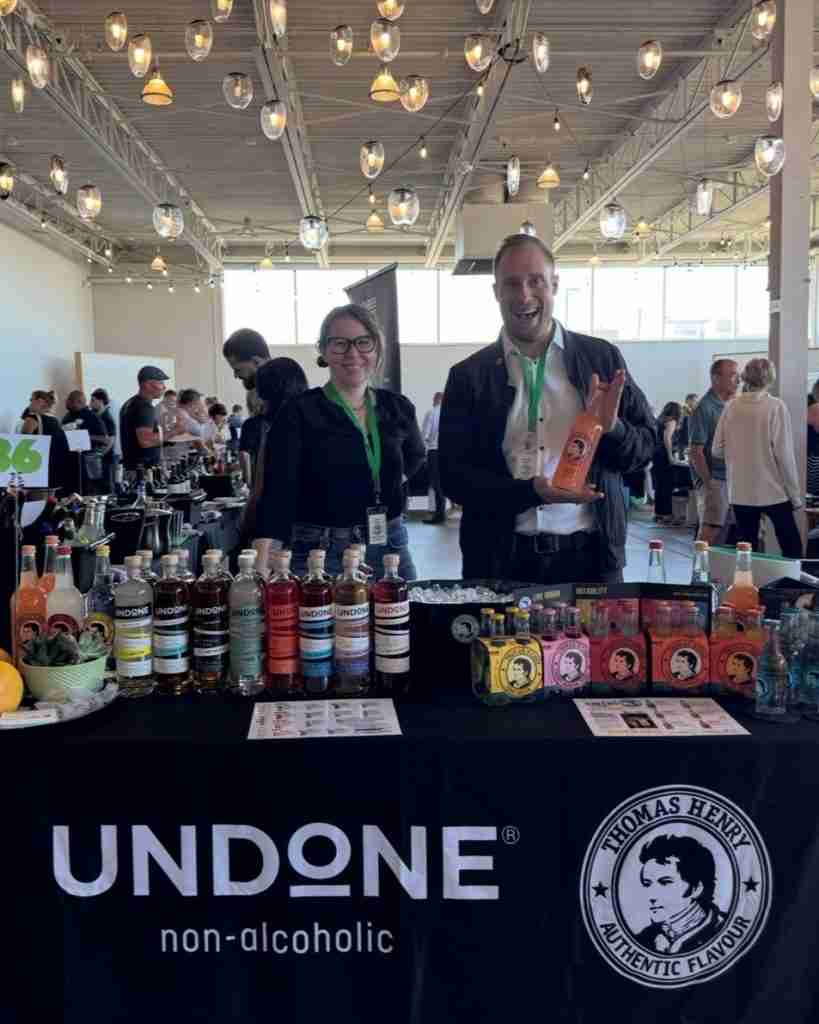
The real shift came in mid-2023. “I would say in the middle of 2023, we decided to really make investments so that we could scale up inside of the category,” Dana shared. This wasn’t just about adding a few products to their existing portfolio – it was about building dedicated infrastructure to support a new category.
The investment required deliberate portfolio curation. The Wine Company maintained their 40-year practice of tasting everything before taking it to market, refusing to compromise on quality standards. But they also had to develop new vetting criteria specific to ANA brands. Financial solvency became critical because they inherited the risk of their vendor partners, and most brands in this space were startups.
“One of the biggest challenges for my chair is making sure that any new partnership is scalable, and within that, there has to be financial solvency, because we inherit the risk of those vendors,” Dana explained. “Everything and everyone in this space is theoretically a startup, so we have to be very diligent around vetting partnerships.”
They also encountered an unexpected education curve. Many ANA brand founders hadn’t planned to work within the beverage alcohol three-tier system and came in without familiarity with federal regulations, state-level compliance, or distributor partnership etiquette. “That’s a learning curve, and there’s also the etiquette around partnership with the beverage alcohol distributor that is for the most part in my experience, also part of the learning curve,” Dana noted.
How Distributor Investment Changes Market Dynamics
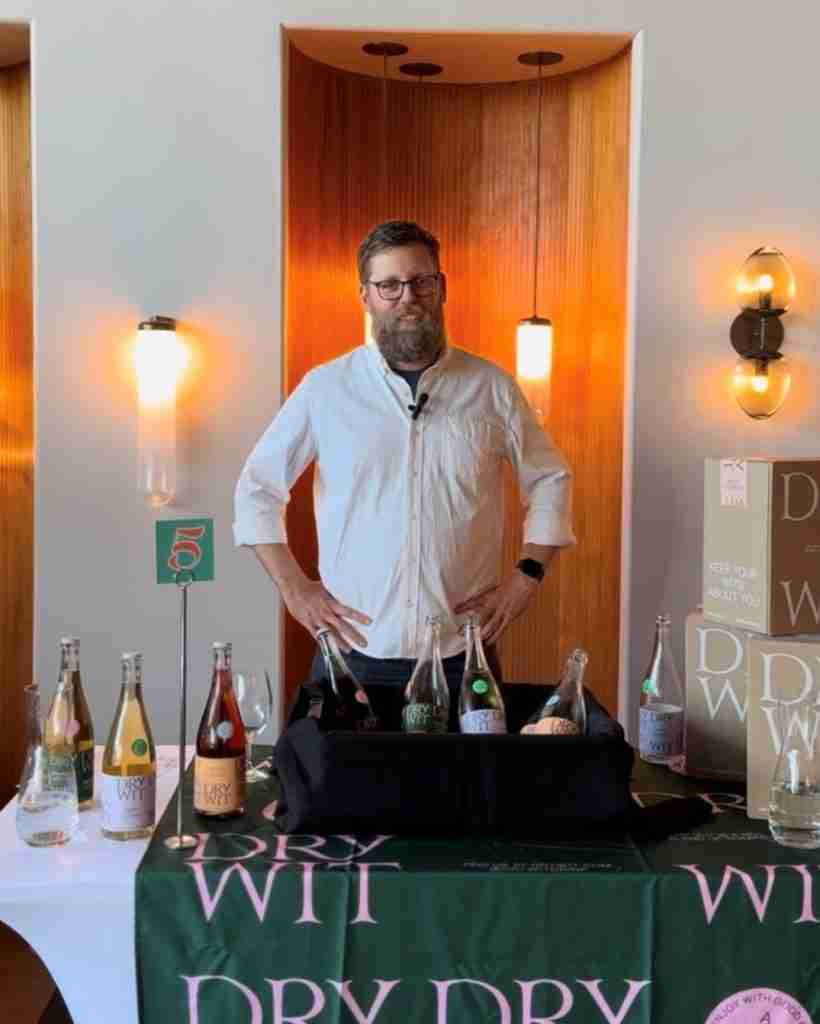
The infrastructure investment created something unexpected – it completely transformed how buyers approached the category. “In my career, I have never seen a category scale as rapidly as adult non-alcoholic,” Dana told me. “In the space of when I look back at the top of 2024 in dry January to where we are right now, headed into sober October 2025, I would say the last 18 months especially, we have seen the adult non-alcoholic category become the new normal.”
The shift was dramatic. Early on, The Wine Company spent time soliciting the value proposition around adult non-alcoholic products, often facing pushback from retailers and restaurants. By mid-2024, the dynamic had reversed entirely. “We definitely saw certain retailers and restaurant programs come to us by the middle of this year and be pretty vulnerable and say to us, like, we feel like we’re behind, can you help us catch up?” Dana shared.
The Wine Company’s identity as ANA category leaders in their market meant that buyers who weren’t investing in this part of their program understood they were potentially leaving money on the table. The distributor’s commitment to the category gave it legitimacy and created urgency among accounts.
“There is wide social acceptance around the products in the category to the degree that it’s been mainstreamed,” Dana explained. What was once a niche offering requiring education and advocacy had become an expected part of a complete beverage program.
Building Balanced Category Architecture
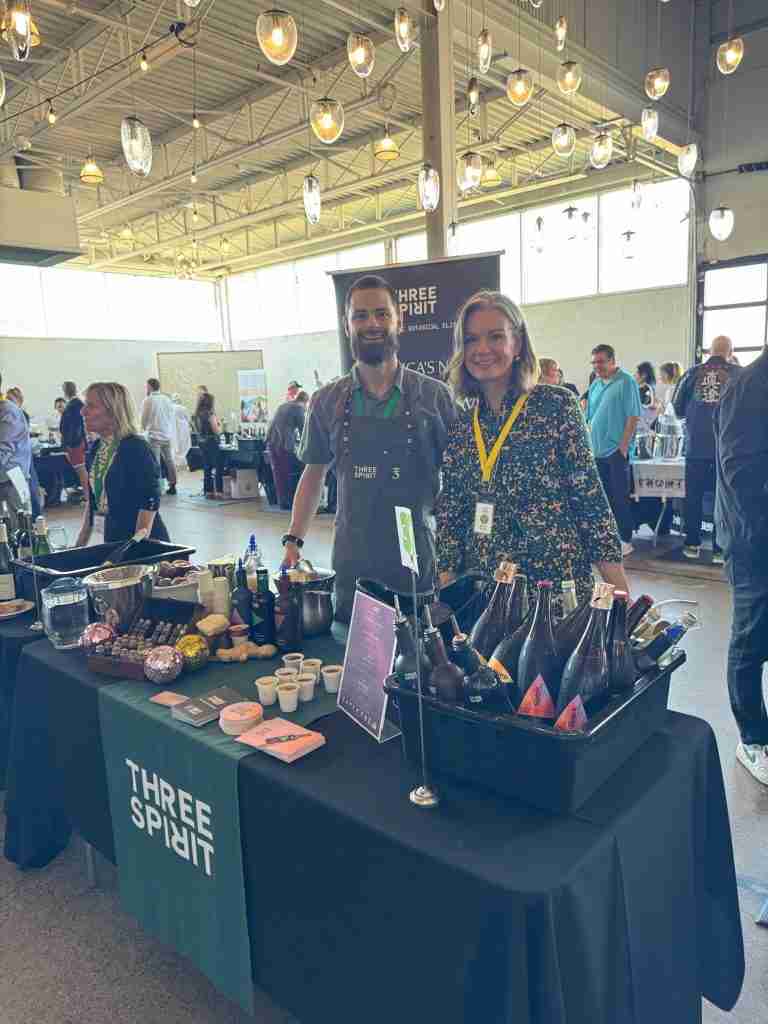
With their infrastructure established and market leadership position secured, The Wine Company is now focused on deepening their portfolio strategically. “We are working to create balance with our portfolio,” Dana told me. “I was slower to add certain subcategories because I was waiting for the right brand or the right time.”
They’re being deliberate about portfolio representation across subcategories, ensuring they can serve diverse buyer needs without overwhelming accounts with too many options in any single area. With some brands, they’ve reached what they believe is capacity for market share. With others, they see significant blue sky opportunity for growth.
This phase requires more sophisticated analysis. “Understanding strategies and then where we can invest, whether that is with dollars or sweat, is kind of the next step for us as we start to have the benefit of data that substantiates where we can make more strategic investment,” Dana explained.
What This Approach Means for Category Growth
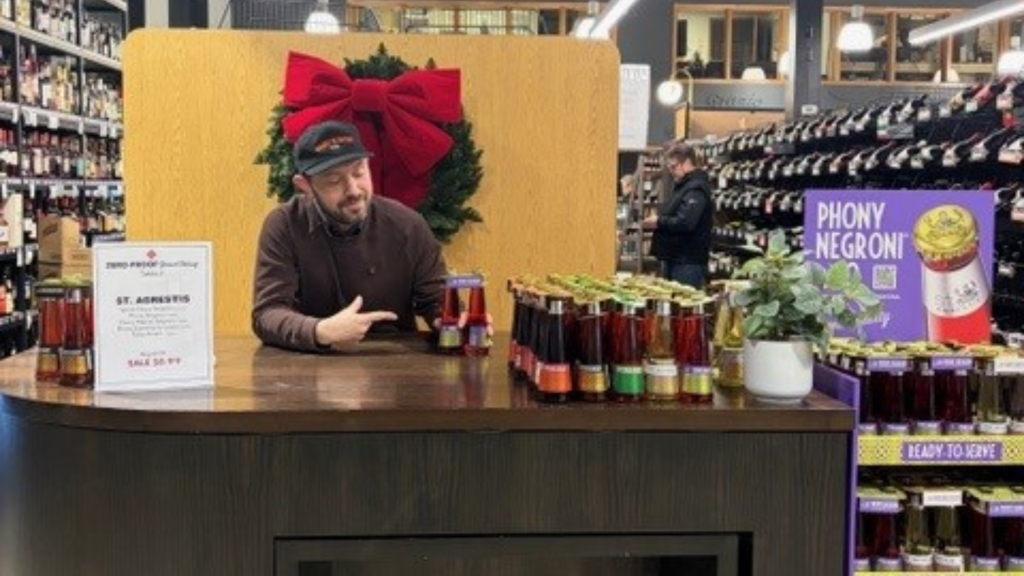
The Wine Company’s journey from wine wholesaler to ANA category leader demonstrates how distributor infrastructure investment creates the foundation for broader category expansion. By committing resources to building a dedicated portfolio – including the challenging work of vetting startups, educating brand partners on three-tier systems, and curating balanced category representation – they’ve created accessible pathways for producers to reach market.
This infrastructure investment benefits the entire ANA ecosystem. Producers gain access to established distribution channels and buyer relationships. Retailers and restaurants get a trusted partner to help them build competitive programs. And the category gains credibility through the endorsement of an established, respected distributor.
“We, like many of our colleagues at the ANBA, do not see adult non-alcoholic as a trend,” Dana emphasized. “We definitely think that it is here for the long haul, and so we are looking to continue to invest in scaling our business and presence in this space.”
For other distributors considering similar investments, The Wine Company’s experience shows that early infrastructure commitments can create lasting competitive advantages – and more importantly, can accelerate the mainstreaming of an entire category by giving it the distribution foundation it needs to thrive.