
Abstinence Spirits Built the Data Before They Built the Retail Case
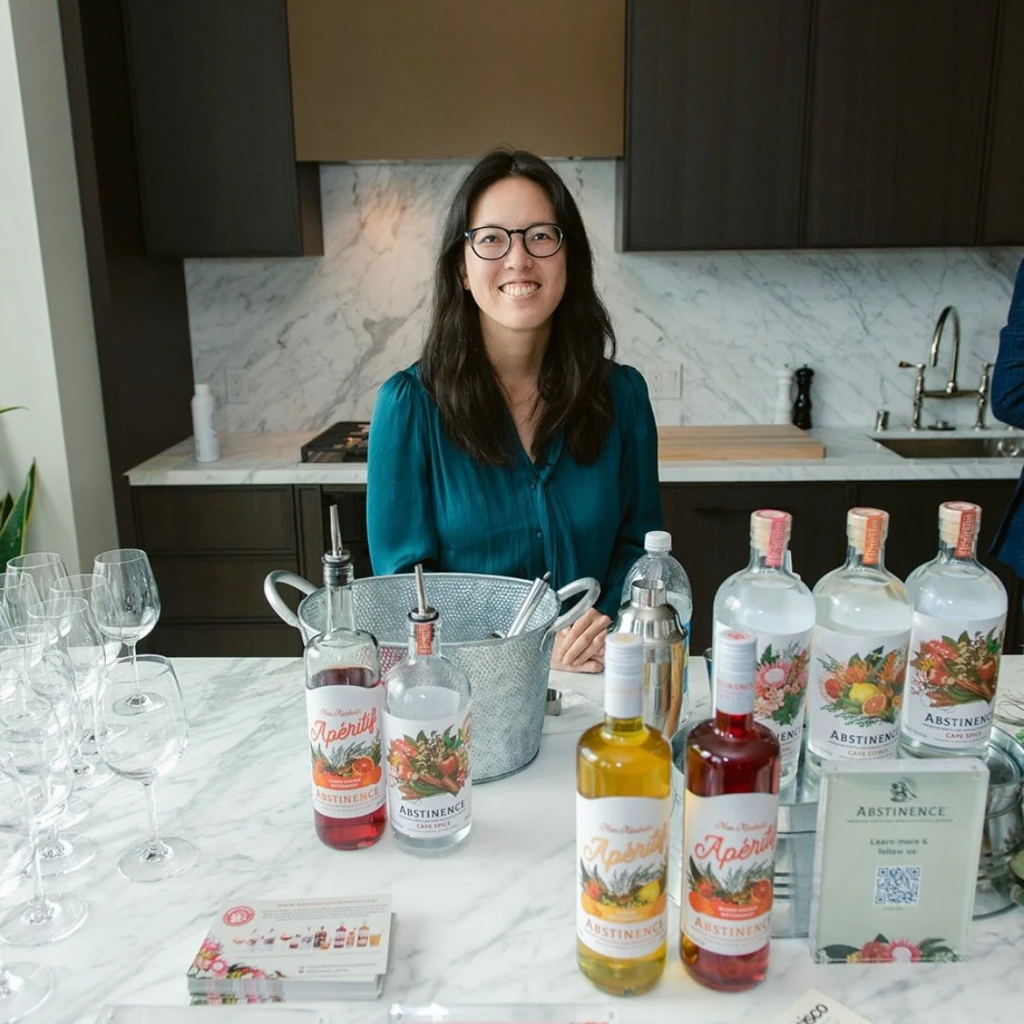
Too many ANA brands pitch retail before they have a reason to be there. Ranwei Chiang, CEO of Abstinence Spirits, took a different path than many brands – one that meant saying no to retail early, going deep on Amazon and on-premise instead, and using everything she learned to walk into Whole Foods, Raley’s, and Total Wine with data that made the conversation easy.
The approach didn’t happen by accident. It came from a clear-eyed read of where the adult non-alcoholic category actually was in 2022, and a decision to build a foundation before asking anyone to bet on the brand.
Reading the Market Before Chasing the Channel
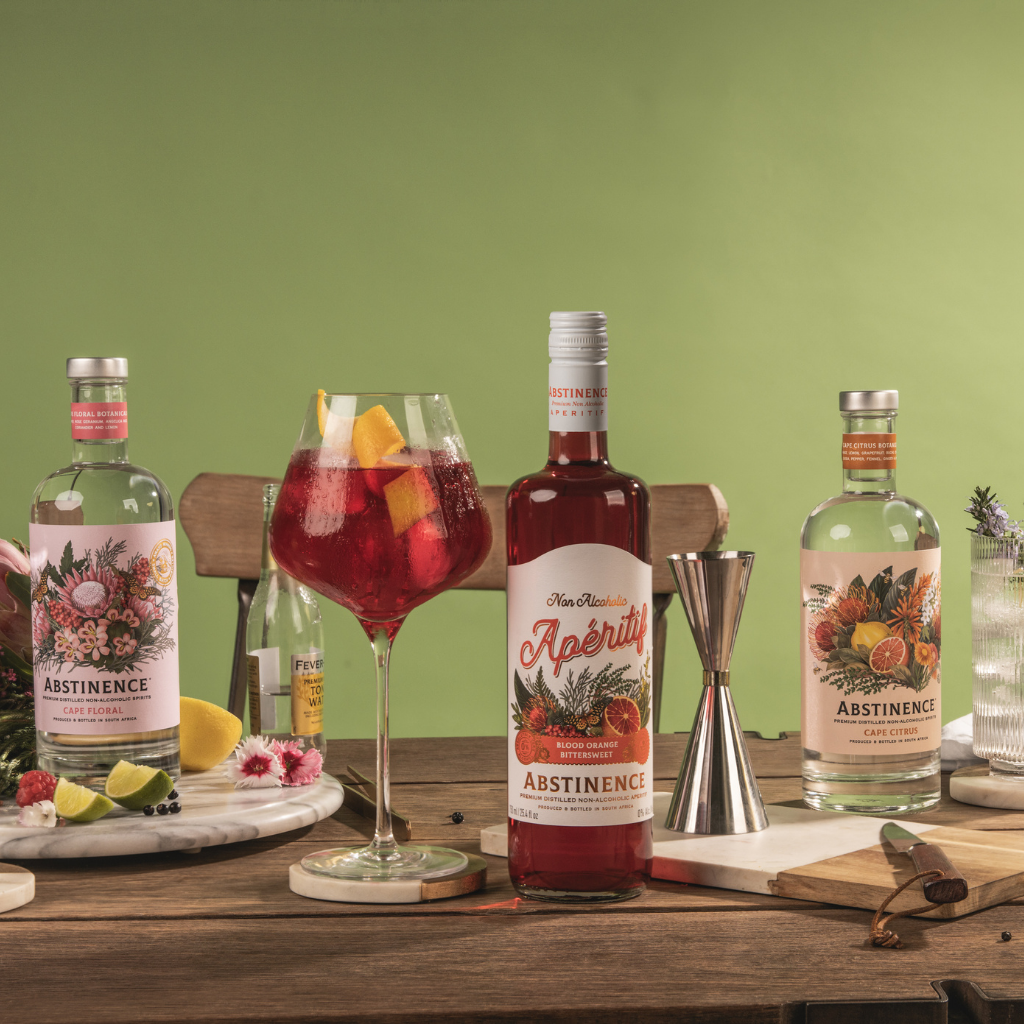
When Abstinence Spirits launched in 2022, the instinct was the same one most emerging ANA brands have: get on shelf, get visible, and let consumers find you. Chiang told me during our conversation that retailers weren’t quite ready to dedicate meaningful space to ANA spirits – and that consumers, for their part, were already shopping online rather than looking for it in stores.
“Because of the fragmented retail availability, a lot of consumers were actually shopping online,” she explained. “So we quickly pivoted and wanted to make sure we were on Amazon.”
That read on the market shaped the next two years of the business. Rather than spread resources thin chasing retail placements they weren’t ready to win, Abstinence went deep on two channels that were actually working: Amazon and on-premise.
Building Amazon as a Core Capability - Not Just a Sales Channel
Amazon became more than a revenue stream for Abstinence Spirits. Chiang made a deliberate decision early on to build Amazon expertise in-house rather than outsource it – learning the algorithms, running advertising campaigns, and treating the platform as a capability the business needed to own.
“Amazon is an art form,” she said. “It’s tempting, because it’s complicated and the algorithms change every week, to just try to outsource that. But for us, this was a critical part of our business that we wanted to own.”
That internal knowledge base paid off in ways that extended well beyond sales. One specific decision proved especially valuable: maintaining Fulfilled by Merchant alongside Fulfilled by Amazon. FBA delivers a faster, cleaner consumer experience and is the default choice for most brands – but it comes at a cost that doesn’t show up on a P&L. Amazon keeps the customer data. With FBM orders, Abstinence got names, addresses, and a direct line to the people buying their products, allowing the team to communicate with Amazon buyers the same way they would with customers who purchased on their own website.
“Even our website doesn’t get as much traffic as Amazon does,” Chiang shared, “but we were able to communicate with the Amazon consumer in the same way we would if they bought on our website.”
The data that accumulated over two years on Amazon became something else entirely: a retail proof of concept. Repeat purchase rates, new customer acquisition, conversion rates – all of it documented, all of it available to share with a buyer who needed to know whether a product would actually move on shelf.
On-Premise as a Trial Engine
Running parallel to the Amazon strategy was a deliberate push into bars and restaurants in Abstinence’s core markets of San Francisco and New York. The reasoning was straightforward: a full bottle purchase is a significant commitment for a consumer who hasn’t tried the product. On-premise solved that problem.
“Being available on-premise has been kind of key for us,” Chiang explained. “In our core markets, we’ve dedicated a salesperson to go door-to-door and sell Abstinence to bartenders.”
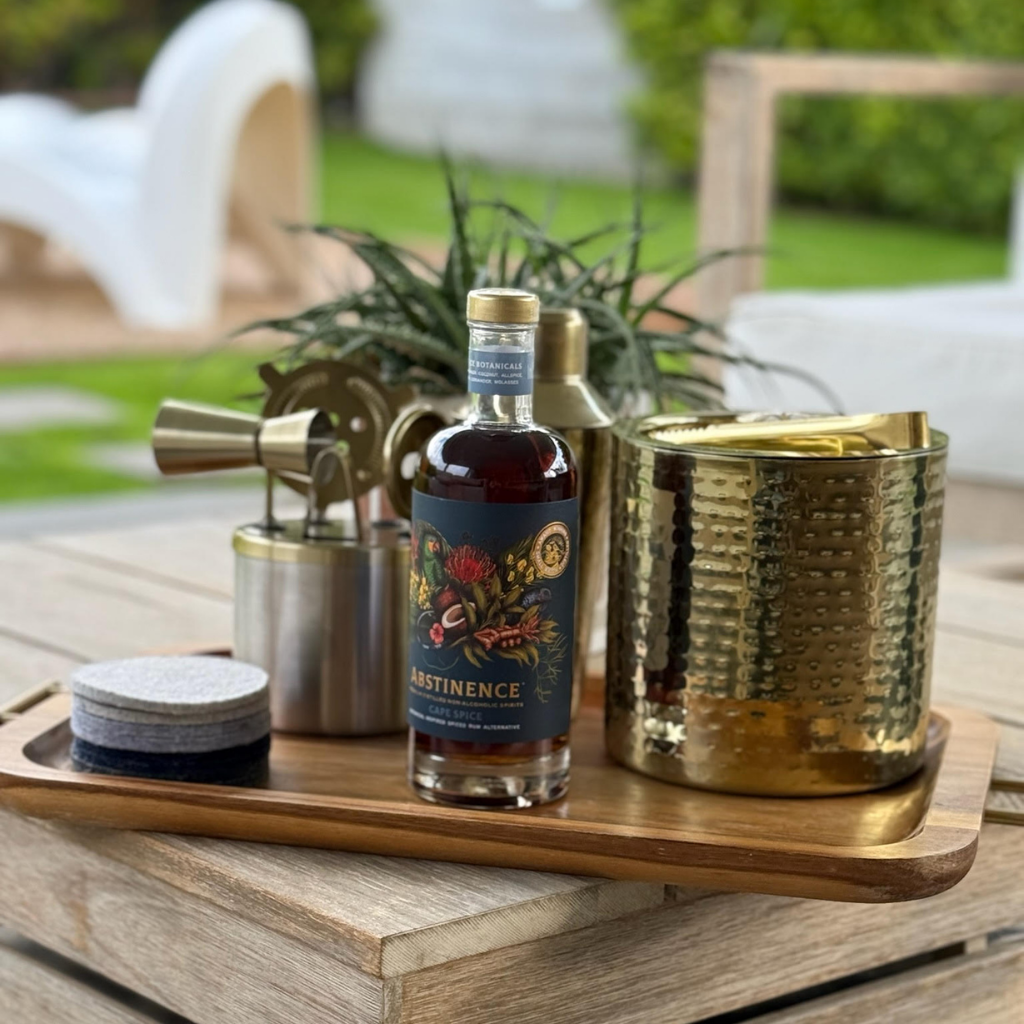
What that ground-level work revealed was equally instructive. Bartenders, Chiang found, weren’t looking for novel or unusual flavors – they were looking for products that mapped onto their existing knowledge. A mezcal with recognizable jalapeño, sage, and sea salt agave notes gave them something to work with immediately, drawing on years of cocktail knowledge rather than asking them to start from scratch. “We want to be supportive and not make them have to completely recreate the wheel,” she said. “Having the gin, the rum, the mezcal has helped us bridge that conversation.”
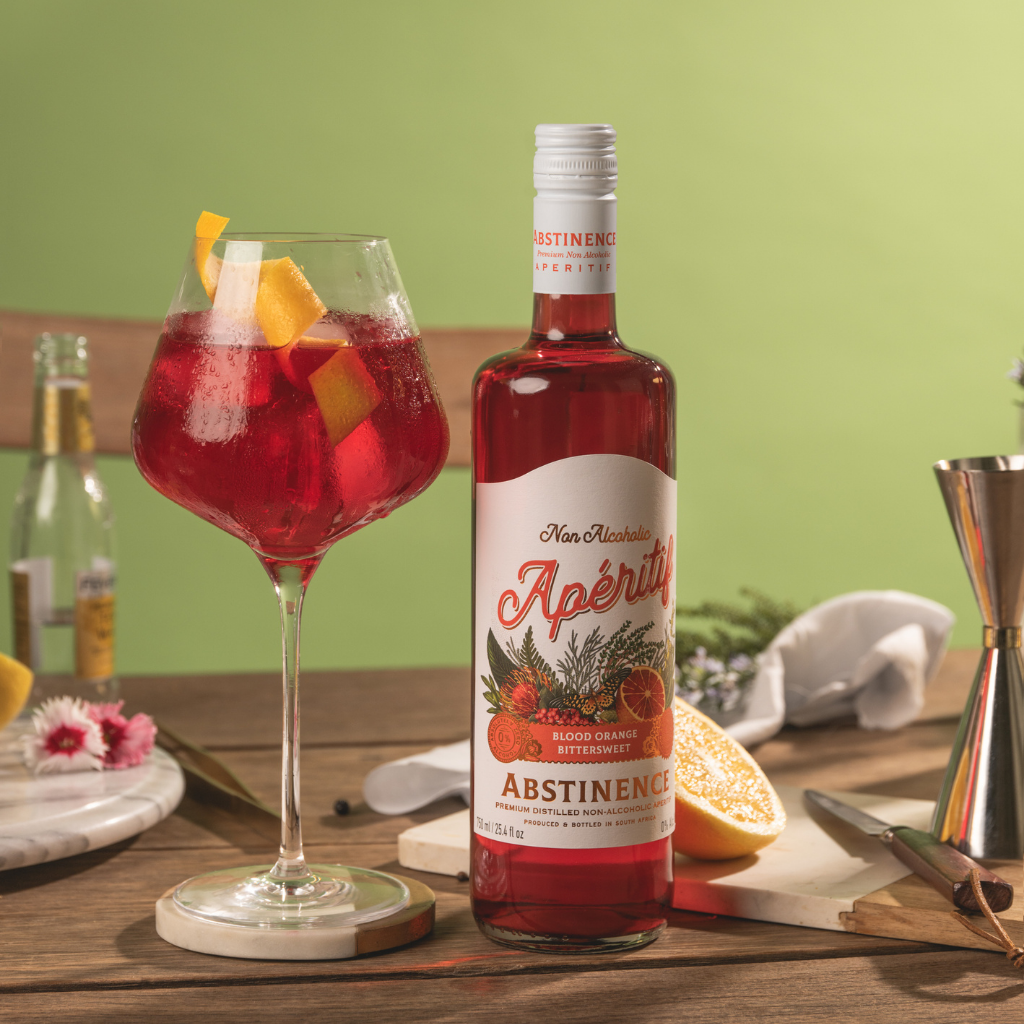
That insight – that ease of use for the bartender was the actual unlock, not flavor novelty – fed directly back into the product itself. About a year and a half ago, Abstinence reformulated and rebranded their full range to align more closely with familiar spirit categories. An earlier product called Epilogue – a whiskey-adjacent spirit with an unusual flavor profile – was interesting, but it had no natural home with buyers or bartenders. Nobody knew quite where to put it or how to use it. The new lineup gave on-premise accounts something they could place immediately, and the results showed up in the sales data quickly. The Spice Rum outperformed the Cape Spice product it replaced by a meaningful margin.
“That was a huge unlock for us in the on-premise space,” she said.
Using the Foundation to Enter Retail on Their Own Terms
By January 2026, the foundation was in place. Abstinence launched in Whole Foods, Raley’s, and Total Wine – not as a hopeful new entrant asking for a chance, but as a brand with documented consumer demand and the data to back it up.
“Part of the reason we got Whole Foods is probably because we had really strong Amazon data,” Chiang said. “What’s our repeat purchase rate, what’s our new customer acquisition, what’s our conversion rate online? We could take that information and say – here’s how we think it translates into your stores. Let’s test it out.”
The results of that approach are visible in the retail terms themselves. Abstinence launched with 2 SKUs at Whole Foods and is expanding to 3 in June. Raley’s took 4 SKUs. The brand’s visual presence on shelf – striking enough that a blocked section performs meaningfully better than a single bottle – became part of the pitch, and retailers responded to it.
Getting in was only the first step, though. Abstinence paired each retail launch with a heavy demo schedule, putting the product directly in front of consumers at the shelf. “Liquid on lips” was how Chiang described the priority – the same philosophy that drove the on-premise strategy, now applied to retail.
What This Demonstrates for the ANA Category
What Abstinence Spirits built over four years is a case for sequencing channels deliberately – treating each one not just as a place to sell, but as a place to learn. Amazon generated consumer data and purchase behavior. On-premise generated product feedback and bartender insight. Both fed into a retail launch that arrived with proof rather than promise.
As Chiang put it: “I don’t know that we would have known as much about our brand and its legs without the Amazon data.”
For retailers, distributors, and buyers watching the ANA spirits space mature, Abstinence offers a useful signal. The brands that have survived four years – building data, refining product, earning placement – are the ones positioned to actually perform on shelf. That’s good for the category, and good for everyone invested in its growth.

Marcos Salazar
Marcos Salazar is the CEO of the Adult Non-Alcoholic Beverage Association. Connect with him on LinkedIn.
The ANA Insider
News, Insights, Events, & Jobs for the Adult Non-Alcoholic Beverages Industry
Join our community of over 10,000 industry professionals receiving the exclusive newsletter from the Adult Non-Alcoholic Association (ANBA).
Each newsletter delivers:
- Insights data in the ANA beverage landscape
- A round up the most important news and headlines
- Breaking news from ANBA members and new product launches
- Business webinars, industry events, and jobs at leading ANA companies