
Blind Tiger Built a Product for the Consumer Who Simply Loves a Great Tasting Cocktail
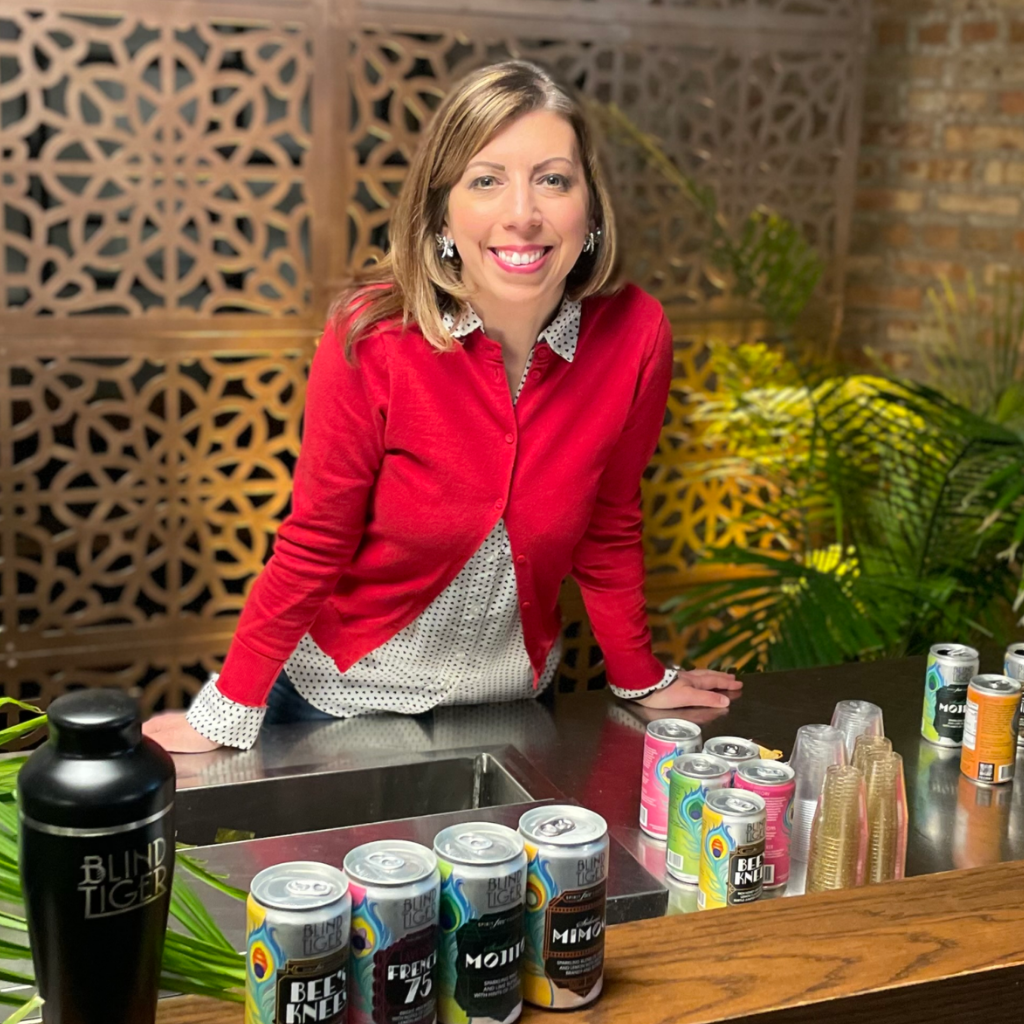
A significant portion of the ANA shelf leads with what it removes: alcohol, calories, sugar, after-effects. That positioning reaches a real and growing consumer. But there’s a group it doesn’t speak to – the person who simply wants a craft cocktail experience, with or without alcohol, and isn’t motivated by any particular wellness goal.
That’s the consumer Rebecca A. Styn, Ph.D., Founder and CEO of Blind Tiger Spirit-Free Cocktails, created her brand for. The way she built her ANA products – flavor first, occasion-designed, engineered to fit alongside alcoholic products rather than replace them – has real implications for how retailers and on-premise operators think about the ANA set.
Flavor First, Without Apology
A growing portion of the ANA category leans into functional and wellness positioning – low-calorie credentials, adaptogens, better-for-you claims. That approach makes sense for many brands and connects well with health-motivated consumers. But it leaves something on the table for the consumer who isn’t coming to the category with a wellness goal in mind – the person who simply wants a great-tasting cocktail, with or without alcohol.
What flavor-first positioning looks like in practice is a brand that leads with craft cocktail taste above everything else – all-natural ingredients, classic recipes, nothing reformulated to hit a wellness credential. The wellness story is absent not by accident, but because the product is built around a different consumer promise entirely.
“We really want to be that true classic cocktail taste,” Rebecca told me during our conversation.
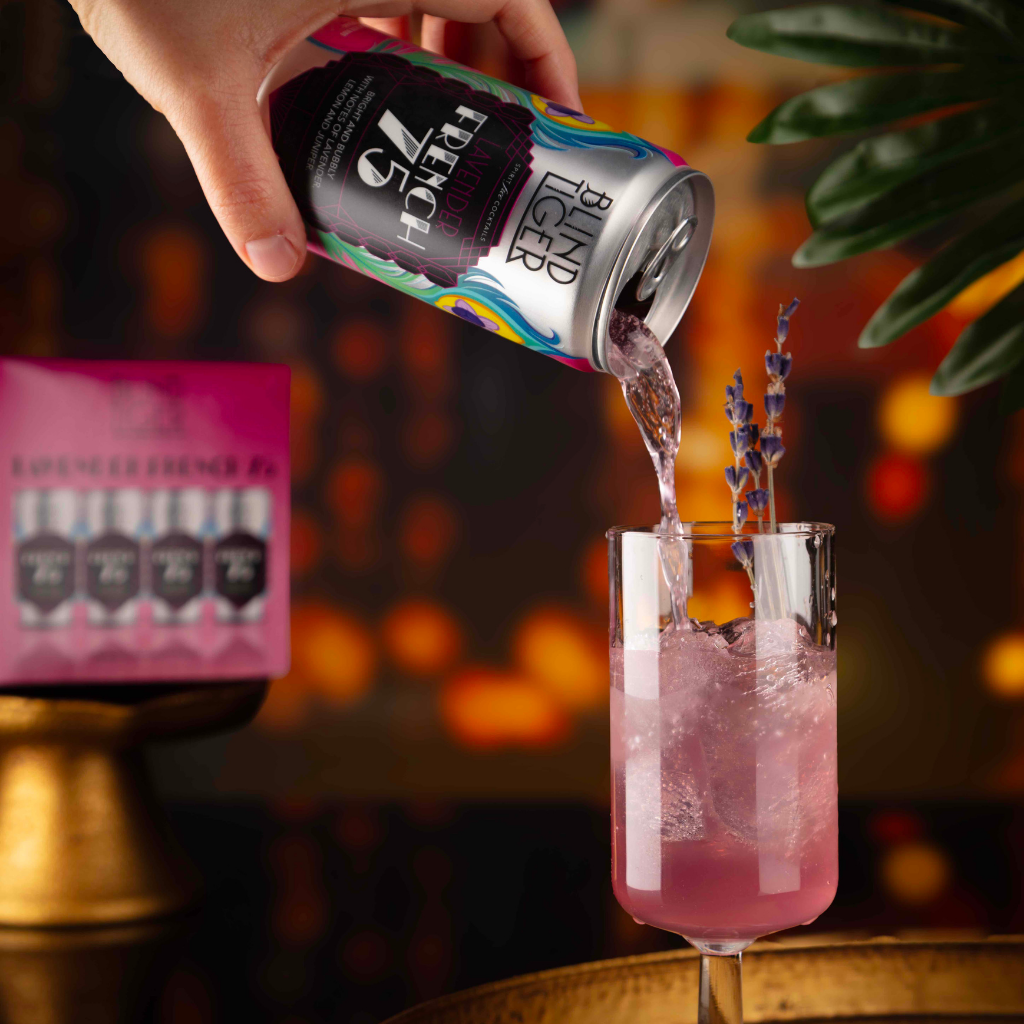
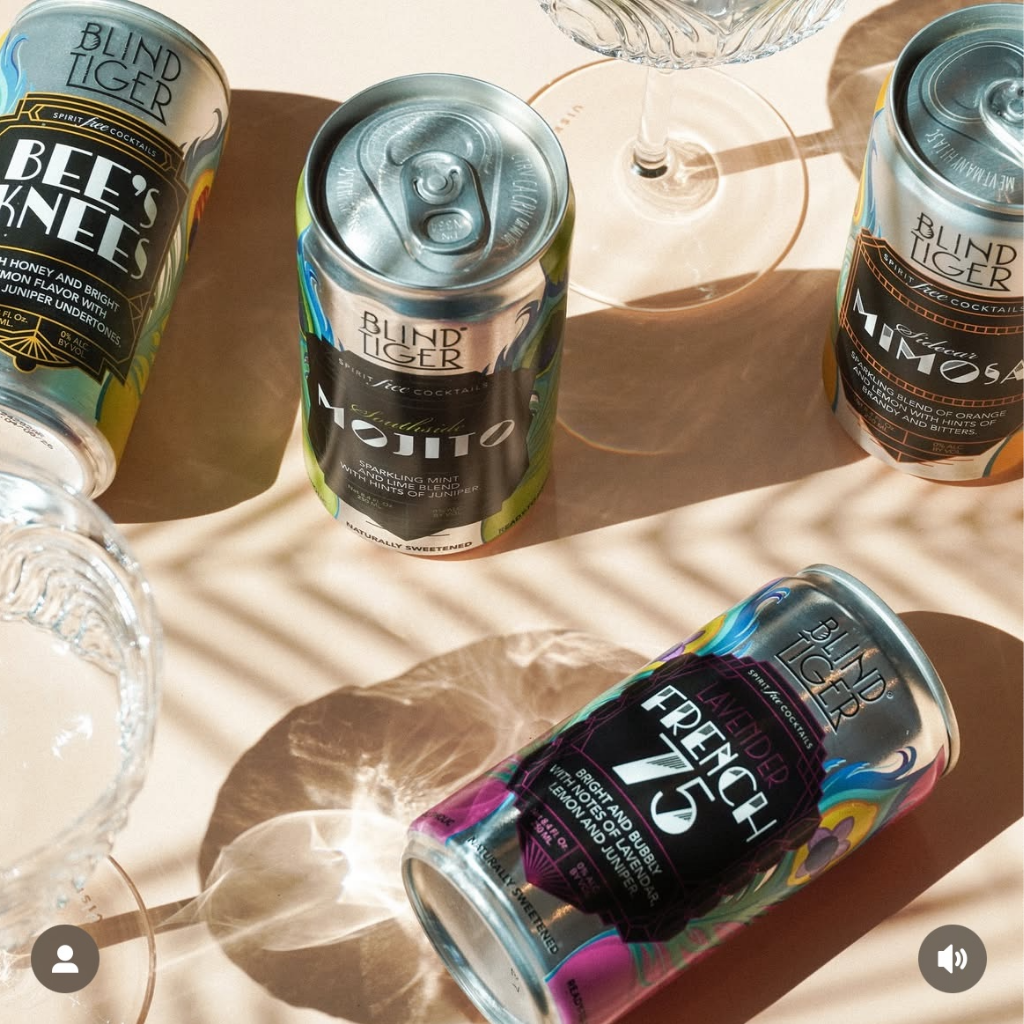
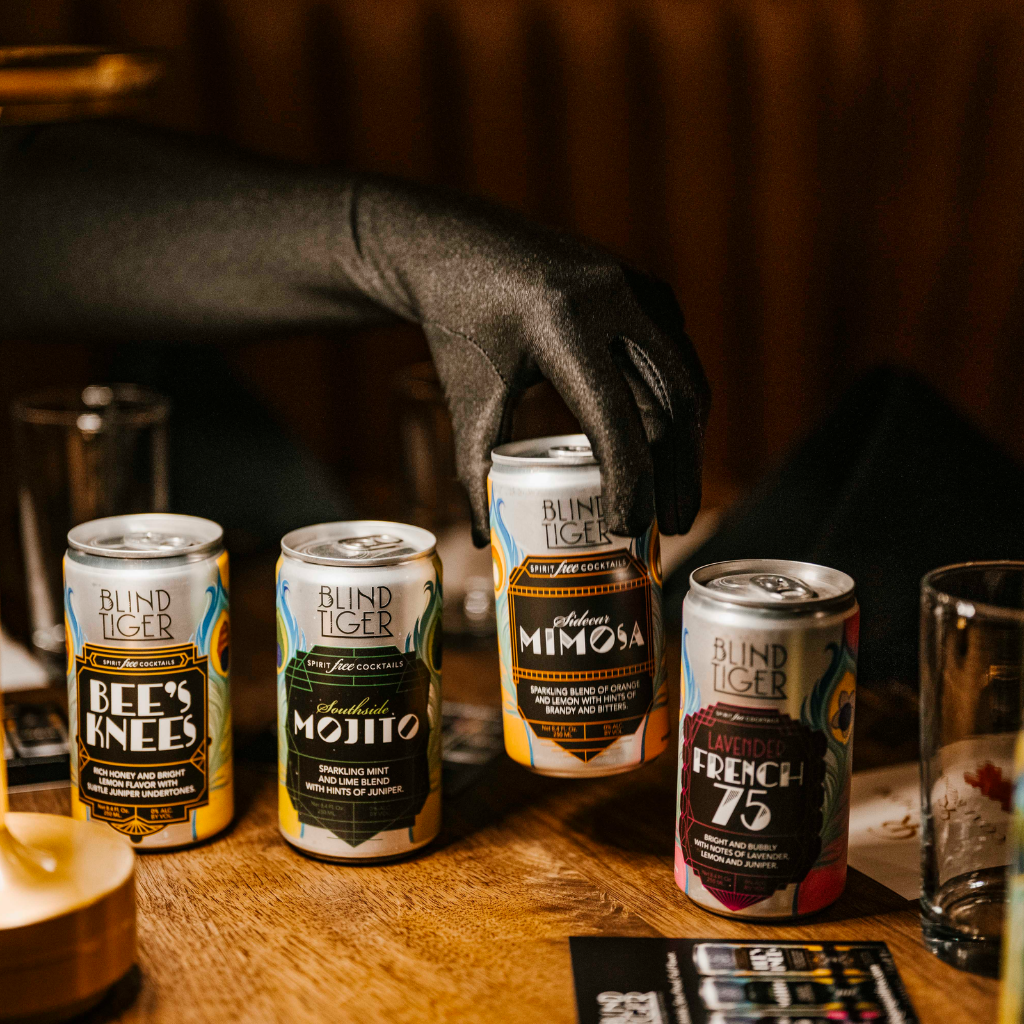
That commitment shaped the product from the start. Rebecca worked with Room 33’s mixologist team – the same people behind the speakeasy’s craft cocktail program – to develop the original ANA recipes. Flavors were built around the defining notes of classic Prohibition-era cocktails – the honey and citrus of a Bee’s Knees, the mint and juniper of a Southside Mojito, the lavender profile of a French 75 – using natural ingredients to deliver the complexity a spirit would typically provide. When early SKUs like the Ward 8 and the Sidecar didn’t land with consumers scanning a shelf, Rebecca didn’t simplify the flavor profiles. She renamed and slightly reformulated them – the Southside became the Southside Mojito, the Sidecar became a Sidecar Mimosa – keeping the craft DNA intact while closing the recognition gap.
“You really learn your customer segment and what they understand or don’t understand,” she said.
Designed for the Mixed Occasion, Not the Abstainer
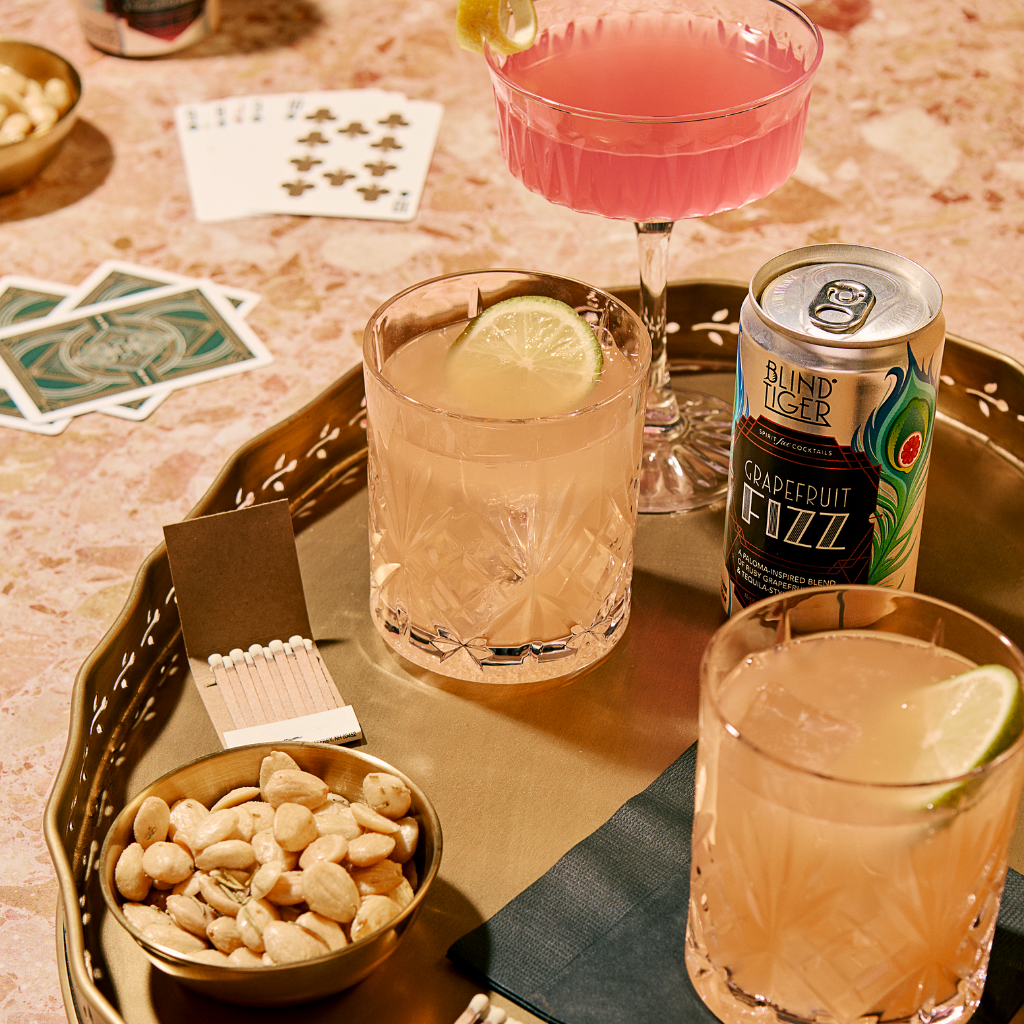
One of the more underserved consumer dynamics in the ANA category is the mixed household – the family or group where some people drink and some don’t, and everyone ends up at the same table. A product designed for that occasion doesn’t need to ask anyone to opt into an ANA lifestyle. It just needs to fit naturally alongside what everyone else is drinking.
That was the design insight behind Blind Tiger’s dual-use architecture. Every product works two ways: as a standalone ready-to-drink ANA cocktail, and as a mixer at a two-to-one ratio with a spirit. The formulation was built so that adding alcohol enhances rather than overwhelms, and the line works equally well with ANA spirits for fully spirit-free occasions.
Early investors pushed Rebecca to pick a lane – RTD or mixer, ANA or hybrid. She didn’t, because the consumer reality didn’t support a clean split.
“I often find that a household has the combination of people in it,” she said. “So if there’s somebody that doesn’t drink, there’s still someone in the house that does. And it allows them to kind of enjoy the same experience, the same ritual, the same presentation.”
The person drinking alcohol and the person not drinking can hold the same can, share the same moment, and neither has to compromise. A product that handles both sides of that table – without requiring separate SKUs, separate menus, or separate shelf placement – is a different kind of asset than a product positioned exclusively at the non-drinking consumer.
For retailers, the implication is placement strategy. Distributing through three-tier beer, wine and spirits channels and sitting naturally alongside alcoholic products creates a different kind of trial pathway – one that reaches the consumer who wasn’t specifically looking for an ANA option. The mixed household shopper picking up a six-pack sees it. The consumer curious about what’s next to the gin reaches for it. That’s a meaningfully different entry point than an isolated ANA section that self-selects for consumers already motivated by the category.
The On-Premise Case
The occasion-design logic gets even more compelling in hospitality settings.
On-premise operators have historically struggled with ANA execution. Made-from-scratch ANA cocktails require bartender knowledge, ingredient investment, and menu real estate – a significant ask for a category that hasn’t yet proven consistent consumer pull. The result is that most on-premise ANA offerings are thin: a mocktail or two, often an afterthought, rarely given the same care as the rest of the drinks menu.
A consistent, shelf-stable ANA format in a small can solves that problem. No build, no bartender training, no incremental ingredient cost. The quality is controlled. The presentation is repeatable. And a consumer who tries it on-premise is a much warmer retail prospect than one encountering the category cold on a shelf.
“When you get on menu, it’s so much easier to sell,” Rebecca said.
Royal Caribbean recognized that value and launched a dedicated ANA menu featuring Blind Tiger. The broader hospitality opportunity – cruise lines, franchise restaurant groups, poolside venues – follows the same logic: a recognizable, reliable ANA format that works consistently across high-volume settings where made-from-scratch options aren’t realistic.
The Consumer the Category Still Needs to Reach
The ANA category’s next growth phase depends on expanding beyond the consumer who was already looking for it. The wellness-motivated, sober-curious consumer drove the first wave. The next wave includes people who want a great drink at the right moment and would choose ANA if it delivered the quality and occasion fit they were looking for.
The ritual of the drink, Rebecca told me, matters as much as what’s in it. That framing – occasion-first, not abstinence-first – points to a consumer the category hasn’t fully cracked yet. One who isn’t reducing alcohol for any particular reason. One who simply wants something great in their hand.
For retailers and on-premise operators building out ANA sets, the broader opportunity is worth considering: a flavor-first, occasion-designed product reaches a consumer that wellness positioning doesn’t. That consumer isn’t sober-curious or health-motivated. They just want a great drink – and if the category can deliver that, they’re in.

Marcos Salazar
Marcos Salazar is the CEO of the Adult Non-Alcoholic Beverage Association. Connect with him on LinkedIn.
The ANA Insider
News, Insights, Events, & Jobs for the Adult Non-Alcoholic Beverages Industry
Join our community of over 10,000 industry professionals receiving the exclusive newsletter from the Adult Non-Alcoholic Association (ANBA).
Each newsletter delivers:
- Insights data in the ANA beverage landscape
- A round up the most important news and headlines
- Breaking news from ANBA members and new product launches
- Business webinars, industry events, and jobs at leading ANA companies