
Fast Track Packaging Erased the Minimum Order That Can Keep Small ANA Brands Off the Shelf
For a small or emerging adult non-alcoholic brand, there’s no shortage of things standing between a good product and a real shot on the shelf – distribution, pricing, brand awareness, retailer relationships, and more. One factor that gets discussed less often, but shapes a brand’s options from the very start, is packaging economics.
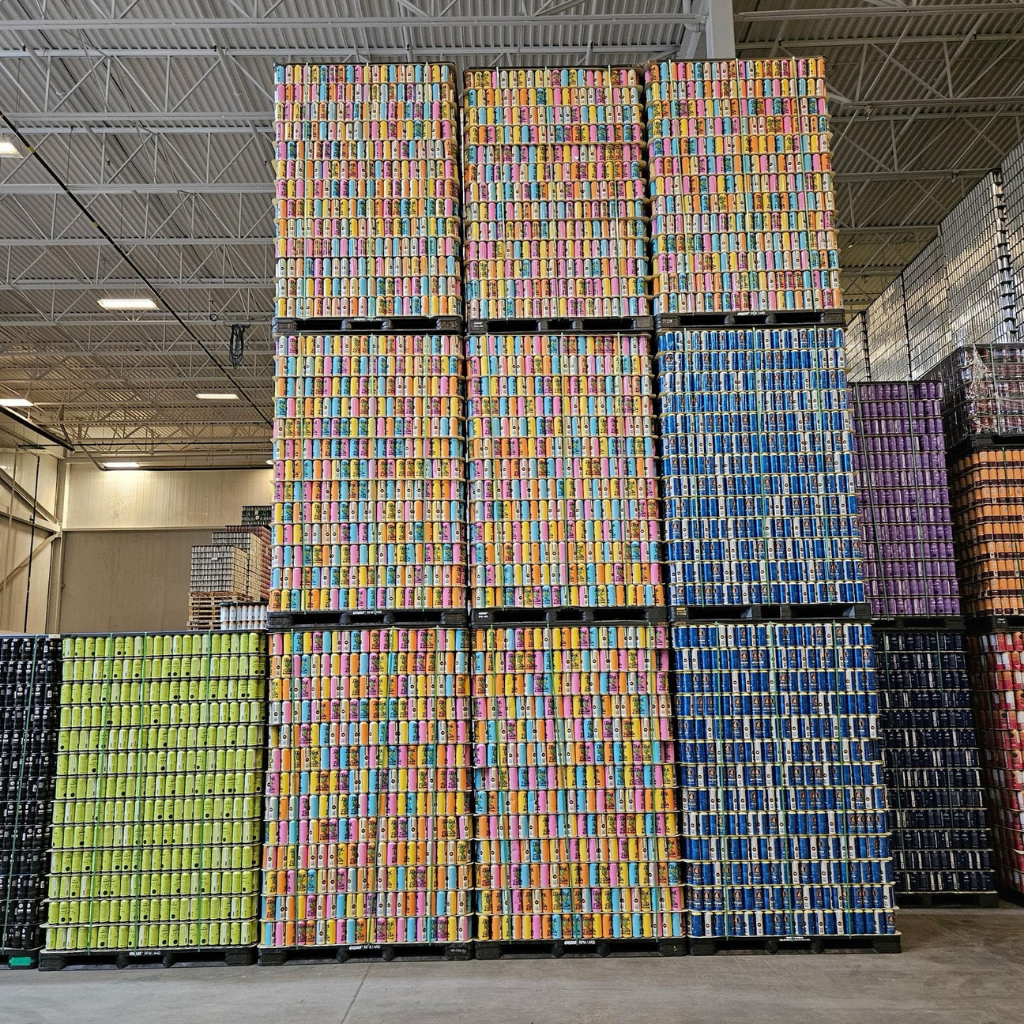
A brand with four SKUs launching on traditional offset-printed cans has historically had to order roughly 150,000 cans per SKU – four truckloads, all at once, all paid for before a single can sells. That number has nothing to do with consumer demand. It is simply the volume at which offset printing becomes economical. For a brand still finalizing its recipe, its flavor lineup, or its packaging language, that kind of commitment can tie up cash and warehouse space the business doesn’t have yet.
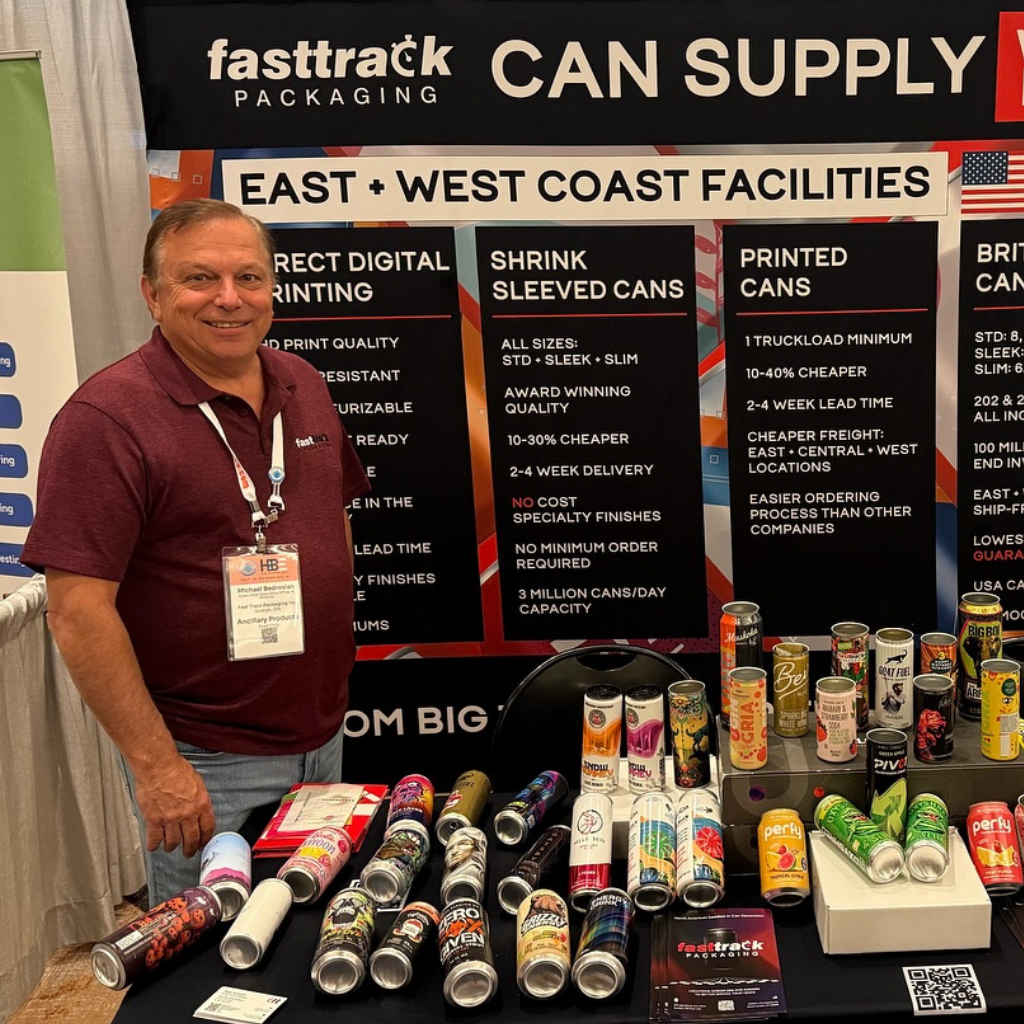
Mike Bedrosian, COO and Director of Sales of Fast Track Packaging, told me the quantity requirement is often a major barrier standing between a small brand and retail – not the product itself. Over the past two years, his company built a direct-to-can digital printing process designed to remove that requirement altogether, and the effects are showing up across how emerging beverage brands are able to launch, test, and grow.
Solving the Ink Problem No One Else Had Cracked
The idea of printing directly onto a can isn’t new. What’s new is making it actually work.
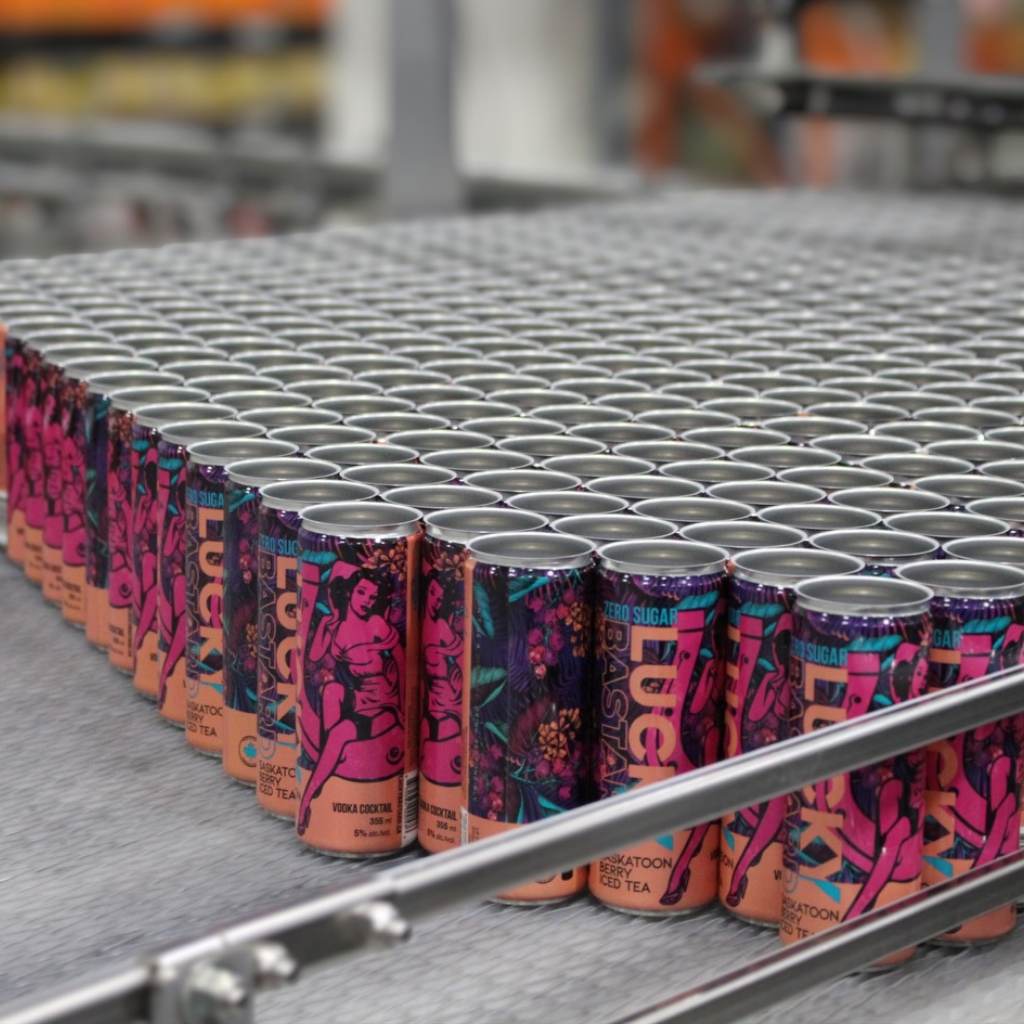
A metal can comes out of its mold coated in either wax or oil, which means standard ink simply won’t adhere to it – and if the ink doesn’t survive pasteurization and filling, the can is useless. Others have tried direct-to-can digital printing before, he told me, but the adhesion problem kept the process from being commercially viable. Fast Track developed proprietary methods that solve this, allowing ink to bond to a bare silver can and hold through the full production process.
The result: cans can be printed directly, in any quantity, with a turnaround measured in days rather than months.
“There’s no minimum orders at all,” Bedrosian said. “If you want 500 cans, you get 500 cans.” There is also no plate cost – a detail that matters more than it might sound. Traditional offset printing requires physical plates that can run into the thousands of dollars, and once a brand invests in a set, changing anything – a color, an ingredient callout, a logo update – means paying for new plates all over again. Digital removes that cost from the equation entirely, whether the change happens a week after launch or a year later.
What Removing the Minimum Makes Possible
Once the order minimum disappears, packaging stops being a fixed decision and starts being a flexible tool – and that shift shows up in three distinct ways for ANA brands building a category with limited shelf space and growing consumer familiarity.
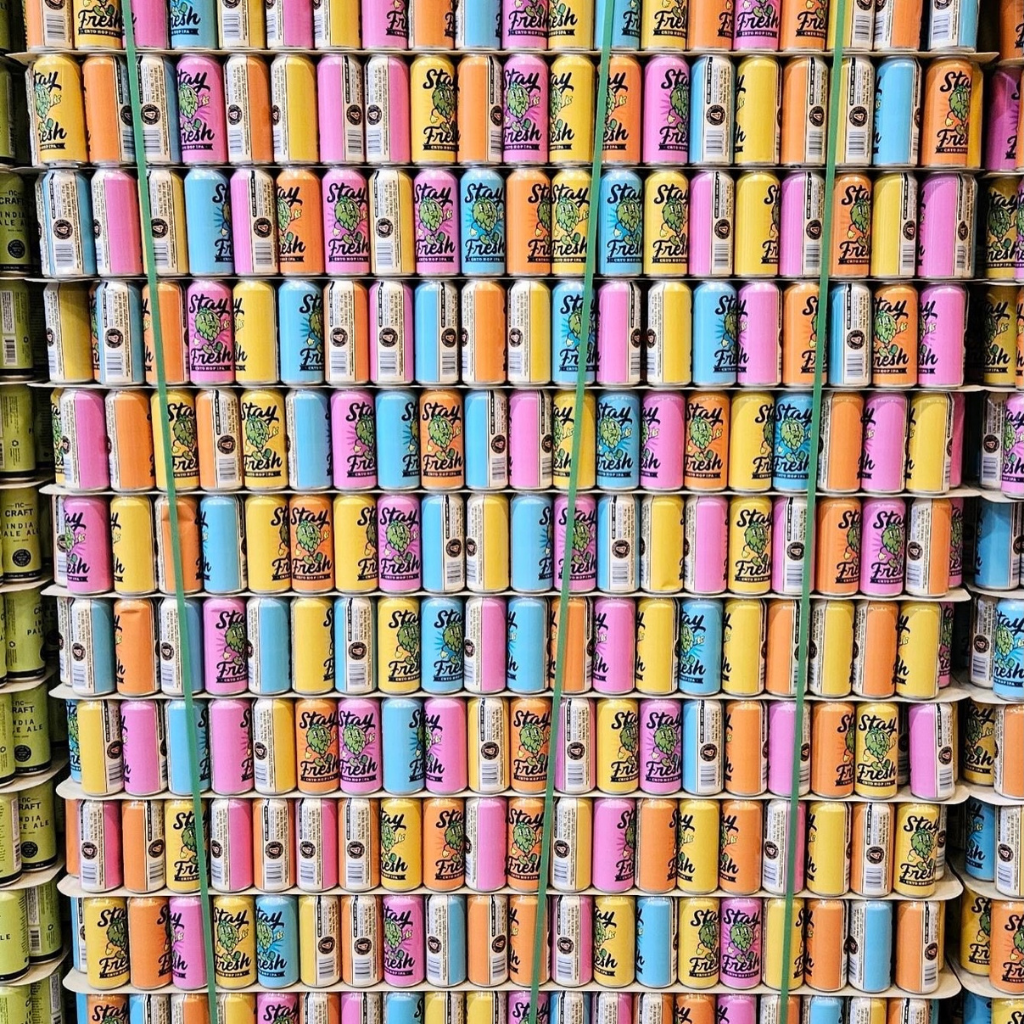
The first is variable print. Because digital printing runs through a program rather than a fixed plate, Bedrosian noted that every single can in a run can be different – brands are using this for on-pack contests, seasonal designs, and small creative details that shift from can to can within the same batch. It’s a level of customization that offset printing, run in bulk through a single fixed design, simply cannot produce.
The second is speed. “If you were to send me artwork today, I could literally print it in a day or two and get it on the shelf,” Bedrosian said. For a category where trends move quickly and shelf space is earned rather than given, that turnaround changes what’s possible. A brand testing a new flavor, responding to a retail conversation, or reacting to what’s working with consumers doesn’t have to wait months to see the idea on a can.
The third is short-run and event-specific production. This is particularly relevant for non-alcoholic beverages, he explained to me, since they – unlike alcohol – can be shipped directly to consumers. That makes it possible for an ANA brand to produce a limited run tied to a specific event, team, or community, something that would be economically indefensible under a 150,000-can minimum.
Adaptability as a Business Advantage, Not Just a Production Feature
Most businesses assume that changing a supplier or an ingredient mid-run means absorbing a packaging cost along with it. For brands using digital printing, that assumption doesn’t hold. Bedrosian described how removing the plate cost and the minimum order means a brand can adjust its ingredients, its co-packer, or its supplier without triggering a packaging overhaul – because there’s no sunk packaging investment to protect.
That adaptability compounds over time. A brand isn’t locked into a single formulation or design just because it is already committed to cans. It can test, learn, and adjust the way a much larger, better-funded competitor might never need to – because that competitor doesn’t have to move quickly in the first place.
Bedrosian pointed to one beverage brand his team worked with early on as a case in point: their first order was 30,000 cans. Years later, that same brand was ordering in the hundreds of millions annually. The packaging process didn’t force them to guess their volume upfront – it let them grow into it.
Where This Is Headed for the Category
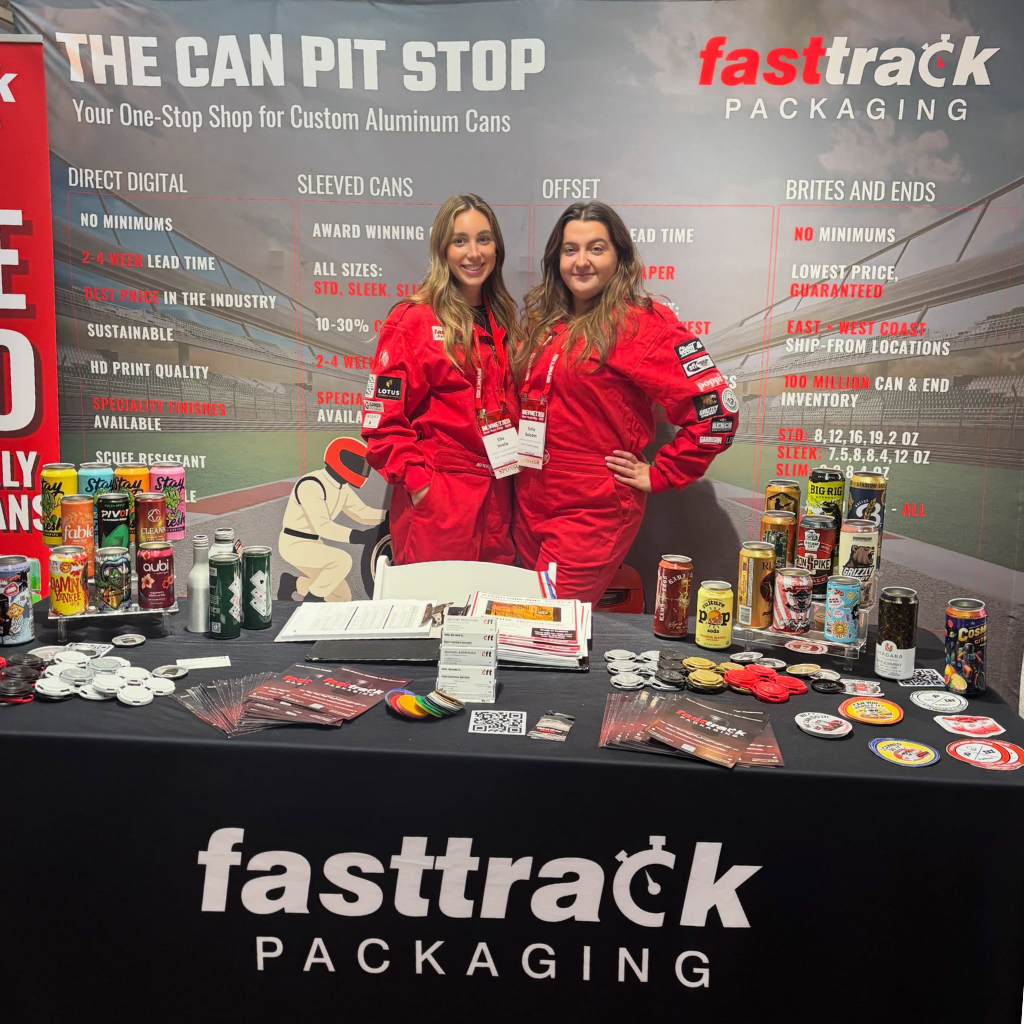
When I asked Bedrosian where he sees this going, his answer centered less on the technology itself and more on what consumers are starting to expect. Shoppers don’t just glance at a shelf anymore, he said – they want to feel and touch, and a can has to stand out to earn that attention. Digital printing, with its extended color range and finer detail, gives brands more room to do that than a four-color offset run ever could.
He also expects to see more line extensions and more short-run products as this becomes standard practice – not because brands are chasing novelty, but because the cost of trying something and being wrong has dropped so far. A brand can now test a new mocktail flavor as a smaller run, see how it performs, and decide whether to scale it – all without staking the business on a printing order sized for a much bigger company.
That shift matters more for the ANA category than most. It’s still a category where many consumers are being introduced and deciding what they think an adult non-alcoholic product should look or taste like, and where a large share of potential brands are small, self-funded, and early. A packaging process that lets those brands compete for shelf space without the capital a legacy beverage company would need is infrastructure the category has been missing.
That kind of flexibility used to be reserved for brands large enough to absorb the cost of getting it wrong. Now it’s available to anyone with an idea and a shipping address.

Marcos Salazar
Marcos Salazar is the CEO of the Adult Non-Alcoholic Beverage Association. Connect with him on LinkedIn.
The ANA Insider
News, Insights, Events, & Jobs for the Adult Non-Alcoholic Beverages Industry
Join our community of over 10,000 industry professionals receiving the exclusive newsletter from the Adult Non-Alcoholic Association (ANBA).
Each newsletter delivers:
- Insights data in the ANA beverage landscape
- A round up the most important news and headlines
- Breaking news from ANBA members and new product launches
- Business webinars, industry events, and jobs at leading ANA companies