
St. Buena Vida Landed on Wine Spectator Menus by Getting the Grape and the Technology Right
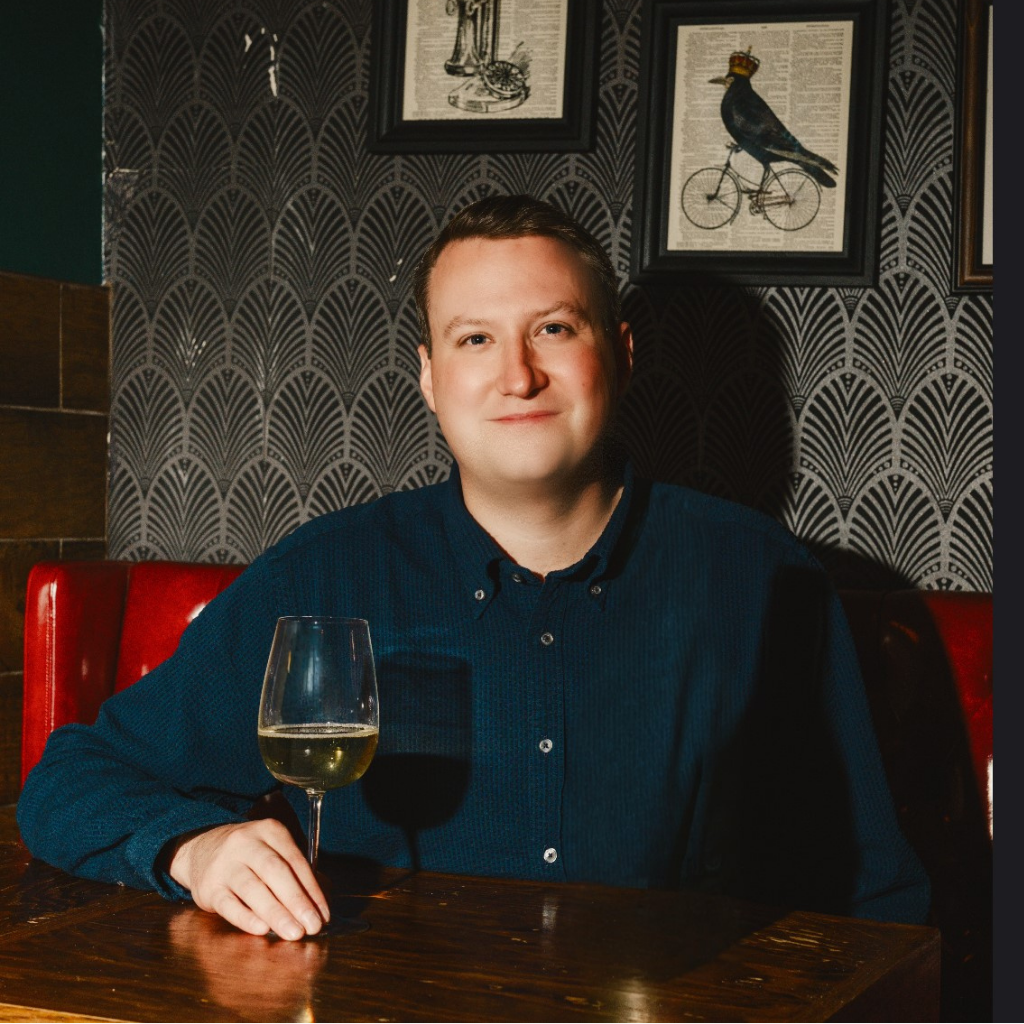
Before Lawrence Bremer, Founder of St. Buena Vida, settled on the grape that would become his brand’s debut wine, he flew to Düsseldorf for ProWein, the largest wine fair in the world, and tasted his way through more than 100 wines. He left with six finalists. Only one of them made it into a bottle.
He told me during our conversation that the search was never really about finding a good wine on its own. Plenty of what he tasted in Düsseldorf was good. It was about finding a wine that would still taste like something once the alcohol came out of it, a distinction that shaped every decision that followed.
Starting With the Grape, Not the Process
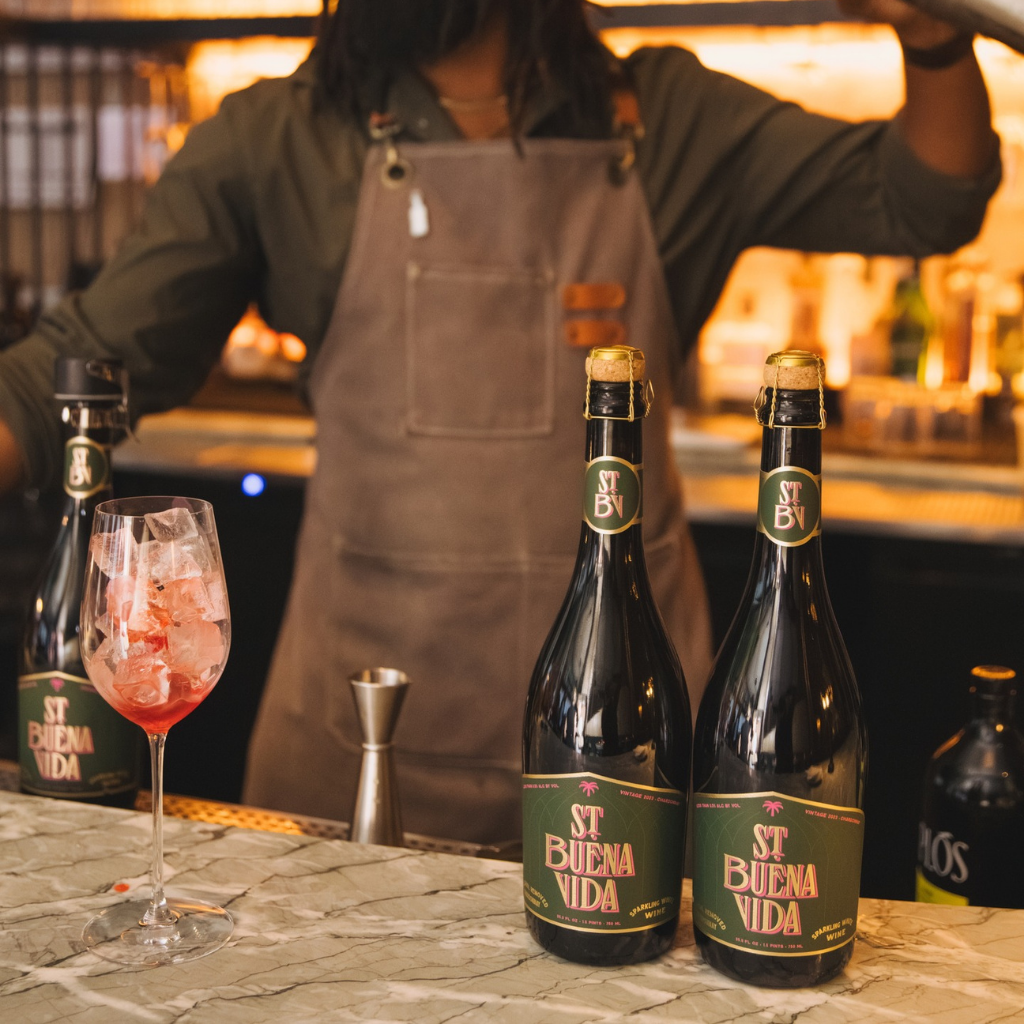
Bremer traces the problem back to how NA wine gets sourced in the first place. “I think historically, and even still today, you’re getting a bunch of blended bulk wine,” he told me. NA wine picked that way gets chosen for price and availability, not for how it performs once the alcohol is gone, which is exactly the opposite of what Bremer was looking for.
He was after something specific: highly aromatic, high acidity, organic, and structured enough to survive dealcoholization intact. “It had to start off as being very aromatic,” he explained. “There had to be lots of great aroma. It had to be a high-quality wine. It specifically had to be an organic wine. I feel very strongly about that.”
That search led him to a small, family-owned organic winery in Campo de Calatrava, in Spain’s La Mancha region. The winery had never made an NA wine before, but according to Bremer, they were curious and genuinely excited about the project. From there, he pushed the decision even further: rather than blending across vintages or vineyards for consistency and volume, he insisted on a single-vineyard, single-vintage Chardonnay. “I wanted to have a single vineyard wine,” he told me. “I wanted it to be a vintage, right? A single vintage wine.”
Getting the grape right was necessary. It wasn’t the whole answer. A wine that starts as leftover or blended bulk wine has never had much of a chance once the alcohol comes out, but a well-sourced grape doesn’t guarantee anything either. That’s only the first of two decisions Bremer had to get right.
Six Finalists, One Winner
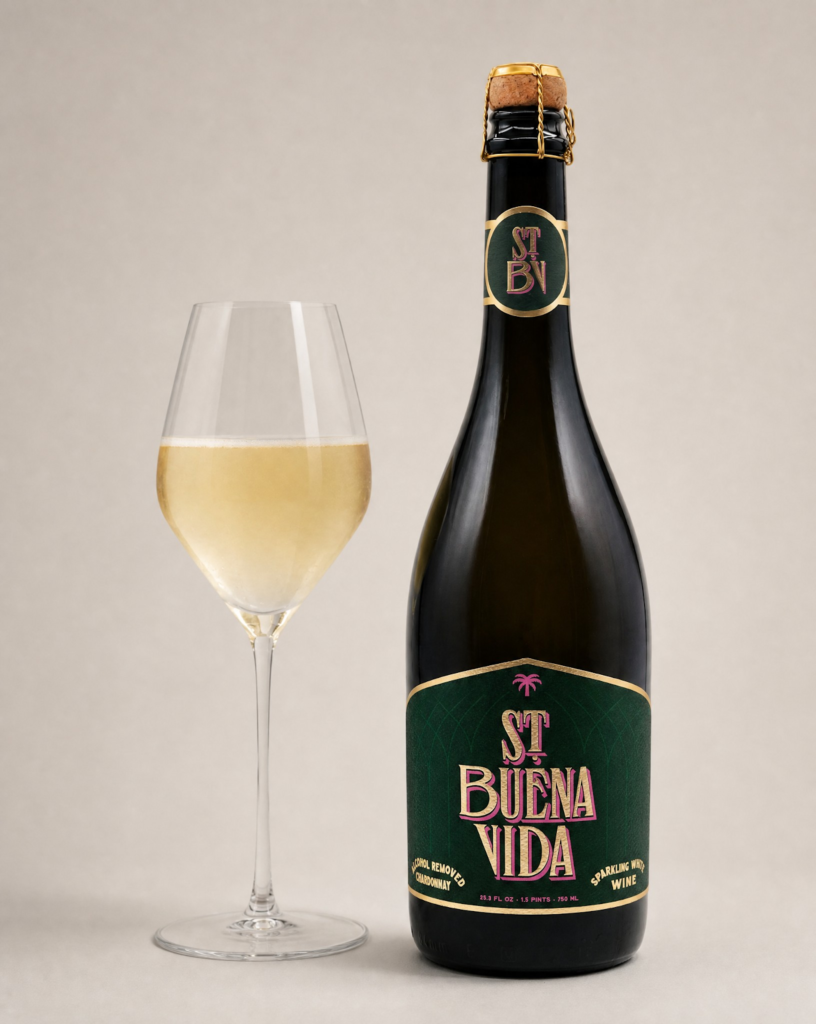
A wine that tastes exceptional at full strength doesn’t automatically translate once it’s dealcoholized. Aroma, acidity, and structure can behave unpredictably through the process, and there’s no reliable way to know in advance which base wine will hold up.
That’s why choosing a promising base wine was only half of Bremer’s process. He ran each of the six finalists through dealcoholization himself to see how it actually performed. “Now, I’ll take a step back and just say that we did go through a proper R&D process with those six wines,” he said. “You really don’t know how it works. You really don’t know until you actually dealcoholize it.”
The results weren’t uniform. Some base wines held onto their character better than others once the alcohol was gone; others lost what had made them promising in the first place. Bremer put it simply: the results varied, with real trade-offs between the finalists. Of the six, the Campo de Calatrava Chardonnay came out ahead, which is what put it on a path from a Spanish vineyard toward a US launch.
Chasing Aroma to Germany
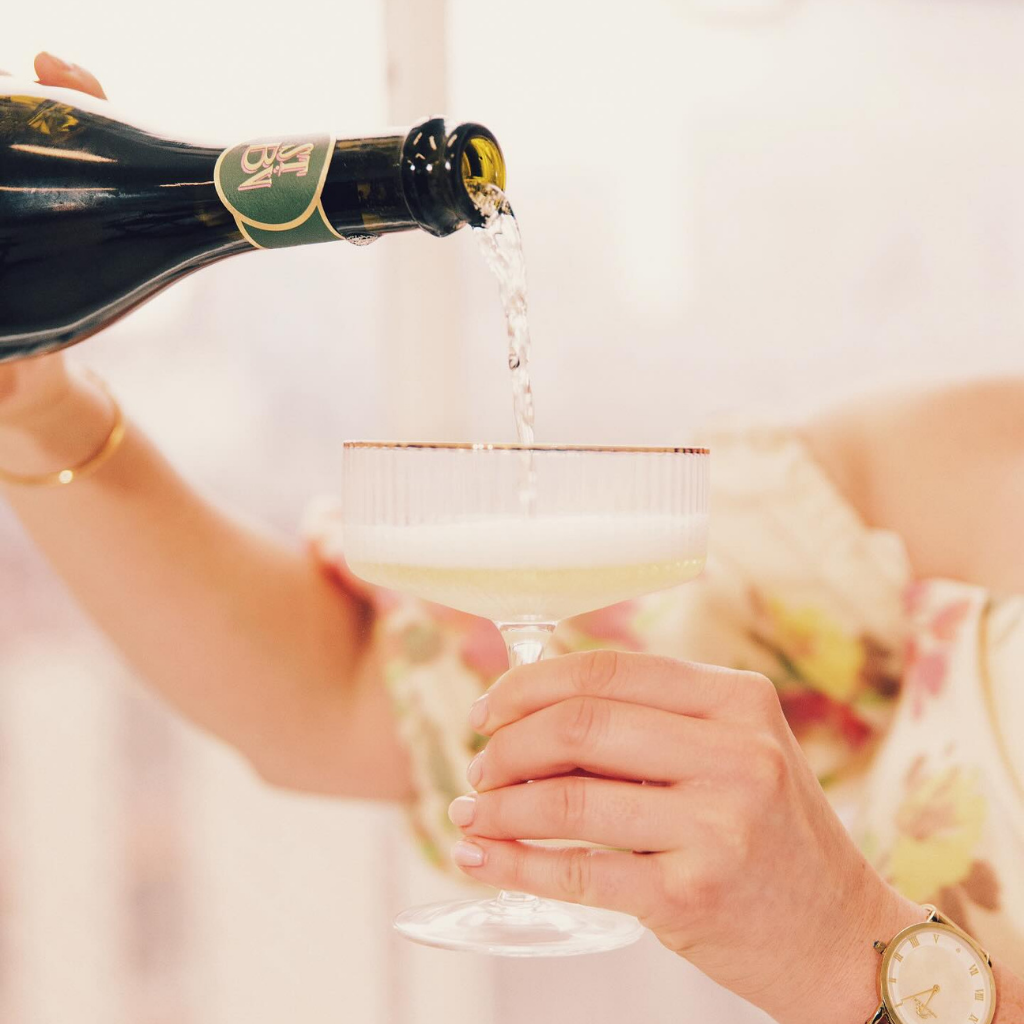
The grape was the first decision. The second was what happened to it once the alcohol came out.
During alcohol removal, many of the aroma compounds that give a wine its character get stripped out along with the ethanol, a technical trade-off Bremer has spoken about publicly. Solving for that was less about the grape and more about the process itself.
St. Buena Vida became one of the first US-based brands to use Solos, a newer aroma-capture technology that separates those aromatic compounds from the alcohol during dealcoholization and reintroduces them into the finished wine. At the time St. Buena Vida was in production, Solos was only operational in Germany, not yet in Spain, where the base wine came from, or in the US, where the brand would eventually launch. That meant shipping the finished wine from Spain to Germany just to complete the last step of production. Solos has since become available in both Spain and the US, which should simplify future production runs, though for this first release, the international detour was part of the cost of being early.
Earning a Spot on Wine Spectator Menus
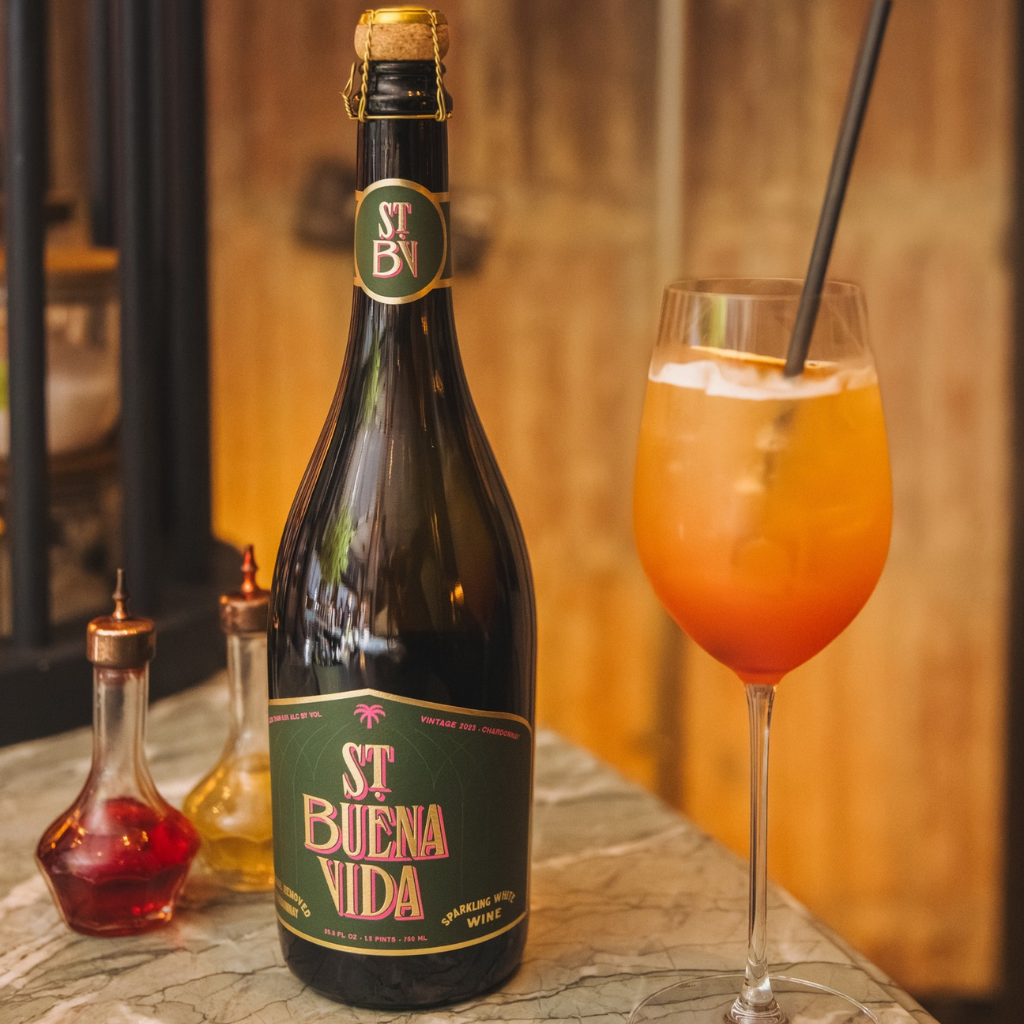
Getting the grape right, and then getting the technology right, is what let Bremer make the pitch that mattered most: getting St. Buena Vida onto wine lists that don’t usually make room for NA wine at all.
“The wines themselves are great now,” he told me. “We’ve gotten to a point where the wines are great, they’re on menu. We’re served at the Four Seasons Surfside, we’re served with the Ralph Brennan Restaurant Group. These are menus that are Wine Spectator Grand Award winners, like, real wine menus, and they are accepting non-alc wine.”
He’s careful to credit the shift to more than just his own bottle: “The brands, in my opinion, are the ones that are using the new aroma recovery technology.” Those are the ones investing in getting the dealcoholization process right, not just the label.
St. Buena Vida’s Chardonnay is what happens when a brand treats the grape and the dealcoholization process as two separate decisions, not one. Bremer spent months finding the base wine, then chased the technology needed to keep it recognizable once the alcohol came out, and the combination is what got this bottle onto wine lists that don’t typically make room for NA wine. That matters beyond this one bottle: every NA wine that earns a spot on a serious, general wine list makes the case a little easier for the next one trying to do the same. St. Buena Vida’s approach, treating sourcing and technology as equally serious decisions, is one version of what it takes to get there.

Marcos Salazar
Marcos Salazar is the CEO of the Adult Non-Alcoholic Beverage Association. Connect with him on LinkedIn.
The ANA Insider
News, Insights, Events, & Jobs for the Adult Non-Alcoholic Beverages Industry
Join our community of over 10,000 industry professionals receiving the exclusive newsletter from the Adult Non-Alcoholic Association (ANBA).
Each newsletter delivers:
- Insights data in the ANA beverage landscape
- A round up the most important news and headlines
- Breaking news from ANBA members and new product launches
- Business webinars, industry events, and jobs at leading ANA companies