
Rationale Is Building Its Growth Strategy Around the Entire Beer Supply Chain, Not Just the Shelf
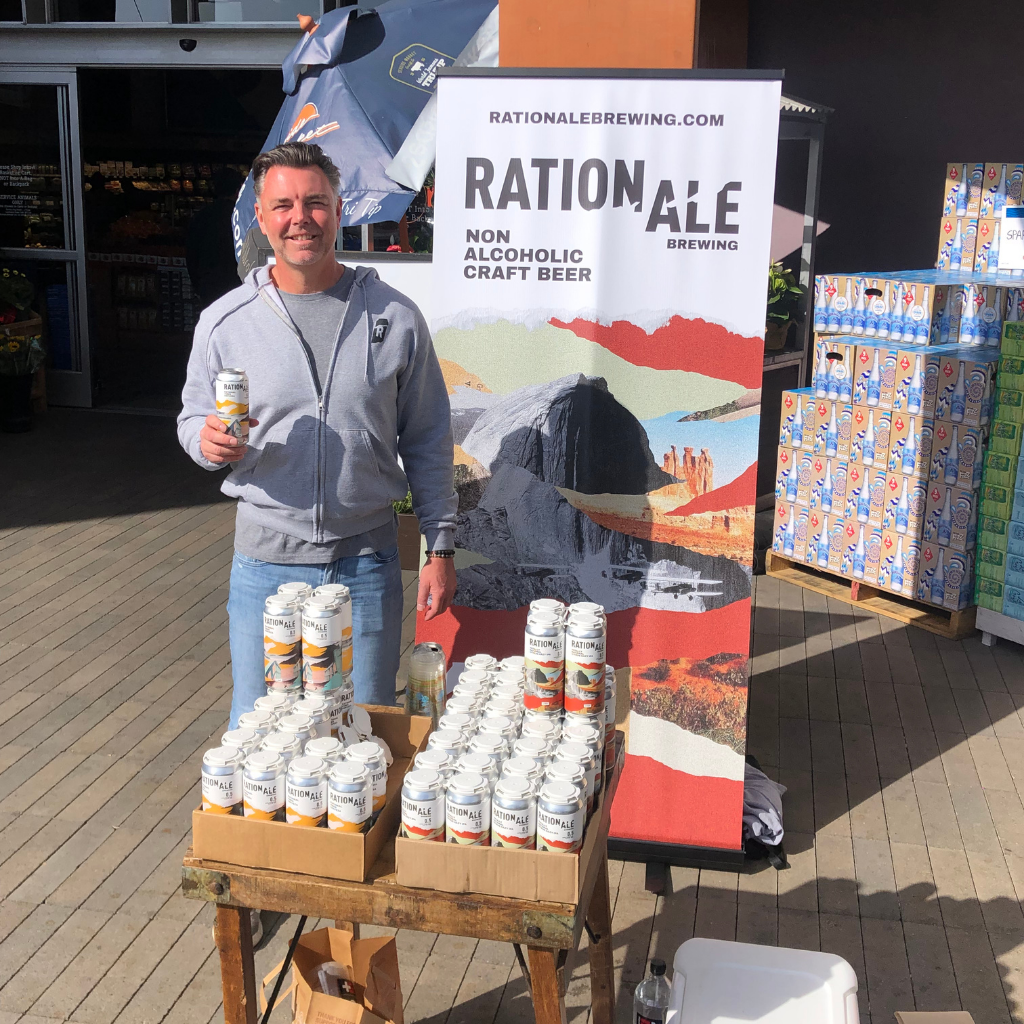
A can of beer moves through a lot of hands before it reaches a consumer’s fridge: a brewing partner, a wholesaler, a retailer, each with their own incentives. Most of the real work in building an ANA brand happens in that space, long before anyone opens a can. Rationale built its growth strategy around the entire chain, treating every partner along the way as worth investing in, not just the person who eventually pulls the can off the shelf.
Jamie Fay, Founder and CEO of Rationale, told me during our conversation that the instinct to focus almost entirely on the end consumer is a natural one for a beverage brand. A can of beer, after all, is judged the moment someone opens it. But Rationale’s approach treats that moment as the last step in a much longer chain, one where every partner along the way has their own incentives, their own constraints, and their own reasons to either work hard for a brand or not.
Velocity Starts Before the Shelf
Ask most people what drives velocity and they’ll point to the consumer: does the product taste good, does it get repurchased, does it move. Fay’s answer went somewhere else first. “The amount of time that we focus on our customer centricity” is only part of it, he explained – the rest is “the brewery brewing partnership we have, to the quality of the beer, to the supply chain that gets the product to our beer wholesalers, to ensuring we have the strongest beer wholesaler relationships.”
In other words, velocity isn’t something that happens at the shelf. It’s the outcome of everything that happened before the shelf. That’s why Rationale’s investment starts with the partners the consumer never sees.
The Wholesaler Relationship as an Investment

Before a consumer ever sees a can, it has to move through a wholesaler’s warehouse and delivery routes – and the condition it arrives in matters. Rationale maintains close attention to product codes with its beer wholesalers, and when Fay’s team spots inventory that’s aged past its freshest window, they don’t wait for it to sell through. “We’ll buy the product off the shelf so the new order can come in,” he told me. It’s a small, expensive habit. It’s also a signal to wholesalers that Rationale treats their shared product as something worth protecting, not just moving.
That same logic extends to how Rationale frames its pitch to distribution partners in the first place. Rather than positioning itself as one more SKU competing for space, the company leans into a portfolio strategy aimed at building the category’s overall footprint. “It’s not about us gaining market share,” Fay said. “It’s about us helping build the category market share up.”
Retail Partnership Through Data, Not Just a Sales Pitch
Retailers face their own version of this problem: shelf space is finite, and every ANA brand asking for placement is, in some sense, asking a retailer to bet on a still-maturing category. Rationale’s approach to that conversation leads with category thought leadership instead of a pitch for the next hot SKU. “It’s about us going in and showing the data, the analytics behind the category, our role and how we can drive the category, and any benefits we can help provide to that retailer to help them compete,” Fay explained.
That reframing changes what the retailer is actually being asked to do. Instead of taking a bet on one more product, they’re being handed information that helps them compete against other retailers in their own market – with Rationale’s product as part of the case, not the whole of it.
Brewing Partner as Team, Not Vendor
The chain starts even earlier than distribution. Rationale brews in partnership with Asahi, and Fay described the relationship in terms that go beyond a standard contract manufacturing arrangement. “We don’t have a brewmaster. We have a brewing master team of brewers that are part of the breweries that we look at as our own team members,” he said. The company frames shared risk as part of the deal: “We take risks, they take risks.” Some of that comes down to plain consideration, too – Fay said they try to stay efficient in everything they ask of the brewing team “because we know they’re busy,” a detail that has less to do with strategy than with just being a decent partner. A batch of Rationale beer, in Fay’s framing, is just as much the brewery’s batch as it is Rationale’s.
Choosing Depth Over National Speed
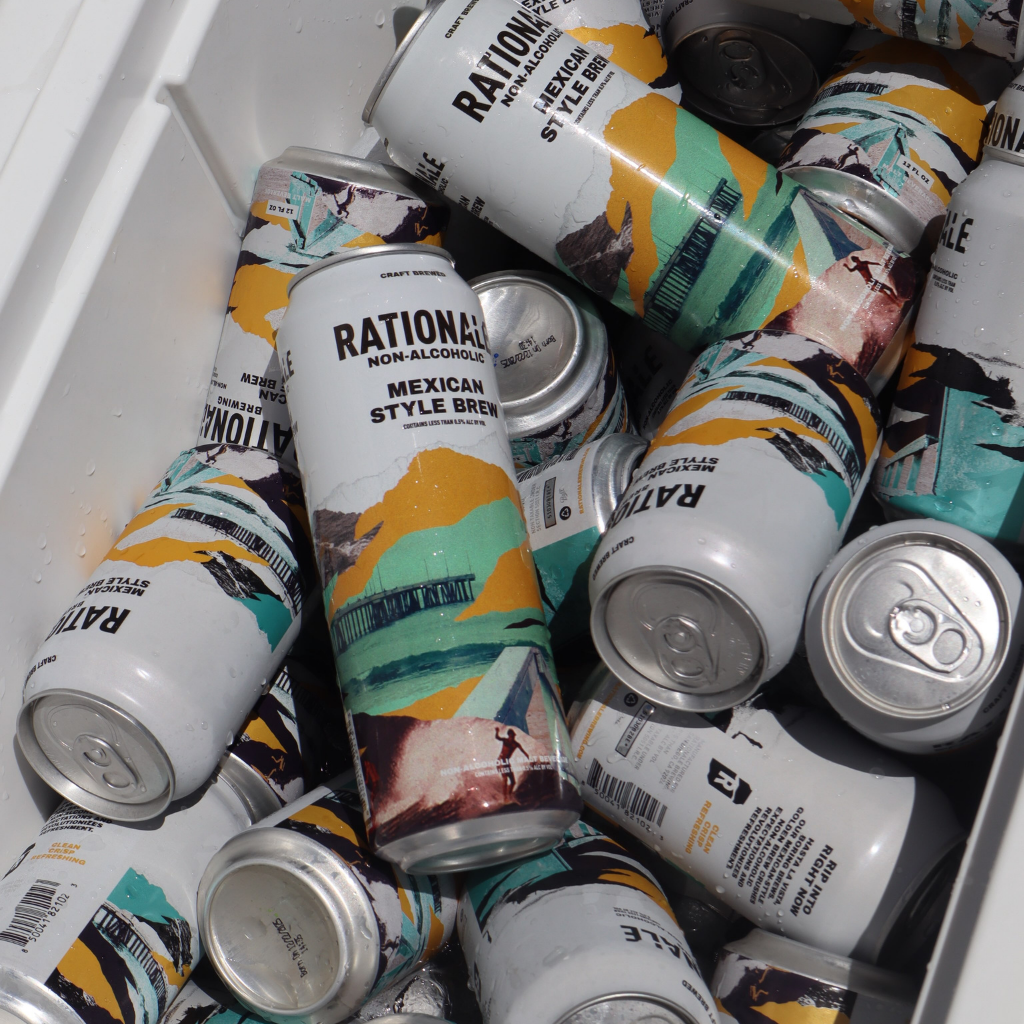
None of this whole-chain investment is cheap, and it isn’t fast. Fay was direct about the tradeoff: building this kind of value across a supply chain requires working capital, and it requires scaling in a way that’s sustainable rather than rushed. Rationale’s response has been to grow regionally rather than nationally, leaning into markets that show traction before entering new ones. California, the company’s first market, still represents close to 40 percent of total sales – and Fay says there’s still meaningful distribution opportunity left untapped there. Depth, in other words, isn’t a consolation prize for slower growth. It’s the point.
What the Category Can Take From This
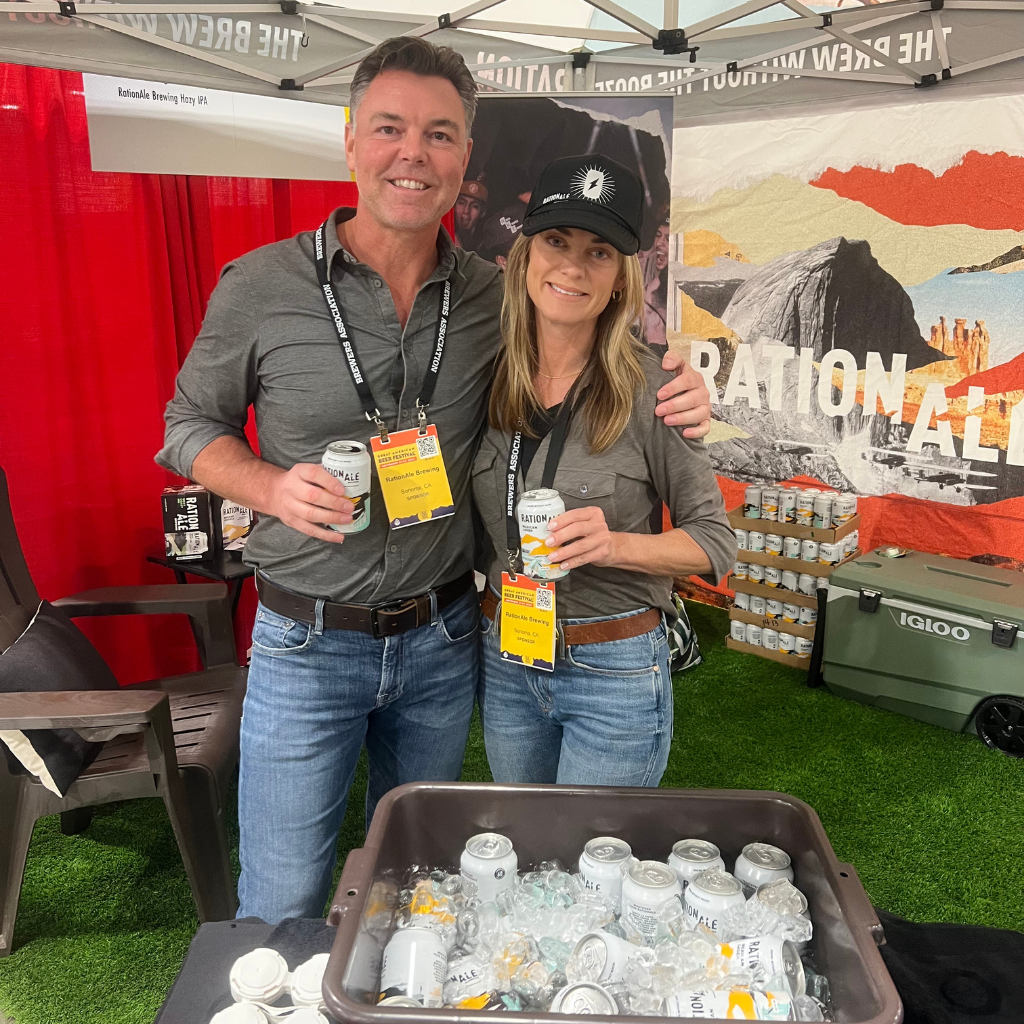
Every one of these decisions – buying back aging inventory, leading retail conversations with data instead of a pitch, treating a contract brewer like an internal team – costs something in the short term. What they buy in return is a beer that consumers keep coming back to, the kind of product that gets shared with a friend without being asked. As Fay put it, describing what happens when a brand actually delivers on every part of that chain: you want a beer that’s cold, tasty, and fresh, and that kind of loyalty can’t be bought. It has to be earned.
That’s the case Rationale’s growth strategy makes for the ANA category more broadly. A brand’s relationship with its consumer doesn’t start and end at the point of purchase. It’s built, batch by batch and delivery by delivery, through every partner willing to invest in getting a fresh product into someone’s hands – and Rationale’s bet is that the brands willing to do that work at every link will be the ones the category remembers as it matures.

Marcos Salazar
Marcos Salazar is the CEO of the Adult Non-Alcoholic Beverage Association. Connect with him on LinkedIn.
The ANA Insider
News, Insights, Events, & Jobs for the Adult Non-Alcoholic Beverages Industry
Join our community of over 10,000 industry professionals receiving the exclusive newsletter from the Adult Non-Alcoholic Association (ANBA).
Each newsletter delivers:
- Insights data in the ANA beverage landscape
- A round up the most important news and headlines
- Breaking news from ANBA members and new product launches
- Business webinars, industry events, and jobs at leading ANA companies