
Great Non-Alcoholic Wine Doesn't Start in the Facility. It Begins in the Vineyard.
For years, non-alcoholic wine had a reputation problem — and it earned it. Because brands used low-quality wine as their base, the dealcoholization process didn’t hide the flaws. It exposed them. The consumer stigma that followed gave non-alcoholic wine a negative reputation — one the category is still actively working to overcome.
The root cause was simpler than most people realized: it started with the wrong grapes. Producers were treating non-alcoholic wine as an afterthought — a place to dump wine they couldn’t sell rather than a product worth building from the ground up. The brands producing great tasting non-alcoholic wine today have figured out that grape quality is the foundation everything else is built on — and that question has to be answered before a single grape is picked.
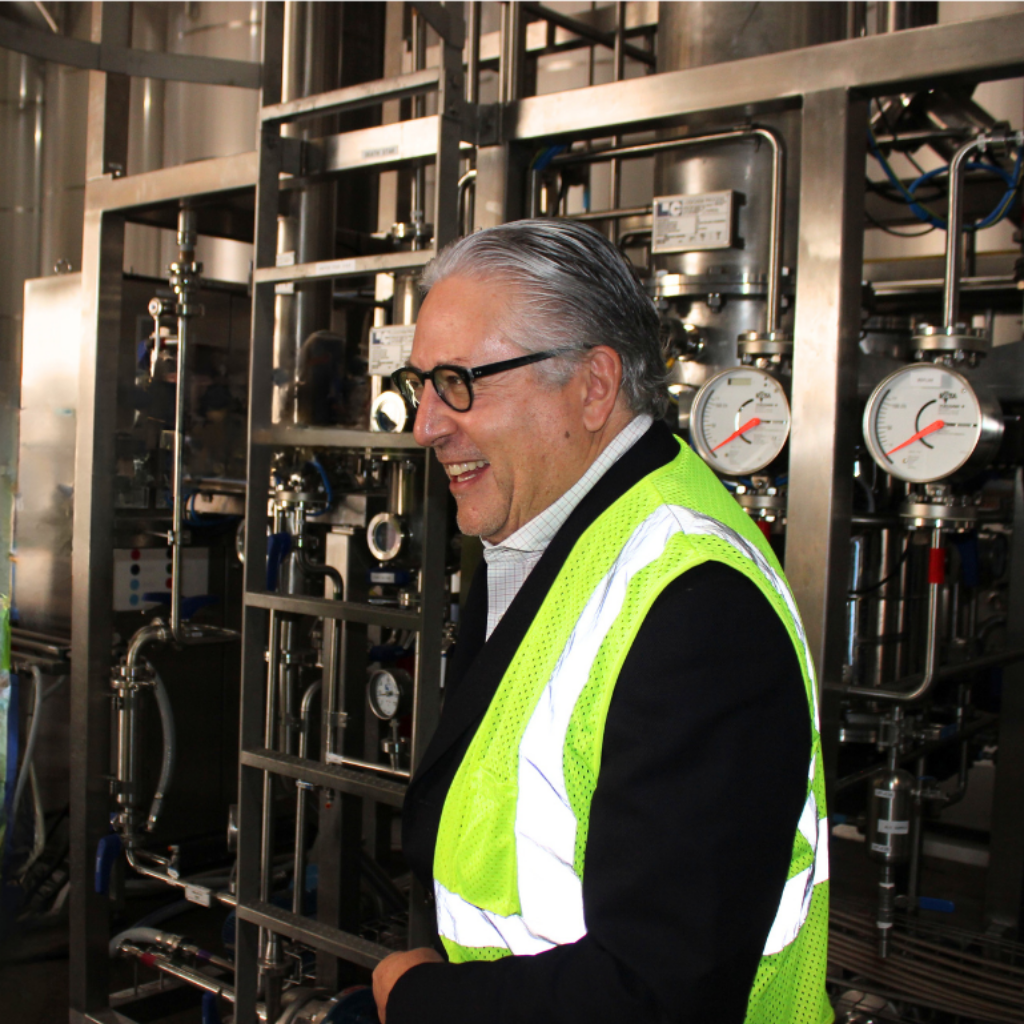
Jerome Eckert-Nathan, President & CEO of BevZero, has had a front-row seat to this shift. BevZero has been the infrastructure behind some of the most important non-alcoholic wines in the ANA category for over 30 years — working with brands across the U.S., Europe, and South Africa to dealcoholize wine at commercial scale. What Jerome told me during our conversation wasn’t a technology story. It was a philosophy story. And the philosophy is simple: you can’t polish something that was never good to begin with.
When the Category Learned the Hard Way
The early days of non-alcoholic wine weren’t pretty. Producers would look at a batch of wine they couldn’t sell and see an opportunity. “If you had a batch of questionable wine that you had trouble selling, you would dealcoholize it,” Jerome explained. “Typically, the wine went from questionable to horrible.”
The problem was the assumption behind it — that dealcoholization could compensate for a weak base product. It couldn’t. Removing alcohol from wine concentrates everything that’s already there: the acidity, the tannins, the structural imbalances. A flawed wine going in produces a more flawed wine coming out. And when producers tried to mask the resulting flatness by loading in grape concentrate, they ended up with wines that were cloying, one-dimensional, and nothing like the experience consumers were hoping for.
“We always assumed that the non-alcoholic was cheap and bad,” Jerome told me. For a long stretch of time, that assumption was largely accurate — and the stigma it created followed the category for years.
Quality In, Quality Out: Why the Starting Point Is Everything
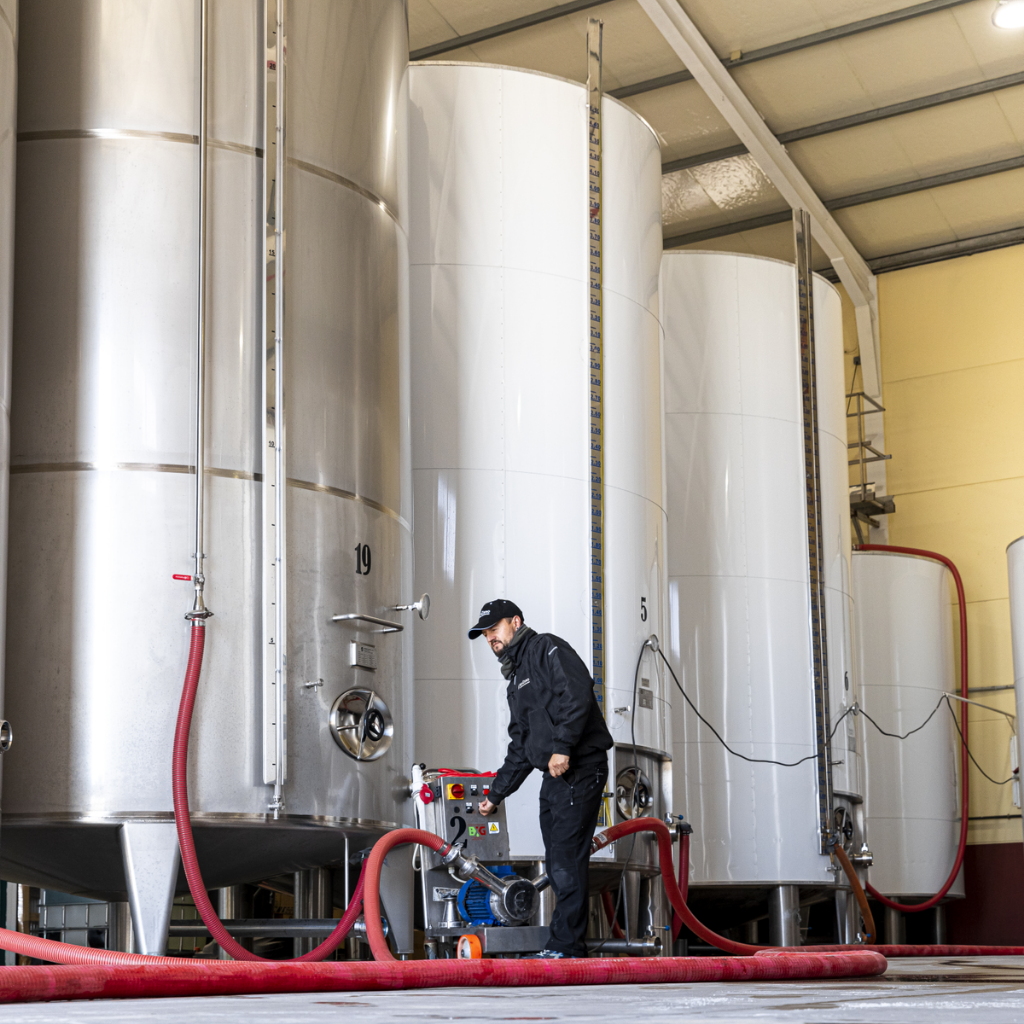
What BevZero has spent the last decade doing — and what Jerome describes as the most important shift in the category — is working backward from the finished product. The conversation with clients no longer starts at the dealcoholization stage. It starts well before that.
“We are able to assist them with what are the key characteristics of the ideal wine to be dealcoholized,” Jerome told me. “Whether it’s pH, color, varietal — there are a number of parameters we recommend. If you meet those parameters, you have a better chance to make a good non-alcoholic wine.”
That guidance has gotten progressively more specific as BevZero’s understanding of how dealcoholization affects different wines has deepened. The company employs a team of winemakers, enologists, chemists, and food scientists who have worked through enough batches — across enough varietals, regions, and production conditions — to know exactly what the process does to a wine’s structure, and what inputs give you the best chance at a great output.
What Dealcoholization Actually Does to a Wine
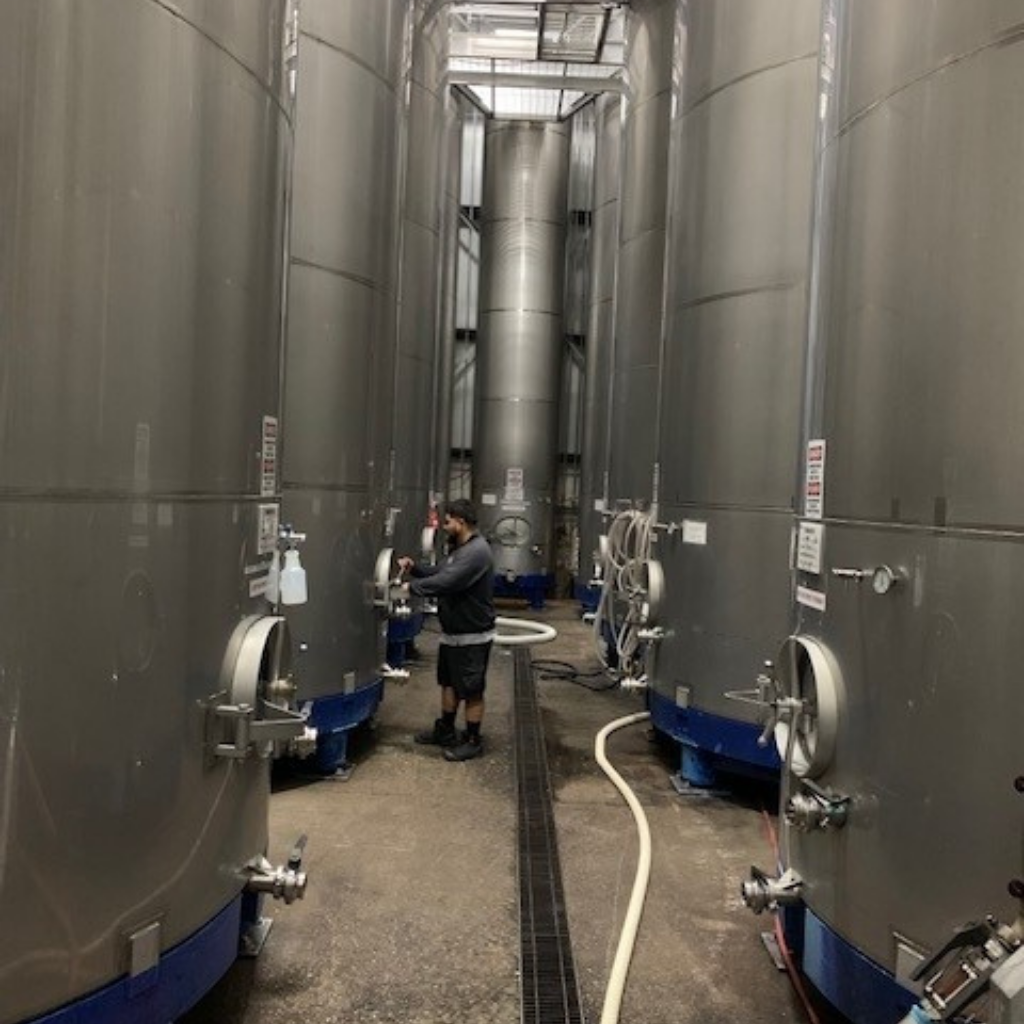
To understand why the starting point matters so much, it helps to understand what the dealcoholization process is actually doing.
BevZero uses low-temperature vacuum distillation — a method that removes alcohol by reducing the pressure inside a distillation chamber, which lowers alcohol’s boiling point and allows it to be extracted gently, without the heat damage that would strip away the wine’s delicate aromas and flavor compounds. The liquid is separated into multiple streams during the process: the base non-alcoholic wine, the extracted alcohol, and — critically — the concentrated aromatic essences that give the wine its character.
Those aromas can be captured and reintroduced into the finished product, which is one of the key reasons modern non-alcoholic wines retain more of their original complexity than early-generation products did. But the process still creates structural changes that no amount of post-process work can fully undo.
“When you dealcoholize wine, removing the alcohol, you’re going to remove body and sweetness,” Jerome explained. “Those are the two big things that all of a sudden you’re missing.”
The response to that challenge has evolved significantly. Early producers simply added grape concentrate to restore sweetness — a shortcut that worked in some markets but produced wines that read as cloying and one-dimensional to more discerning palates. Today, BevZero works with clients to find balance through the quality of the base wine itself, the precision of the dealcoholization process, and careful post-process formulation — including, where appropriate, the reintroduction of the aromas captured during dealcoholization.
The results vary by market. In the U.S., where consumer preference skews dry, BevZero is producing non-alcoholic wines with sugar levels as low as 8 to 12 grams per liter — lean enough to function as a genuinely wine-like experience. In Europe, where palates have historically been more comfortable with some residual sweetness, the current sweet spot sits closer to 20 grams per liter. These aren’t compromises. They’re deliberate formulation choices, made possible by starting with wine that was worth the effort.
From the Winery to the Vineyard
The most compelling signal of how far the quality-first philosophy has traveled is where some of BevZero’s most advanced clients are now making decisions.
“Now we’re getting to the point where we have some customers who actually work directly in the vineyard,” Jerome shared. “They not only choose the varietals, but they choose when to harvest. Because they understand the effect of dealcoholization, and they know exactly the profile of the finished product they want — so they can work through the whole production process to create the best possible non-alcoholic wine.”
That kind of upstream thinking would have seemed unusual not long ago. A winemaker designing a harvest around a non-alcoholic wine is treating it as a serious craft category — not a byproduct or an afterthought. It requires a different mindset, a longer planning horizon, and a willingness to absorb higher production costs. Jerome acknowledges that directly: “This is obviously more expensive. But as the market matures and there is more price segmentation based on quality, those approaches become economically viable.”
That maturation is already underway — and it’s visible not just in the products on shelves, but in who is now producing them.
The Client Shift That Signals Category Maturity
When BevZero’s earliest clients came in, they were largely brand marketers and startups — people who knew how to build a label and tell a story, and needed a production partner to fill the bottle. The play was straightforward: build a new non-alcoholic wine brand, get some traction, and sell it to one of the large players.
That client profile still exists. But Jerome described a significant shift in who BevZero is now hearing from. “Today, we have well-established companies — frankly, all the big wine companies are playing in the zero space,” he told me. “They started by doing a standalone non-alc brand. But as the market has evolved, now we’re talking about line extensions on their existing brands.”
That distinction matters enormously for the category. A startup building a new non-alcoholic wine label is asking consumers to discover something unfamiliar. An established wine brand launching a non-alcoholic line extension is giving its existing consumers — people who already trust that label — a version of what they already buy. The quality expectation is already set. The pricing reference point already exists.
“If a consumer is used to paying $12.99 for XYZ brand of Chardonnay, and they see a zero Chardonnay at $12.99 under the same brand, they’re not going to blink,” Jerome explained. “Their expectations are going to be well-defined.” And those brands have every reason to protect those expectations — because a non-alcoholic wine that disappoints is a brand problem, not just a category problem.
Jerome also noted that between 80 and 90 percent of non-alcoholic wine consumers are also traditional wine drinkers. That’s an audience with a calibrated palate and real expectations. The fact that established wine brands are now staking their names on non-alcoholic line extensions is, in part, a signal that the technology and the quality philosophy behind it have advanced enough to support that bet.
Building the Technical Floor the Category Needs
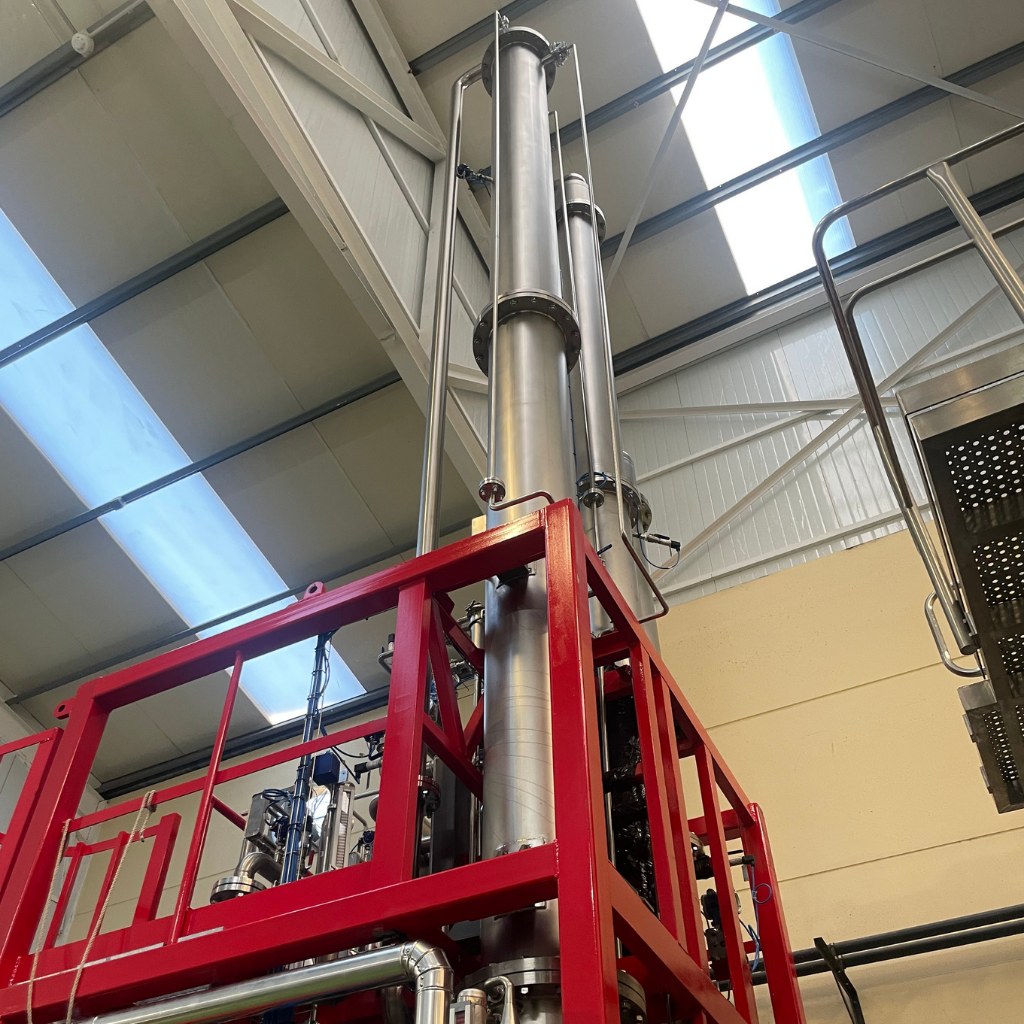
BevZero’s value to the ANA category goes beyond any individual client engagement. “We can literally take the customer from the vineyard to the pallet of finished product — and anything in between,” Jerome told me. Sourcing the wine, dealcoholizing it, formulating it, packaging it. Or, for brands that simply need bulk dealcoholization, sending a truck and shipping one back. The range of what BevZero can do under one roof is, as Jerome put it, “pretty unique in the industry.”
That full-stack capability is backed by ongoing R&D — internally and in partnership with universities — on everything from aroma retention and stabilization science to the chemistry of what makes a wine dealcoholize well. Jerome described the current moment as “a race to quality” and one he thinks is accelerating. The goal, as he put it, is to stay “at the leading edge of the non-alcoholic winemaking process” — and then bring clients with them.
An industry partner with over 30 years of dealcoholization expertise, three global production facilities, a team of winemakers and scientists on staff, and an active R&D program isn’t just serving individual brands. It’s helping build the technical foundation the non-alcoholic wine category needs to keep improving.
“There is a race to quality,” Jerome told me, “and I think that race is accelerating. And the technology is part of the solution.”
The quality ceiling for non-alcoholic wine is still rising. The brands that understand that — and start making decisions at the vineyard level, with the finished product in mind from the very beginning — are the ones best positioned to lead as the category continues to grow.
BevZero is an Industry Member of the Adult Non-Alcoholic Beverage Association. Learn more at bevzero.com.

Marcos Salazar
Marcos Salazar is the CEO of the Adult Non-Alcoholic Beverage Association. Connect with him on LinkedIn.
The ANA Insider
News, Insights, Events, & Jobs for the Adult Non-Alcoholic Beverages Industry
Join our community of over 10,000 industry professionals receiving the exclusive newsletter from the Adult Non-Alcoholic Association (ANBA).
Each newsletter delivers:
- Insights data in the ANA beverage landscape
- A round up the most important news and headlines
- Breaking news from ANBA members and new product launches
- Business webinars, industry events, and jobs at leading ANA companies