
Sobar Built a System to Give Every Bar and Restaurant the Confidence to Say Yes to ANA
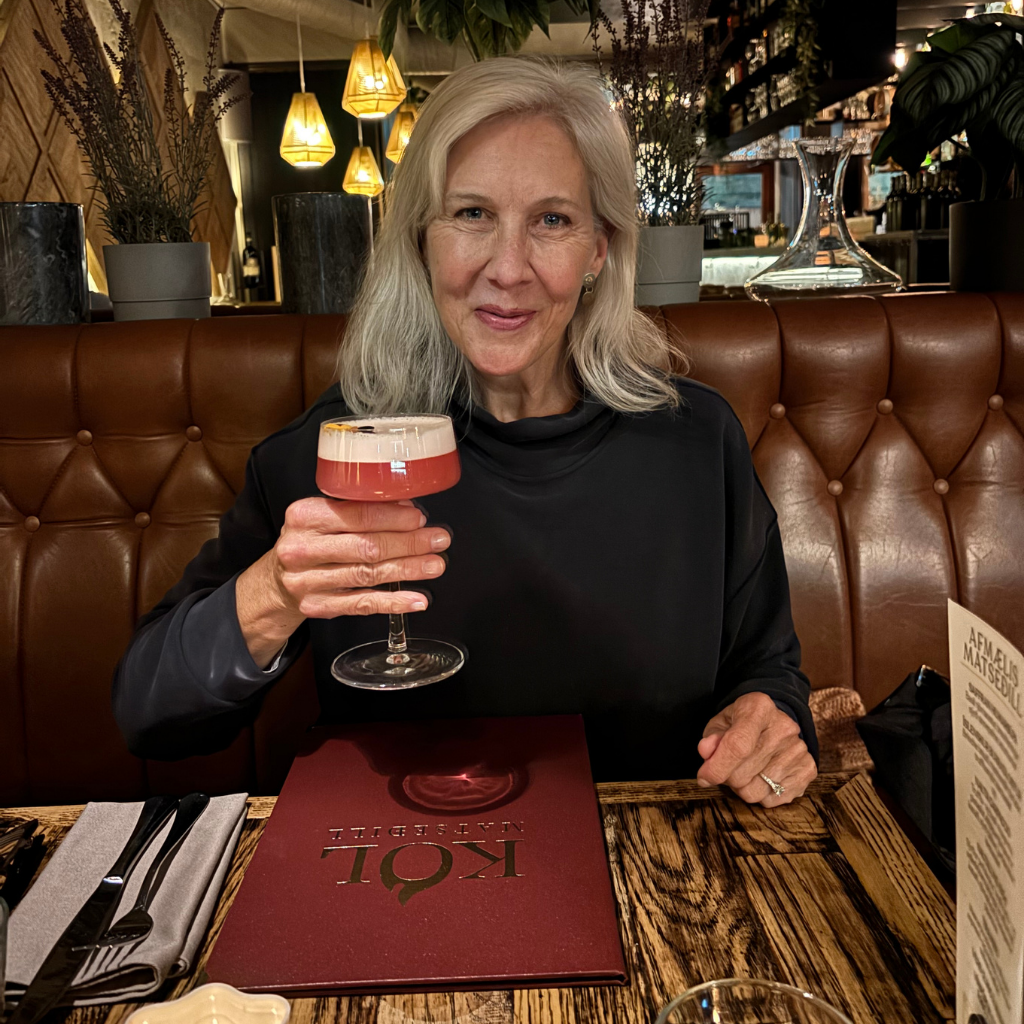
Most bars and restaurants that want to add ANA beverages to their menu don’t have a product problem. They have a confidence problem. They don’t know what to carry, how to serve it safely, or how to make sure guests even know it exists.
That’s the gap Beth Harbinson, Founder of Sobar, has spent the last several years building toward — not by running ANA bar service herself, but by giving the existing food and beverage industry everything it needs to get there on its own.
The result is Sobar Secure, a comprehensive venue enablement program that walks bars, restaurants, and event venues through every piece of building a confident ANA beverage program: what to carry, how to train staff, how to build the menu, and how to make sure the guests who want ANA options can actually find them.
The Moment She Stopped Pushing the Rock Uphill
Sobar started in 2017 as an off-premise ANA bar service — showing up at festivals and events to serve non-alcoholic cocktails to guests who had nowhere else to turn. Beth, who has been in recovery from alcoholism for over 20 years, knew the problem firsthand. She’d sat at a VIP bar at a major outdoor concert venue and been told her options were water, soda, or Red Bull.
For several years, Sobar filled that gap directly. But at a certain point, Beth told me during our conversation, it became clear that showing up to pour drinks wasn’t the leverage point. The leverage point was the tens of thousands of bars and restaurants already serving guests every day — most of whom wanted to do right by their non-drinking customers but had no idea where to start.
“I was pushing the rock uphill,” she said. “Part of what we needed to do was think about having the existing providers, existing venues, bars and restaurants build their own non-alcoholic beverage program.”
So she stopped trying to be the answer herself. Instead, she built the system that would help everyone else become one.
What Sobar Secure Actually Gives a Venue
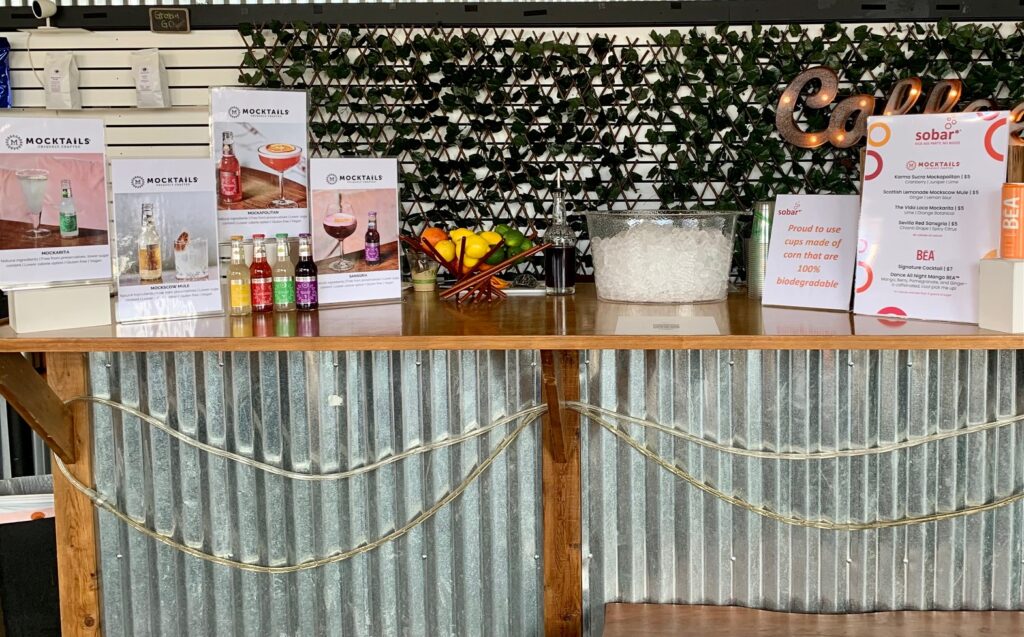
The program is structured around five components that address the full arc of a venue’s journey from curious to confident.
The first is product sourcing. One of the most common questions Beth hears from new restaurant clients is simple: where do you get the good stuff? To build the answer, she partnered with three industry experts — Laura Silverman of Zero Proof Nation, mixologist Pam Wisnitzker out of New York City, and Rachel Heckman, who launched the Sober in Central Park program — each bringing a different layer of category knowledge. Together, they put together a curated product guide, updated quarterly, that connects venues with wholesalers and distributors carrying ANA products that have earned a place on a serious menu.
Critically, Sobar takes no revenue from manufacturers for those recommendations. As a nonprofit, it can make product guidance based purely on quality — which, in a category still building its credibility with skeptical buyers, carries real weight.
The second component is training and certification. Beth and her team developed a video-based training program — modeled on the ServeSafe approach used across the food service industry — that teaches bar and restaurant staff how to safely prepare and serve ANA beverages. The program includes a short video and a 10-question certification exam that staff can complete and retake as needed. When a venue signs up, they receive an immediate link they can send to their entire team, or share with new hires as part of onboarding. The whole thing takes under 20 minutes.
The third is menu development support. Sobar’s 50-page guide for bars and restaurants covers mixology, flavor profiles, dilution, safe service protocols, and practical guidance on how to build and display an ANA beverage menu. High-end venues experimenting with scratch-made ANA cocktails use it differently than a neighborhood restaurant adding a few RTD options — and that flexibility is intentional.
Fourth is consumer visibility. Getting ANA products on the menu is only part of the equation. If guests don’t know those options exist, the menu doesn’t move. Sobar Secure connects participating venues to the Better Without app, where consumers can search by zip code to find restaurants and bars serving ANA beverages — turning certified venues into discoverable destinations for a growing audience actively looking for them.
The fifth component is branding and operational tools: Sobar Secure accreditation logos, swizzle sticks, and signage that signal to guests that this venue takes ANA service seriously.
The program starts at $250 for up to 15 staff certifications.
What It Looks Like in Practice
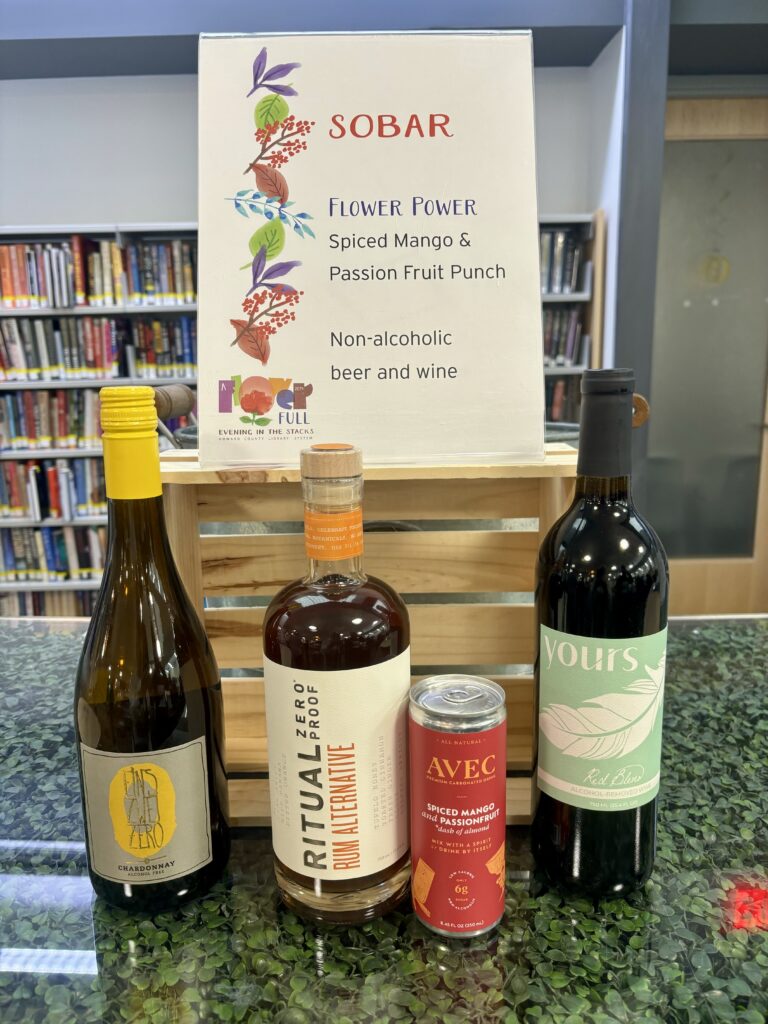
The range of venues coming through Sobar Secure reflects just how broad the opportunity is in the ANA category.
One recent client was a small family-owned Mexican restaurant with eight servers. Beth met with the owner, learned the menu, and helped him identify a starting point that wasn’t overwhelming: a couple of tequila-based ANA spirits for house margaritas, a wine suitable for sangria, and a Mexican-style ANA beer. Focused. On-brand. Achievable.
Three months in, their ANA beverage sales were up 45%. The program paid for itself in the first 30 days.
“They now have these options,” she told me. “And now they’re looking at how they can expand the menu to have more.”
On the other end of the spectrum, Beth is working with a near-Michelin-starred restaurant in her area whose approach is entirely different — no ready-to-drink products anywhere on the menu. Their bartenders and F&B managers are working through the Sobar guide, experimenting with teas and specialty ingredients, and carrying premium ANA wines — including Isabelle by Mondavi and St. Vivian — alongside ANA sparkling options. Their goal is parity: the same depth and intentionality on the ANA side of the menu as on the alcohol side.
“We’re looking at their menu, trying to help them pair, and have non-alcoholic beverages that are on par with their alcohol beverages,” Beth said.
That range — from a $250 program for a neighborhood restaurant to a consultative relationship with a fine dining kitchen — is part of what makes Sobar Secure’s model work for the category. It meets venues where they are.
Building the Infrastructure the Category Needs
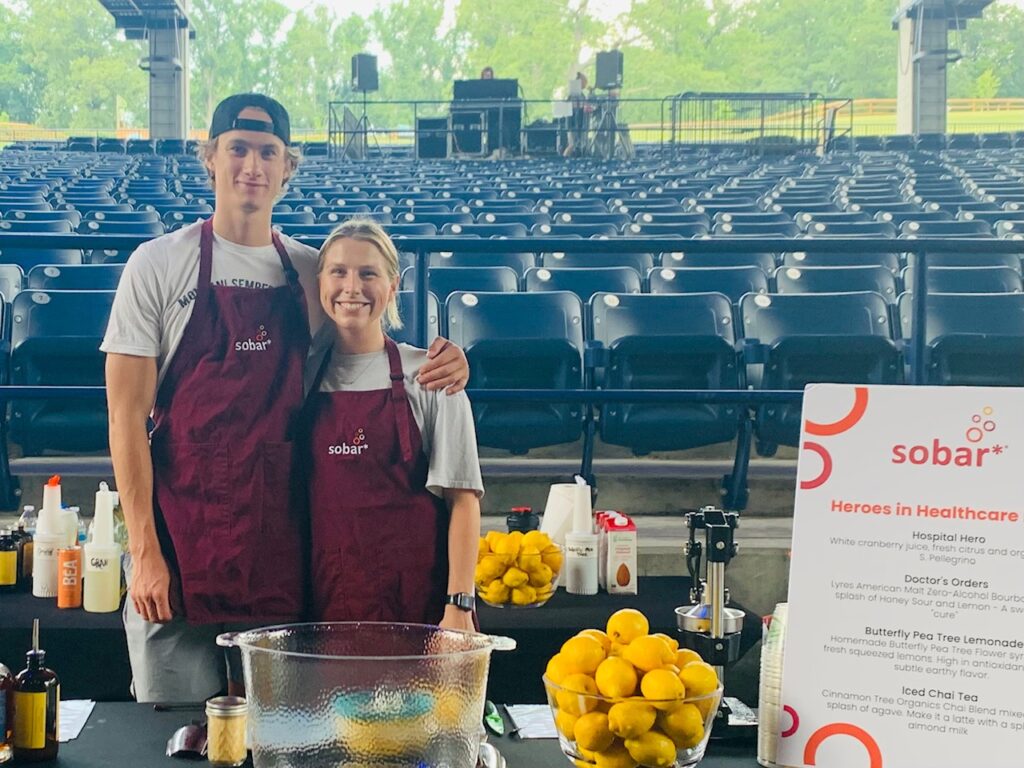
One of the persistent friction points Beth encounters is distribution. Restaurants are wary of complicating their existing supplier relationships. When a new product category requires establishing accounts with unfamiliar wholesalers, many venues simply opt out.
Sobar Secure addresses this directly — working with venues to identify distributors in their area already carrying strong ANA products, and making the account setup process as straightforward as possible. “In 5 years, this is not going to be an issue,” Beth told me. “The distributors locally are going to be carrying as much nonalcoholic as alcoholic.”
She may be right sooner than that. Food service distributors are already entering the space, not just alcohol distributors. The supply side is catching up. But right now, Sobar is doing the connective tissue work — linking venues to the right sourcing partners while that broader infrastructure builds out.
What Sobar has recognized is something the ANA category still needs more of: an honest intermediary. A mission-driven organization with no financial stake in which products a venue carries, whose only job is to help venues do this well. That kind of credibility is hard to manufacture — and harder to replace.
What This Unlocks for the Category
The on-premise channel has always been one of the most powerful trial engines in the beverage industry. When a guest orders an ANA beer at a restaurant they trust, or tries an ANA cocktail at a bar they love, and it’s genuinely good — that’s a moment of conversion that no amount of shelf placement or social media advertising can replicate.
Sobar Secure is building the conditions for those moments to happen at scale. Every restaurant that completes the program adds trained staff, a thoughtful menu, and visible ANA options to a venue that previously offered none — becoming a destination for the growing number of consumers actively seeking ANA options when they go out.
“I really do love that we finally are working with ANBA, because the manufacturers are frontline in this movement,” Beth told me. “I love seeing the proliferation of fabulous products out there.”
The products are there. The consumers are there. What’s been missing is the system that helps the venues in between get ready to serve them — confidently, competently, and with the same care they bring to everything else on the menu. That’s what Sobar is building.
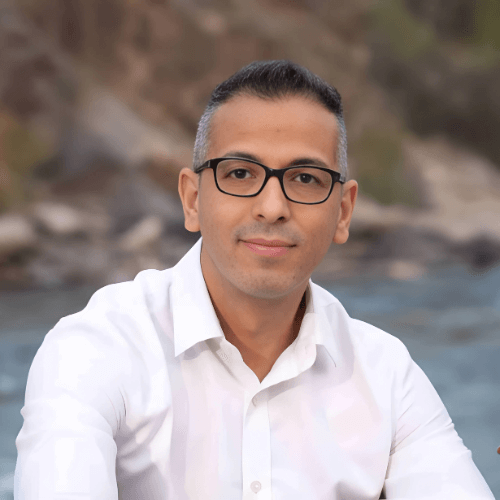
Marcos Salazar
Marcos Salazar is the CEO of the Adult Non-Alcoholic Beverage Association. Connect with him on LinkedIn.
The ANA Insider
News, Insights, Events, & Jobs for the Adult Non-Alcoholic Beverages Industry
Join our community of over 10,000 industry professionals receiving the exclusive newsletter from the Adult Non-Alcoholic Association (ANBA).
Each newsletter delivers:
- Insights data in the ANA beverage landscape
- A round up the most important news and headlines
- Breaking news from ANBA members and new product launches
- Business webinars, industry events, and jobs at leading ANA companies